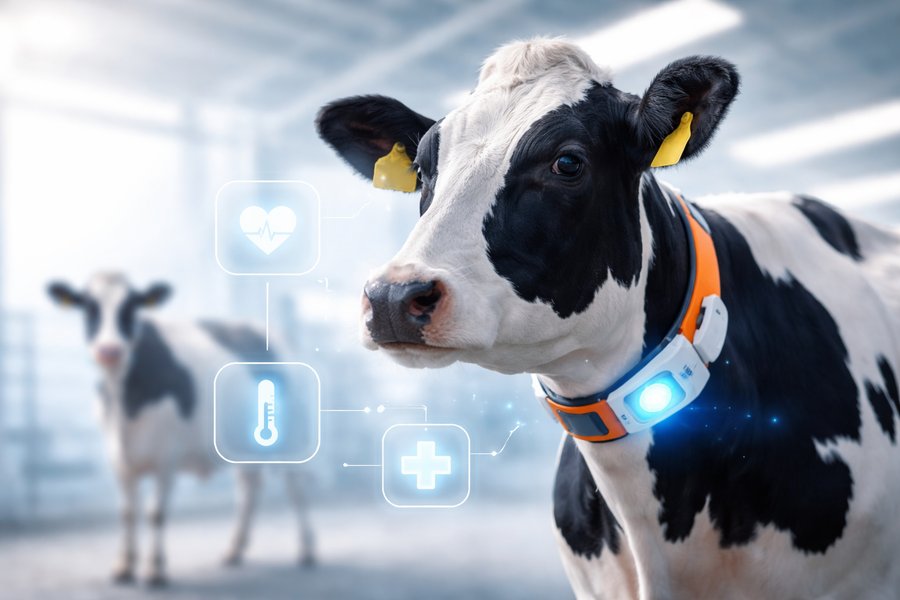
The global livestock industry stands at a pivotal crossroads where traditional animal husbandry practices meet revolutionary technological innovation. Farm animals represent the foundation of food security for billions of people worldwide, with cattle, swine, and poultry operations producing essential protein sources that sustain human populations across every continent. The health of these animals directly impacts not only the economic viability of agricultural enterprises but also the safety and availability of meat and dairy products consumed by families around the world. Maintaining optimal livestock health has historically required intensive manual observation, with farmers and veterinarians conducting daily visual inspections to identify signs of illness before diseases could spread through herds and flocks.
Artificial intelligence has emerged as a transformative force in agricultural technology, offering capabilities that fundamentally change how farmers monitor and protect their animals. The convergence of advanced sensors, machine learning algorithms, and cloud computing platforms has created unprecedented opportunities for continuous health surveillance that operates around the clock without human fatigue or inconsistency. These technological systems can detect subtle physiological changes and behavioral anomalies that would escape even the most experienced human observers, identifying potential health problems days or weeks before visible symptoms appear. The precision livestock farming market reflects this technological revolution, with industry valuations reaching approximately 7.5 billion dollars in 2024 and projections indicating growth to over 12 billion dollars by 2030 as farms worldwide embrace digital monitoring solutions.
Wearable sensors and computer vision systems represent the two primary technological approaches driving this transformation in livestock health management. Devices attached to animals continuously measure vital signs including body temperature, heart rate, activity levels, and rumination patterns, transmitting data wirelessly to centralized analysis platforms. Camera-based monitoring systems analyze animal movement, posture, and behavior using deep learning algorithms trained on vast datasets of both healthy and sick animals. Together, these complementary technologies create comprehensive surveillance networks capable of tracking individual animal health across herds numbering in the thousands while simultaneously monitoring environmental conditions that influence disease transmission.
The shift from reactive treatment to proactive intervention represents perhaps the most significant conceptual change these technologies enable. Traditional livestock medicine operated primarily in response to visible illness, with veterinarians treating animals only after clinical symptoms manifested and disease had already established itself. AI-powered monitoring systems fundamentally reverse this paradigm by identifying health deviations during subclinical stages when intervention proves most effective and least costly. Early detection allows farmers to isolate potentially infected animals before pathogens spread, administer targeted treatments that require lower medication dosages, and prevent the cascade of secondary complications that accompany delayed diagnosis.
The implications of these technological advances extend far beyond individual farm operations to influence global food systems, animal welfare standards, and environmental sustainability efforts. Healthier livestock require fewer antibiotics, addressing growing concerns about antimicrobial resistance that threatens both human and animal medicine. Improved disease prevention reduces mortality rates that represent significant economic losses while also minimizing the suffering experienced by sick animals. Enhanced monitoring capabilities support traceability requirements increasingly demanded by consumers and regulators who seek assurance about the conditions under which their food is produced. As the global population continues expanding toward ten billion people by 2050, the agricultural industry faces mounting pressure to increase production while simultaneously improving sustainability and welfare outcomes, making AI-powered health monitoring an essential tool for the future of livestock farming.
The economic dimensions of livestock disease underscore why these technological advances matter so profoundly for agricultural sustainability. Respiratory disease complex alone costs the swine industry substantial losses annually through reduced productivity, increased mortality, elevated condemnation rates at slaughter, and extensive medication expenses. Lameness in dairy cattle generates estimated costs exceeding three hundred euros per affected animal through reduced milk yield, impaired fertility, and treatment requirements. Mastitis, the inflammatory udder condition affecting dairy cows worldwide, accounts for sixty to seventy percent of all antibiotics administered to cattle while generating annual losses that vary by country and management system but consistently represent major drains on farm profitability. These economic realities create powerful incentives for technology investments that reduce disease incidence, explaining the rapid growth trajectories observed across precision livestock farming markets.
How AI Technology Works in Livestock Monitoring
Understanding how artificial intelligence transforms livestock health management requires examining the fundamental technological components that enable continuous monitoring and early disease detection. Modern precision livestock farming systems integrate multiple layers of technology, from physical sensors attached to individual animals to sophisticated cloud-based analytics platforms that process vast quantities of health data in real time. The effectiveness of these systems depends on their ability to collect accurate physiological and behavioral measurements, transmit data reliably across farm environments, and apply machine learning algorithms capable of distinguishing between normal biological variation and meaningful health deviations. This technological infrastructure represents decades of engineering advancement in sensor miniaturization, wireless communication protocols, and computational processing power that have collectively made practical farm-scale deployment achievable.
The operational architecture of AI livestock monitoring systems typically follows a three-tier structure encompassing data acquisition, data processing, and decision support functions. Sensors and cameras deployed throughout farm facilities continuously gather information about animal physiology, behavior, and environmental conditions, generating streams of raw data that flow to edge computing devices located within barn environments. These local processors perform initial data cleaning and feature extraction before transmitting condensed information to cloud servers where more computationally intensive machine learning analysis occurs. The resulting health insights and automated alerts then travel back through this infrastructure to reach farmers through mobile applications, desktop dashboards, and integration with existing farm management software platforms.
The machine learning algorithms powering these systems employ various approaches depending on the specific health parameters being monitored and the types of data available for analysis. Supervised learning models trained on labeled datasets of healthy and diseased animals excel at classification tasks like distinguishing normal from abnormal gait patterns or identifying mastitis from milk quality measurements. Unsupervised anomaly detection algorithms prove valuable for flagging unexpected deviations from established behavioral baselines without requiring explicit disease labels during training. Deep learning neural networks, particularly convolutional architectures designed for image analysis and recurrent networks suited for time-series data, enable sophisticated pattern recognition across the complex, multidimensional datasets generated by modern monitoring systems.
The continuous nature of AI-powered monitoring fundamentally differentiates these systems from traditional health assessment approaches that rely on periodic observations. Where manual inspection might occur once or twice daily, automated sensors and cameras operate around the clock, capturing health-relevant data during nighttime hours when animals exhibit different behavioral patterns and diseases may progress unobserved. This temporal completeness proves particularly valuable for detecting health events that develop rapidly or manifest primarily during specific periods, such as the increased activity associated with estrus in cattle or the respiratory distress that may worsen overnight in animals with developing infections. The granularity of continuous data collection also enables detection of subtle trends that would escape notice in daily snapshot observations, identifying gradual changes in activity levels or feeding behavior that presage health problems days before they would become apparent through less frequent monitoring.
Wearable Sensors and IoT Devices
Wearable sensor technology has revolutionized individual animal monitoring by enabling continuous measurement of vital signs and behavioral parameters without requiring direct human observation. Collar-mounted devices equipped with accelerometers and gyroscopes track animal movement patterns, measuring activity levels, resting times, and the distinctive jaw movements associated with rumination in cattle. These motion sensors detect changes in daily activity rhythms that frequently precede clinical illness, as sick animals typically exhibit reduced movement and altered feeding behaviors before other symptoms become apparent. Temperature sensors integrated into collars or ear tags provide continuous body temperature monitoring, capturing febrile responses to infection that represent one of the earliest and most reliable indicators of developing disease.
Rumen bolus technology represents a particularly innovative approach to internal health monitoring in cattle and other ruminants. These sensor-laden capsules are administered orally and settle permanently in the reticulum, the second compartment of the ruminant stomach, where they remain for the animal’s lifetime due to their weight and shape. From this internal position, boluses measure core body temperature with accuracy levels reaching plus or minus 0.018 degrees Fahrenheit, detecting subtle thermal changes associated with subclinical infections before external symptoms manifest. Advanced bolus systems like those developed by smaXtec additionally monitor rumen pH levels, water intake patterns, and rumination contractions, providing comprehensive digestive health assessment that supports both disease detection and feed management optimization.
Ear tag sensors combine identification functions with health monitoring capabilities in compact devices that attach using standard livestock tagging equipment. Radio frequency identification components enable automated animal tracking as individuals move through farm facilities, while embedded sensors measure activity levels and skin temperature. Companies including Allflex SenseHub and CowManager have developed sophisticated ear tag systems that monitor multiple health parameters simultaneously, transmitting data wirelessly to base stations distributed throughout barn environments. These devices prove particularly valuable for monitoring large herds where individual animal observation would require impractical labor investments, enabling farms with thousands of animals to maintain continuous health surveillance across their entire populations.
The Internet of Things infrastructure connecting these wearable devices creates networks capable of aggregating health data from across entire farm operations. Base stations and gateways positioned throughout facilities receive wireless transmissions from individual sensors, forwarding collected data to local servers or cloud platforms for centralized analysis. Low-power wide-area network technologies including LoRaWAN enable long-range data transmission with minimal battery consumption, allowing wearable devices to operate for extended periods without replacement or recharging. The resulting data streams, when aggregated across thousands of animals and analyzed over time, reveal population-level health trends and environmental factors that influence disease incidence beyond what individual animal monitoring alone could detect.
Computer Vision and Image Analysis
Computer vision systems offer a fundamentally different approach to livestock health monitoring by analyzing visual information captured through cameras rather than relying on sensors attached to individual animals. This contactless methodology eliminates the stress associated with handling animals for sensor attachment and avoids potential device damage or loss that can occur when hardware is placed on active livestock. Camera-based monitoring proves particularly valuable for behavioral analysis that requires observing spatial relationships between animals, movement patterns across facilities, and subtle postural changes that indicate discomfort or illness. Modern computer vision platforms leverage deep learning algorithms trained on millions of annotated images to automatically detect and classify health-relevant features with accuracy levels approaching or exceeding human expert performance.
Lameness detection represents one of the most successful applications of computer vision in livestock health monitoring, with multiple commercial systems achieving widespread deployment across dairy operations worldwide. Cameras positioned above milking parlor exits capture video of cows walking past, recording gait characteristics that algorithms analyze to identify movement abnormalities associated with foot lesions, joint problems, and other locomotor disorders. Systems developed by CattleEye use standard two-dimensional security cameras combined with artificial intelligence to assess mobility scores for individual animals, detecting subtle gait changes up to twenty-three days before human observers would identify visible lameness symptoms. This early detection capability proves economically significant given that lameness represents one of the most costly health conditions in dairy production, with estimated losses exceeding three hundred pounds per affected animal through reduced milk yield, impaired fertility, and increased treatment expenses.
Body condition scoring through computer vision provides objective assessment of animal nutritional status without requiring manual handling or subjective visual evaluation by farm staff. Cameras capture images of animals from standardized angles, and algorithms analyze body shape characteristics to assign condition scores on established scales used throughout the dairy industry. Research validation studies comparing AI-generated body condition scores with assessments performed by experienced veterinarians demonstrate comparable accuracy levels, with some systems achieving agreement rates exceeding ninety percent. Automated daily scoring for every animal in a herd enables precise tracking of condition changes over time, supporting nutritional management decisions that optimize animal health and productive performance throughout lactation cycles.
Thermal imaging cameras expand computer vision capabilities by capturing infrared radiation that reveals surface temperature variations invisible to standard optical systems. Elevated udder temperatures frequently indicate mastitis infections before other clinical signs become apparent, making thermal monitoring valuable for early detection of this economically significant dairy disease. Similarly, increased hoof temperatures may precede visible lameness, and facial thermal patterns can indicate respiratory infections affecting the upper airways. Research combining thermal imaging with machine learning classification algorithms has demonstrated detection accuracy exceeding eighty-five percent for various health conditions, though practical deployment requires careful environmental control since ambient temperature, humidity, and solar radiation can influence surface temperature measurements and confound disease detection algorithms.
The integration of multiple camera types within unified monitoring platforms creates comprehensive visual surveillance capabilities that address diverse health assessment needs. Facilities may deploy two-dimensional cameras for behavior and movement analysis, depth-sensing cameras that capture three-dimensional body shape for condition scoring, and thermal cameras for temperature-based disease detection. Artificial intelligence algorithms process these varied data streams both independently and in combination, extracting complementary health insights that together provide more complete animal assessment than any single imaging modality could achieve alone. This multi-modal approach reflects broader trends in precision livestock farming toward integrated monitoring systems that synthesize information from diverse sources to support holistic animal health management.
Early Disease Detection and Predictive Analytics
The capacity to identify health problems before clinical symptoms become apparent represents perhaps the most transformative capability that artificial intelligence brings to livestock management. Traditional disease detection relied entirely on observing visible signs of illness, meaning that by the time farmers or veterinarians recognized a problem, pathogens had already established infections, inflammatory processes had progressed significantly, and affected animals had potentially transmitted diseases to herdmates. AI-powered monitoring systems fundamentally alter this timeline by detecting physiological and behavioral changes during subclinical disease stages when intervention proves most effective. Research indicates that appropriate treatment administered during early infection stages achieves cure rates substantially higher than treatment initiated after clinical symptoms develop, while simultaneously requiring lower medication dosages and shorter treatment durations.
Machine learning algorithms trained on health monitoring data develop pattern recognition capabilities that identify disease signatures across multiple parameters simultaneously. A cow developing mastitis may exhibit slightly elevated body temperature, reduced rumination activity, and subtle changes in lying behavior individually insufficient to trigger concern but collectively forming a recognizable disease pattern. The algorithms processing sensor data from thousands of animals learn these multi-dimensional signatures, becoming increasingly accurate at distinguishing emerging health problems from normal biological variation. Studies evaluating AI disease prediction systems report detection accuracy levels exceeding ninety percent for conditions including respiratory infections, metabolic disorders, and reproductive problems, with alert timing ranging from several hours to multiple days before conventional detection methods would identify affected animals.
Poultry operations present distinct monitoring challenges and opportunities compared to dairy and swine facilities. The large populations managed in commercial poultry houses, sometimes numbering tens of thousands of birds in a single facility, make individual animal monitoring impractical with current wearable sensor technologies. Computer vision and environmental monitoring approaches instead track flock-level health indicators including activity patterns, feeding behavior, and mortality rates. Machine learning algorithms analyzing these population metrics can detect emerging health problems affecting bird groups, triggering interventions before diseases spread throughout entire houses. Audio analysis systems monitoring vocalizations can identify respiratory disease patterns, while thermal imaging detects temperature abnormalities associated with various poultry diseases. Research applications have demonstrated deep learning model accuracies exceeding ninety-eight percent for detecting common poultry diseases including coccidiosis, salmonella, and Newcastle disease from fecal image analysis, suggesting promising directions for automated diagnostic tools deployable at farm level.
Respiratory disease complex poses particular challenges for livestock producers due to the rapid transmission of airborne pathogens through confined animal populations and the difficulty of identifying individual sick animals within large groups. AI monitoring systems address these challenges through continuous behavioral surveillance that detects the reduced activity, altered feeding patterns, and social isolation behaviors frequently exhibited by animals with respiratory infections. Audio analysis systems take a different approach by using microphones to capture coughing sounds within barn environments, with algorithms distinguishing disease-associated coughs from normal respiratory sounds. The SoundTalks system developed by Boehringer Ingelheim applies this methodology in swine operations, providing respiratory disease alerts up to five days before conventional detection methods would identify problems within pig populations.
Reproductive health monitoring demonstrates how AI systems support proactive management across the entire animal lifecycle rather than focusing solely on disease detection. Wearable sensors tracking activity levels identify the increased movement and restlessness associated with estrus in cattle, enabling precise timing of artificial insemination that maximizes conception rates. The smaXtec bolus system monitors internal body temperature changes that precede calving, alerting farmers to imminent births that may require assistance and reducing calf mortality associated with unattended difficult deliveries. Research conducted in Kazakhstan dairy operations found that implementing smaXtec technology increased the percentage of successful first-service conceptions and reduced the calving-to-conception interval, demonstrating tangible reproductive performance improvements beyond disease detection benefits.
Predictive analytics platforms aggregate historical health data with current monitoring information to forecast disease probability at both individual and herd levels. These systems identify animals exhibiting risk factors associated with specific conditions, enabling targeted preventive interventions before problems develop. Environmental monitoring data including temperature, humidity, and air quality measurements feed into predictive models that assess conditions favoring disease transmission, alerting farmers to implement enhanced biosecurity measures during high-risk periods. The integration of weather forecasting data extends prediction horizons further, enabling proactive preparation for heat stress events, cold weather challenges, and seasonal disease patterns that vary with environmental conditions throughout the year.
The data generated through continuous AI monitoring creates valuable resources for understanding disease dynamics and optimizing prevention strategies over time. Analysis of health events across large animal populations reveals epidemiological patterns including seasonal incidence variations, age-related susceptibility differences, and facility design factors that influence disease transmission. This population-level insight supports evidence-based improvements in farm management practices, vaccination protocols, and housing designs that reduce disease incidence beyond what individual animal monitoring alone could achieve. The learning algorithms powering these systems continuously improve their predictive accuracy as they process additional health data, meaning that monitoring platforms become increasingly effective the longer they operate within farm environments.
The temporal advantage provided by early detection translates directly into improved treatment outcomes and reduced disease severity. Research examining mastitis treatment protocols demonstrates that intervention during subclinical stages, before visible inflammation or milk changes appear, achieves higher cure rates while requiring less intensive antibiotic therapy than treatment initiated after clinical symptoms manifest. Similar patterns emerge across other livestock diseases, with early intervention consistently outperforming delayed treatment in terms of animal recovery, production impact, and medication requirements. The smaXtec company reports that farmers using their technology for proactive treatment achieve cost savings of forty to seventy percent compared to reactive approaches, with specific savings varying by disease type and intervention timing. These documented benefits explain the strong economic case for monitoring technology investments despite the substantial upfront costs involved.
Heat stress detection represents another important application of AI monitoring systems, particularly relevant as climate change increases temperature extremes affecting livestock operations globally. Elevated ambient temperatures cause physiological stress that reduces feed intake, impairs reproductive performance, and increases susceptibility to infectious diseases. Traditional heat stress management relied on environmental monitoring alone, applying cooling interventions uniformly across entire facilities regardless of individual animal responses. AI systems incorporating both environmental sensors and individual animal monitoring enable more targeted responses, identifying specific animals experiencing distress and adjusting management accordingly. Thermal imaging systems can detect elevated body surface temperatures indicating heat stress before production impacts occur, while behavioral monitoring identifies altered activity patterns associated with thermal discomfort.
Real-World Applications and Case Studies
Examining documented implementations of AI livestock monitoring technology reveals the practical outcomes these systems achieve when deployed in actual farm environments. While research studies conducted under controlled conditions demonstrate technological capabilities, real-world case studies provide insight into the operational challenges, adoption processes, and measurable benefits that farmers experience when integrating these systems into daily management routines. The following examples represent verified deployments from the period between 2022 and 2025, selected to illustrate different livestock types, farm scales, and geographic contexts while maintaining focus on documented results rather than preliminary announcements or projected outcomes.
Triple G Dairy operates a large-scale dairy facility in Buckeye, Arizona, managing approximately five thousand to six thousand cows annually in the challenging climate conditions of the American Southwest. Traditional lameness monitoring methods proved inadequate for an operation of this scale, with limited labor availability preventing the frequent individual animal assessments required for early problem detection. The farm implemented CattleEye’s AI-powered camera monitoring system, installing cameras above milking parlor exits to capture video of every cow during routine milking activities. The system integrated with existing RFID identification infrastructure to link mobility assessments with individual animal records automatically. Over a two-year deployment period, the results proved transformative for herd health management. During a subsequent veterinary audit examining one hundred randomly selected cows, inspectors found zero animals exhibiting lameness, a remarkable achievement for a large commercial dairy. Farm manager Skyler Gericke reported that staff transitioned from spending time searching for lame cows to treating animals earlier based on AI alerts, fundamentally changing daily workflows while achieving herd lameness rates among the best performing dairies in the region.
Research conducted in Northern Kazakhstan evaluated smaXtec bolus technology across multiple dairy operations including Olzha-Sadchikovskoye LLP, Mambetov and Company LP, Family Farm LLP, and Farmer farm. The study enrolled four hundred animals across these facilities, with boluses administered to monitor internal body temperature, rumen pH, and activity levels. Researchers compared reproductive and health performance metrics before and after bolus implementation, documenting measurable improvements across multiple parameters. Milk yield over 305-day lactation periods increased following technology adoption, while conception rates from first insemination improved significantly. The calving-to-conception interval decreased as the technology enabled more precise heat detection, with the system identifying estrus events in animals that would have been missed through visual observation alone. The bolus technology detected approaching calving times in over eighty percent of monitored cows, allowing farm staff to provide appropriate supervision during births. Rumen pH monitoring revealed correlations between acidity levels and milk productivity, enabling feed management adjustments that further optimized animal performance.
Highfields Farm in Cheshire, United Kingdom, operates a high-producing Holstein dairy herd milking over one thousand cows with average yields exceeding twelve thousand five hundred liters per cow annually. The farm deployed CattleEye’s monitoring system to address lameness management challenges associated with intensive production. Over an eighteen-month evaluation period, the operation achieved an eight percent reduction in overall lameness prevalence through earlier detection and faster treatment of affected animals. Recovery times shortened as problems were identified at earlier stages when intervention proves most effective, while long-term mobility outcomes improved through prevention of the chronic damage that occurs when lameness goes undetected. The technology operated without requiring wearable devices, collars, or manual scoring, instead providing real-time data that enabled precise prioritization of veterinary interventions. Farm management reported improved welfare-focused decision making supported by objective, continuous assessment data rather than periodic manual evaluations.
A randomized controlled trial conducted at a large dairy farm in the United Kingdom provided scientific validation of CattleEye’s effectiveness under rigorous experimental conditions. Animals were randomly assigned to either CattleEye-monitored or control groups, with lameness outcomes tracked over the study period. Cows monitored by the AI system exhibited a four-fold lower cumulative incidence of severe lameness compared to control animals receiving traditional monitoring. Additionally, consistently monitored cows experienced two and a half times fewer moderate and chronic lameness cases, demonstrating benefits extending beyond severe condition prevention to overall mobility improvement. The study concluded that while the technology proved highly effective, optimal results required integration into comprehensive lameness management strategies that combined AI detection capabilities with skilled foot trimming and appropriate treatment protocols. The research confirmed economic benefits previously estimated through modeling, with each prevented lameness case avoiding costs exceeding three hundred pounds through maintained milk production, preserved fertility, and reduced treatment expenses.
The smaXtec system’s deployment across global dairy operations has generated extensive performance data, with the company reporting over one hundred billion data points collected from monitored cows worldwide as of 2025. Farmer testimonials document substantial antibiotic use reductions ranging from sixty to sixty-six percent on individual operations, achieved through early disease detection that enables treatment before conditions progress to stages requiring aggressive antimicrobial intervention. One farmer reported eliminating routine antibiotics entirely while avoiding milk dumping associated with treatment withholding periods. Another operation documented savings exceeding thirty-six thousand dollars in direct antibiotic costs over a single season, with additional income preserved through uninterrupted milk sales. These outcomes align with broader industry goals for antimicrobial stewardship while demonstrating the economic case for precision monitoring technology investment.
Benefits for Farmers, Animals, and the Food Supply Chain
The advantages of AI-powered livestock health monitoring extend across multiple stakeholders within agricultural systems, creating value that justifies technology investments while simultaneously advancing animal welfare and food safety objectives. Understanding these benefits requires examining outcomes from the distinct perspectives of farm operators, the animals themselves, consumers purchasing livestock products, and the broader agricultural industry addressing sustainability challenges. The interconnected nature of these benefits means that improvements in one area frequently generate positive outcomes across other dimensions, creating compound returns from monitoring technology adoption.
Farmers implementing AI health monitoring systems experience operational benefits that directly impact profitability and management efficiency. Labor requirements for health surveillance decrease substantially when automated systems continuously monitor animals that would otherwise require manual inspection. A single farm worker can effectively manage health monitoring for thousands of animals through AI-generated alerts that prioritize attention toward individuals requiring intervention, fundamentally changing the economics of livestock operations facing chronic labor shortages. Veterinary costs decline as early detection enables intervention during disease stages requiring less intensive treatment, with studies documenting reduced medication expenses, shorter treatment durations, and fewer emergency veterinary calls. Mortality rates decrease when diseases are caught before they progress to life-threatening stages, preserving the substantial investment represented by each animal while maintaining herd productivity. These operational improvements compound over time as healthier herds require less ongoing intervention, creating virtuous cycles that progressively enhance farm performance.
The economic analysis of monitoring technology investments reveals favorable returns across diverse farm types and scales. The precision livestock farming market research indicates that farms implementing comprehensive monitoring systems achieve measurable improvements in productivity metrics including milk yield, feed efficiency, and reproductive performance. The smaXtec company reports that farmers using their system experience proactive treatment cost savings of forty to seventy percent compared to reactive approaches, depending on disease type. CattleEye’s economic analysis, based on independent research published in the Journal of Dairy Science, indicates that prevention-focused approaches dramatically outperform treatment-based strategies, with each additional week of lameness duration costing approximately twelve euros per affected cow. These documented savings, combined with productivity improvements from healthier animals, typically generate positive investment returns within timeframes that make monitoring technology adoption financially attractive even for operations with constrained capital availability. Industry analysts note that return on investment calculations should incorporate not only direct cost savings but also the value of improved animal welfare, reduced labor requirements, and enhanced market access that monitoring capabilities enable.
Animal welfare improvements represent benefits that extend beyond economic calculation to address ethical obligations toward animals under human care. Sick animals experience suffering that AI monitoring systems help minimize through earlier intervention and more effective treatment. Pain associated with conditions like lameness decreases when problems are identified and addressed before they progress to severe stages causing significant discomfort. Stress levels decline when health management shifts from reactive approaches involving intensive handling of sick animals toward proactive strategies that prevent problems before they develop. The continuous nature of AI monitoring ensures that every animal receives consistent health surveillance regardless of herd size, eliminating the welfare risks associated with traditional systems where individual animals in large groups might escape regular observation. Industry observers note that consumer expectations regarding farm animal treatment increasingly influence purchasing decisions, making welfare improvements simultaneously ethical imperatives and market requirements.
Consumers benefit from AI livestock monitoring through improved food safety and enhanced supply chain transparency. Healthier animals produce safer food products, with reduced disease incidence decreasing contamination risks that can affect meat and dairy quality. The decreased antibiotic use enabled by early detection addresses consumer concerns about antimicrobial residues in food products while supporting broader public health efforts to combat antibiotic resistance. Traceability systems enabled by individual animal monitoring support origin verification and recall management capabilities that protect consumers when food safety problems occur. Market research indicates growing consumer willingness to pay premiums for products from farms demonstrating high welfare standards and sustainable practices, creating economic incentives that align producer investments in monitoring technology with consumer preferences for responsibly produced food.
The broader agricultural industry benefits from AI monitoring adoption through advances in sustainability and disease management at regional and national scales. Reduced antibiotic use across livestock operations addresses antimicrobial resistance concerns that threaten both human and veterinary medicine. Early disease detection capabilities support rapid response to emerging pathogen threats, potentially containing outbreaks before they spread across multiple farms or regions. The smaXtec system demonstrated this potential by detecting avian influenza in dairy cows up to seven days before clinical symptoms appeared during recent outbreak events, illustrating how distributed monitoring networks could provide early warning systems for serious disease threats. Environmental benefits accrue through improved feed efficiency in healthier animals, reducing the resource inputs and emissions associated with livestock production while maintaining output levels needed to meet global protein demand. These industry-wide benefits create positive externalities that extend beyond individual farm returns, supporting policy interest in promoting precision livestock farming adoption.
The data infrastructure created through widespread AI monitoring deployment generates additional value through aggregated insights that benefit the entire agricultural sector. When monitoring data from thousands of farms feeds into centralized analysis platforms, patterns emerge that would remain invisible at individual operation scales. These population-level datasets support research into disease epidemiology, genetic factors influencing health outcomes, and management practices that optimize animal welfare and productivity. Breeding programs can incorporate health monitoring data to select for disease resistance traits, progressively improving livestock genetics in ways that reduce future disease incidence. Veterinary pharmaceutical companies gain insight into treatment effectiveness and disease dynamics that inform drug development priorities. Feed manufacturers can correlate nutritional formulations with health outcomes to optimize products for animal wellbeing. This ecosystem of data-driven improvement creates compound benefits that accelerate progress across the livestock industry.
Insurance and risk management applications represent emerging areas where AI monitoring data creates tangible value for livestock operations. Traditional livestock insurance relied on mortality claims without detailed insight into the health events preceding animal deaths or the management practices that might have prevented losses. Continuous monitoring creates comprehensive health records that support more accurate risk assessment, potentially enabling insurance products with pricing that reflects actual management quality rather than broad industry averages. Farms demonstrating superior health outcomes through monitoring data could qualify for reduced premiums, creating additional financial incentives for technology adoption. Lenders evaluating agricultural credit applications similarly benefit from health monitoring data that indicates management capability and operational risk levels, potentially improving financing terms for technology-enabled operations.
Challenges and Implementation Considerations
Despite the substantial benefits documented across diverse farm operations, AI livestock health monitoring systems face implementation challenges that influence adoption rates and limit technology access for certain producer segments. Understanding these obstacles proves essential for farmers evaluating monitoring investments, technology developers working to improve their products, and policymakers designing programs to support precision agriculture adoption. The challenges span technical, economic, operational, and regulatory dimensions, each requiring targeted solutions to enable broader deployment of these beneficial technologies.
Technical challenges begin with the fundamental infrastructure requirements for continuous monitoring systems in agricultural environments. Farm facilities frequently lack reliable internet connectivity required for cloud-based analytics platforms, particularly in rural locations distant from telecommunications infrastructure. Harsh barn environments expose electronic equipment to dust, moisture, ammonia, and animal damage that can compromise sensor reliability and shorten device lifespans. Data management demands escalate rapidly as monitoring systems generate continuous streams of information from potentially thousands of individual sensors, requiring storage capacity and processing power that exceed capabilities available to many farm operations. Interoperability limitations complicate integration between monitoring platforms and existing farm management software, potentially requiring manual data transfer that undermines efficiency gains from automated monitoring. Research indicates that only approximately one-third of existing livestock monitoring systems employ predictive analytics capabilities on their collected data, suggesting that many operations collect information without fully realizing its analytical potential.
Economic barriers represent perhaps the most significant obstacles limiting monitoring technology adoption, particularly among smaller producers operating with constrained capital and narrow profit margins. Initial investment costs for comprehensive monitoring systems can reach substantial amounts when hardware, software, installation, and training expenses are considered together. While documented returns typically justify these investments over time, the upfront capital requirements exceed what many operations can readily allocate, especially when competing against more immediately pressing equipment and infrastructure needs. Ongoing costs including subscription fees for cloud analytics platforms, sensor replacement, and system maintenance add recurring expenses that must be incorporated into farm budgets. Small-scale farmers face particular challenges since monitoring system costs do not scale proportionally with herd size, meaning that per-animal technology expenses run higher for smaller operations than for large commercial facilities that can amortize fixed costs across thousands of animals.
Operational challenges center on the human factors essential for successful technology implementation in agricultural settings. Farmer training requirements can be substantial for monitoring systems featuring complex interfaces and extensive analytical capabilities, demanding time investments that compete with daily farm management responsibilities. Generational differences in technology comfort levels create adoption barriers on operations where older farmers with decades of experiential knowledge may resist data-driven approaches that seem to devalue traditional observation skills. Staff turnover can undermine technology effectiveness when trained personnel leave operations and replacements lack familiarity with monitoring systems. Alert fatigue emerges as a concern when systems generate excessive notifications, potentially causing farmers to ignore warnings that include occasional genuine health concerns among numerous false alarms. Research on technology adoption in agricultural contexts emphasizes the importance of demonstrating clear value propositions and providing ongoing support that addresses these operational realities.
Data privacy and security considerations raise concerns that extend beyond immediate farm operations to broader questions about information ownership and use. Monitoring systems collect detailed data about farm operations, animal performance, and management practices that hold commercial value and competitive sensitivity. Questions about who owns this data, how it may be used by technology providers, and what protections exist against unauthorized access or disclosure remain incompletely resolved across the industry. Large technology companies entering agricultural markets bring sophisticated data capabilities that can feel threatening to farmers accustomed to operational independence. Regulatory frameworks governing agricultural data remain underdeveloped compared to other sectors, leaving farmers uncertain about their rights and exposures when adopting monitoring technologies that generate valuable information streams.
Technology standardization limitations complicate system selection and integration decisions for farmers navigating an evolving marketplace with numerous competing providers. Proprietary systems that function only within specific vendor ecosystems can create lock-in effects that limit future flexibility and bargaining power. The absence of industry-wide data standards impedes information sharing between different monitoring platforms, veterinary diagnostic systems, and supply chain traceability requirements. Farmers investing in current-generation technology face obsolescence risks as rapidly advancing AI capabilities may render today’s systems outdated within relatively short timeframes. Industry observers recommend that farmers prioritize systems offering open data access and integration capabilities that preserve flexibility even as the technology landscape continues evolving. These technical and market structure challenges suggest that industry coordination and potentially regulatory intervention may be needed to establish standards that support interoperability and protect farmer interests.
Regional disparities in technology access and adoption rates create equity concerns as precision livestock farming expands globally. Developed agricultural markets in North America and Europe benefit from established infrastructure, technical support networks, and financing mechanisms that facilitate monitoring technology deployment. Developing regions often lack the connectivity infrastructure, technical expertise, and capital availability required for successful implementation, potentially widening productivity gaps between technologically advanced and traditional livestock operations. Small-scale farmers in emerging markets, who collectively manage substantial portions of global livestock populations, face particular barriers to accessing technologies designed primarily for large commercial operations in wealthy countries. Addressing these disparities requires intentional efforts to develop appropriate technologies, financing models, and support systems tailored to diverse agricultural contexts rather than assuming that solutions developed for industrial agriculture will transfer directly to smallholder systems.
The skills gap between technology capabilities and farmer expertise represents an ongoing implementation challenge that requires sustained attention. Operating sophisticated AI monitoring platforms demands digital literacy that not all farmers possess, particularly among older generations who developed management skills in pre-digital agricultural environments. Interpreting complex data visualizations, configuring alert thresholds, and troubleshooting technical problems require competencies that agricultural education systems have only recently begun incorporating into curricula. Technology providers increasingly recognize that successful deployment depends on comprehensive training and ongoing support rather than simply installing equipment and assuming farmers will adapt. Extension services and agricultural education institutions face pressure to expand technical training offerings that prepare current and future farmers for data-driven livestock management approaches.
Final Thoughts
The integration of artificial intelligence into livestock health monitoring represents one of the most significant technological transformations in agricultural history, fundamentally redefining the relationship between farmers, their animals, and the technologies that support modern food production. The capabilities documented throughout this examination demonstrate that continuous automated monitoring has progressed from experimental concept to practical reality, with systems already protecting millions of animals across farms spanning multiple continents. This technological maturation coincides with mounting pressures on global food systems to produce more protein for growing populations while simultaneously improving animal welfare standards, reducing environmental impacts, and addressing antibiotic resistance concerns that threaten human health. AI-powered monitoring offers a rare convergence where economic incentives align with ethical imperatives, creating genuine opportunities for progress across multiple dimensions that sometimes appear in tension within agricultural contexts.
The transformation these technologies enable extends beyond simply detecting disease earlier to encompass fundamentally different approaches to animal husbandry that emphasize prevention over treatment and precision over generalization. When farmers can monitor every animal continuously rather than relying on periodic visual inspection, management strategies shift toward maintaining optimal health conditions rather than responding to problems after they develop. This proactive orientation reduces animal suffering, decreases resource waste associated with treating advanced disease, and supports more efficient production systems that generate the same outputs with fewer inputs. The data streams generated through continuous monitoring create feedback loops that enable continuous improvement in management practices, housing designs, and breeding decisions that compound benefits over time in ways that traditional observation-based approaches could never achieve.
The intersection of technological capability and social responsibility demands thoughtful consideration as these monitoring systems continue expanding across global agriculture. The same technologies that enable earlier disease detection and improved animal welfare also create unprecedented surveillance capabilities that concentrate information and power in ways requiring careful governance. Ensuring that small-scale farmers can access these technologies alongside large commercial operations remains essential for maintaining diverse agricultural systems and rural communities. Developing data governance frameworks that protect farmer interests while enabling the information sharing needed for industry-wide disease surveillance represents an ongoing challenge requiring collaboration between producers, technology providers, and policymakers. These considerations do not diminish the genuine benefits AI monitoring delivers but rather highlight the importance of thoughtful implementation that realizes technological potential while managing associated risks.
Looking toward the future, continued advancement in sensor miniaturization, algorithm sophistication, and computing infrastructure will expand monitoring capabilities while reducing costs that currently limit adoption. Integration of AI monitoring with autonomous farm systems including robotic milking, automated feeding, and precision medication delivery will create increasingly automated livestock operations where human roles shift toward oversight and exception management. The data accumulated through widespread monitoring will enable population-level health insights, genetic improvement programs, and disease surveillance systems operating at scales never previously possible. These developments promise continued productivity improvements and welfare advances but also raise questions about the nature of farming, the role of human judgment in animal care, and the concentration of agricultural knowledge within technological systems. Navigating these transitions thoughtfully will determine whether AI livestock monitoring fulfills its potential to create more sustainable, humane, and productive food systems or introduces new challenges that offset its considerable benefits.
FAQs
- What is AI livestock health monitoring and how does it work?
AI livestock health monitoring uses artificial intelligence algorithms to analyze data from wearable sensors, cameras, and environmental monitors to continuously track animal health. Sensors attached to animals measure vital signs including body temperature, heart rate, activity levels, and rumination patterns, while cameras analyze movement, posture, and behavior. Machine learning algorithms process this data to identify patterns associated with disease, alerting farmers to potential health problems days or weeks before visible symptoms appear, enabling proactive intervention rather than reactive treatment. - How much does AI livestock monitoring technology cost?
Costs vary significantly depending on system complexity, farm size, and chosen technology platform. Wearable sensor systems typically require per-animal device investments ranging from approximately twenty to several hundred dollars depending on sensor capabilities, plus base stations, software subscriptions, and installation. Camera-based systems involve equipment costs plus ongoing analytics fees. While initial investments can be substantial, documented returns including reduced veterinary costs, decreased mortality, improved productivity, and antibiotic savings typically generate positive returns within two to four years for most operations. - Can small farms benefit from AI monitoring technology?
Small farms can benefit from AI monitoring, though per-animal costs often run higher than for large operations that spread fixed expenses across thousands of animals. Some technology providers offer scaled pricing models designed for smaller operations, and camera-based systems that monitor groups rather than individuals can prove more economical for farms with limited animal numbers. The labor savings from automated monitoring may prove particularly valuable for small operations where owner-operators cannot dedicate extensive time to manual health observation while managing other farm responsibilities. - How accurate are AI systems at detecting livestock diseases?
Research studies document disease detection accuracy rates exceeding ninety percent for many conditions when AI systems are properly calibrated and maintained. Lameness detection systems achieve accuracy comparable to trained veterinary assessors while providing continuous monitoring impossible through periodic manual evaluation. However, accuracy varies depending on disease type, environmental conditions, system quality, and implementation factors. AI monitoring generally performs best as part of comprehensive health management strategies that combine technological detection with appropriate veterinary follow-up rather than replacing professional diagnosis entirely. - What types of livestock diseases can AI monitoring detect?
AI systems can detect numerous conditions across cattle, swine, and poultry including respiratory infections identified through activity changes and cough sounds, mastitis detected via temperature elevation and behavioral alterations, lameness recognized through gait analysis, metabolic disorders indicated by rumination and feeding changes, and reproductive health issues identified through activity and temperature patterns. The specific conditions detectable depend on which parameters a given system monitors, with comprehensive platforms tracking multiple indicators capable of identifying broader ranges of health problems. - How does AI monitoring reduce antibiotic use in livestock?
AI monitoring reduces antibiotic use by detecting diseases during early subclinical stages when intervention proves most effective. Early detection enables treatment with lower medication dosages over shorter durations compared to treating advanced infections, while preventing the secondary complications that frequently require additional antimicrobial therapy. Some farmers report antibiotic use reductions exceeding sixty percent after implementing monitoring technology, achieved through treating smaller problems before they escalate rather than managing severe infections that develop when early warning signs go undetected. - What infrastructure do farms need to implement AI monitoring?
Basic requirements include reliable electrical power for sensors and base stations, internet connectivity for cloud-based analytics platforms, and appropriate mounting locations for cameras or sensor infrastructure. Farms without adequate connectivity may require cellular network solutions or satellite internet, adding to implementation costs. Indoor facilities typically need wireless network coverage throughout animal housing areas, while pasture-based systems may require solar-powered equipment and long-range communication technologies. Many providers offer site assessments to evaluate infrastructure readiness before system deployment. - How do wearable sensors affect animal welfare and behavior?
Modern wearable sensors are designed to minimize impact on animal comfort and natural behavior. Ear tags add minimal weight to standard identification hardware, collars are engineered for comfortable extended wear, and rumen boluses settle naturally in the stomach without causing digestive disruption. Research comparing monitored and unmonitored animals generally shows no significant behavioral differences attributable to sensor wear. The welfare benefits of early disease detection and treatment typically far outweigh any minor discomfort from wearing monitoring devices, making net welfare impacts strongly positive. - Can AI monitoring systems integrate with existing farm management software?
Many AI monitoring platforms offer integration capabilities with popular farm management software systems, enabling data sharing that enhances both platforms. Integration typically allows health alerts to appear within existing management interfaces, links monitoring data with animal records, and supports automated task generation when intervention is needed. However, interoperability varies between providers, and some systems operate within proprietary ecosystems that limit external connectivity. Farmers should evaluate integration capabilities before selecting monitoring platforms to ensure compatibility with their existing technology infrastructure. - What role do veterinarians play when farms use AI health monitoring?
Veterinarians remain essential partners in livestock health management even when AI monitoring provides continuous surveillance. AI systems excel at detecting health deviations but generally cannot provide definitive diagnosis or treatment recommendations that require professional veterinary judgment. Optimal outcomes occur when AI alerts prompt timely veterinary evaluation of flagged animals, enabling diagnosis confirmation and appropriate treatment selection. Many veterinary practices increasingly incorporate AI monitoring data into their services, using system outputs to prioritize farm visits and track treatment effectiveness over time.