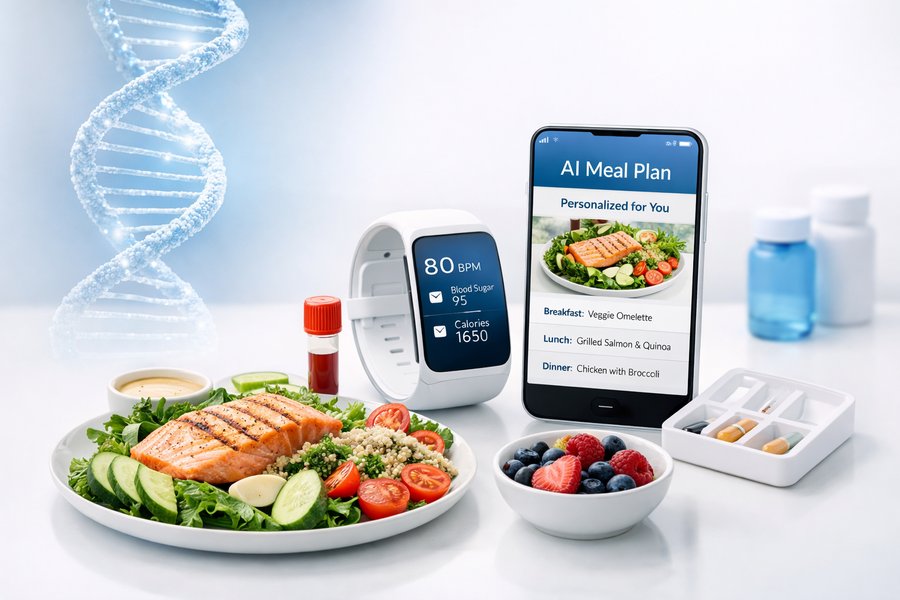
The convergence of artificial intelligence and nutritional science represents one of the most significant shifts in how humans approach dietary health in decades. Traditional dietary guidance has long operated on population-level recommendations, offering standardized advice that fails to account for the remarkable biological diversity among individuals. Two people consuming identical meals can experience dramatically different metabolic responses, with blood glucose spikes varying by as much as threefold between individuals eating the same foods. This fundamental insight has driven the development of AI-powered personalized nutrition platforms that analyze genetic markers, gut microbiome composition, continuous glucose measurements, and lifestyle factors to generate meal plans tailored to each person’s unique physiology.
The scientific recognition that identical twins with matching genetic profiles still differ substantially in their responses to food has revolutionized thinking about dietary guidance. Research led by Professor Tim Spector at King’s College London, including a landmark 25-year study of 14,000 twins, established that genetics alone cannot explain individual variation in metabolic responses. Environmental factors including the gut microbiome, sleep patterns, stress levels, physical activity, and even the time of day meals are consumed all contribute to how bodies process nutrients. These discoveries created the scientific foundation for AI-powered nutrition platforms that integrate multiple data streams rather than relying on any single factor to personalize recommendations.
The global market for AI in personalized nutrition reached approximately $4.89 billion in 2025, with the personalized meal planning and recommendations segment commanding roughly half of that market share. Machine learning and deep learning technologies constitute the technological backbone of these systems, accounting for about 45 percent of implementations, while computer vision capabilities for food recognition represent the fastest-growing segment with projected compound annual growth rates approaching 28 percent through 2034. Mobile applications and cloud-based platforms dominate delivery mechanisms, representing approximately 60 percent of the market, though wearable device integration is emerging as the fastest-growing delivery channel. These platforms have moved beyond simple calorie counting to become sophisticated systems that integrate multiple data streams, from wearable devices tracking sleep and activity patterns to genetic test results revealing inherited metabolic tendencies.
The microbiome and genomics-based nutrition segment represents a particularly dynamic area, with compound annual growth rates exceeding 20 percent projected through 2034. This growth reflects both expanding consumer interest in understanding their biology and declining costs for genetic and microbiome testing that make such assessments increasingly accessible. Direct-to-consumer testing companies have established infrastructure enabling at-home sample collection with laboratory analysis and digital result delivery, removing traditional barriers that required clinical visits for such assessments. The integration of these biological insights with AI-driven recommendation engines creates personalization capabilities that distinguish modern platforms from earlier generation calorie tracking applications.
The transformation extends beyond consumer wellness applications into clinical nutrition interventions where AI-driven recommendations support the management of chronic conditions including diabetes, cardiovascular disease, and kidney disease. Healthcare systems and insurers increasingly recognize nutrition as a modifiable factor in disease progression, leading to partnerships with technology companies that can deliver evidence-based dietary guidance at scale. Research from major academic institutions including King’s College London, Massachusetts General Hospital, Harvard T.H. Chan School of Public Health, and Stanford Medicine has validated the scientific foundations underlying these platforms, demonstrating that machine learning models can predict individual postprandial responses to meals with clinically meaningful accuracy. This article examines how these systems process individual data, the core technologies driving their capabilities, the benefits and challenges across the nutrition ecosystem, real-world implementations with documented outcomes, and the evolving regulatory landscape governing their use.
How AI Nutrition Platforms Process Individual Data
Modern AI nutrition platforms operate as sophisticated data integration engines, collecting and analyzing information from multiple sources to construct comprehensive metabolic profiles for each user. The data collection process typically begins with baseline assessments capturing demographic information, health history, current medications, and dietary preferences. Users complete detailed questionnaires about food allergies, cultural dietary requirements, cooking capabilities, and personal health objectives ranging from weight management to athletic performance optimization. This foundational information establishes the parameters within which the AI system will operate, ensuring recommendations remain practical and aligned with individual circumstances.
The onboarding process for comprehensive platforms often extends across multiple stages, with each stage adding layers of personalization data. Initial questionnaires may take 15-30 minutes to complete, covering not only current health status but also family medical history that may indicate inherited metabolic tendencies. Platforms targeting specific conditions like diabetes or kidney disease collect detailed information about diagnosis timing, current treatment protocols, and any complications that might influence dietary recommendations. Food preference assessments go beyond simple like and dislike ratings to examine preparation method preferences, time available for cooking, budget constraints, and household composition that affects meal planning practicality.
Wearable device integration has become central to many platforms, with continuous glucose monitors representing a particularly valuable data source. The FDA approved the first over-the-counter continuous glucose monitoring systems in 2024, including Dexcom’s Stelo system cleared in March and Abbott’s Lingo and Libre Rio systems cleared in June of that year. These devices measure interstitial glucose levels every few minutes, generating streams of data that reveal how individual bodies respond to specific foods and meals. When users log their dietary intake alongside glucose readings, machine learning algorithms can identify patterns connecting particular food combinations to glycemic responses, enabling increasingly personalized recommendations over time.
The precision of continuous glucose monitoring enables detection of metabolic patterns invisible to traditional assessment methods. Users can observe how the same meal produces different glucose responses depending on whether it is consumed for breakfast versus dinner, eaten after physical activity versus during sedentary periods, or consumed during well-rested versus sleep-deprived states. These contextual variations prove substantial, with some individuals experiencing 50 percent larger glucose spikes from identical meals when sleep-deprived. Machine learning models trained on thousands of such observations can predict glycemic responses under varying conditions, enabling recommendations that account for real-world contextual variation rather than assuming constant metabolic responses.
The sophistication of data processing extends to incorporating contextual factors that influence metabolic responses. Research from the ZOE PREDICT studies, involving over 1,000 participants and generating more than 4 million blood glucose recordings, demonstrated that meal context significantly affects postprandial responses. Factors including time of day, sleep quality the previous night, physical activity levels, and even the sequence in which foods are consumed all influence how the body processes nutrients. Advanced platforms incorporate these variables into their predictive models, adjusting recommendations based on real-time contextual information available through smartphone sensors and connected devices.
Activity tracking integration adds another dimension to data collection, with platforms connecting to fitness wearables that monitor steps, exercise intensity, heart rate variability, and sleep quality. The relationship between physical activity and nutrient metabolism creates opportunities for timing-based recommendations, suggesting different meal compositions before versus after workouts or adjusting caloric recommendations based on activity levels. Some platforms employ adaptive algorithms that learn individual relationships between activity and appetite, helping users anticipate hunger patterns and plan meals accordingly to avoid impulsive food choices driven by unplanned hunger.
From Genetic Markers to Dietary Recommendations
Nutrigenomics represents one of the most promising frontiers in personalized nutrition, examining how genetic variations influence individual responses to dietary components. Single nucleotide polymorphisms affecting genes involved in nutrient metabolism, absorption, and utilization can explain substantial variation in how people respond to specific foods and dietary patterns. The classic example involves the MTHFR gene, where variants C677T and A1298C affect folic acid metabolism, leading to elevated homocysteine levels that increase cardiovascular risk unless addressed through targeted supplementation. AI platforms can integrate such genetic information to generate recommendations accounting for inherited metabolic tendencies.
The scope of genetic influences on dietary response extends far beyond single well-characterized variants to encompass complex polygenic traits involving hundreds of genetic loci. Lactose tolerance, the ability to digest milk sugar into adulthood, represents one of the most dramatic examples of genetic influence on dietary capacity, with tolerance rates varying dramatically across populations based on the prevalence of lactase persistence variants. Northern European populations show tolerance rates exceeding 90 percent, while East Asian populations demonstrate tolerance rates below 10 percent, reflecting evolutionary adaptations to ancestral dietary patterns. Such population-level patterns, when combined with individual genetic testing, enable platforms to tailor recommendations for dairy consumption based on inherited digestive capacity rather than generic guidance.
The gut microbiome presents another dimension of biological individuality that AI systems increasingly incorporate into their analyses. The trillions of bacteria inhabiting the human digestive tract play essential roles in nutrient extraction, vitamin synthesis, and immune function. Metagenomic sequencing technologies can characterize the species composition and functional capacity of individual microbiomes, revealing factors that influence everything from fiber fermentation efficiency to susceptibility to intestinal inflammation. Companies including ZOE have built platforms that analyze microbiome data alongside glucose responses and other biomarkers to generate personalized food scores reflecting how well specific foods align with each user’s biology.
The microbiome differs from genetics in its plasticity, changing in response to diet, medication, and environmental exposures over timescales ranging from days to months. This dynamism creates both opportunities and challenges for personalization. Dietary interventions can deliberately reshape the microbiome toward healthier configurations, with AI platforms potentially guiding users through staged dietary modifications designed to cultivate beneficial bacterial populations. However, the temporal variability means that microbiome-based recommendations may require updating as the microbial community evolves, necessitating periodic reassessment rather than one-time testing.
The translation from biological data to actionable recommendations requires sophisticated machine learning models trained on large datasets linking individual characteristics to health outcomes. These models typically employ ensemble methods combining multiple algorithmic approaches, including neural networks for pattern recognition, random forests for feature importance analysis, and gradient boosting for predictive accuracy. The challenge lies in handling the high dimensionality of the data, with thousands of genetic variants, hundreds of microbial species, and numerous lifestyle factors potentially relevant to any given dietary recommendation. Regularization techniques and feature selection algorithms help identify the most informative variables while avoiding overfitting to noise in the training data.
The interpretability of these complex models presents challenges for both users and healthcare providers seeking to understand the basis for recommendations. Black-box models that generate accurate predictions without explaining their reasoning may produce distrust and reduced adherence, particularly among users accustomed to understanding the rationale behind health guidance. Explainable AI approaches attempt to address this limitation by generating human-readable justifications for recommendations, though the fidelity of these explanations to actual model reasoning remains contested. Some platforms address interpretability concerns by presenting multiple contributing factors ranked by importance, helping users understand which aspects of their biology most strongly influence specific recommendations.
The integration of multiple data types creates both opportunities and challenges for AI nutrition platforms. Combining genetic, microbiome, metabolic, and lifestyle data enables more comprehensive personalization than any single data source could provide. However, the relationships between these variables and health outcomes remain incompletely understood, and the scientific validity of some nutrigenomic claims has been questioned by professional organizations including the Academy of Nutrition and Dietetics. Responsible platforms communicate uncertainty in their recommendations and avoid overstating the precision of their predictions, recognizing that personalized nutrition remains an emerging science with much still to be learned.
Core Technologies Driving Personalized Meal Planning
The technological architecture underlying AI-powered nutrition platforms draws from multiple branches of artificial intelligence, each contributing specific capabilities essential to the personalization process. Machine learning algorithms form the analytical core, processing structured data including lab results, wearable device outputs, and dietary logs to identify patterns and generate predictions. Deep learning models, particularly convolutional neural networks, have revolutionized food recognition and dietary assessment by enabling accurate identification of foods from photographs. Natural language processing capabilities allow users to log meals through conversational interfaces, describing what they ate in everyday language rather than searching through extensive food databases.
The evolution of machine learning approaches in nutrition has progressed from simple regression models predicting caloric needs to sophisticated ensemble methods that consider hundreds of variables simultaneously. Early calorie counting applications relied on static formulas like the Harris-Benedict equation to estimate energy requirements, with users manually searching databases to log food intake. Modern platforms employ adaptive algorithms that learn individual patterns over time, adjusting baseline predictions as they accumulate data about how specific users respond to different foods and activity levels. This shift from population-average models to individualized predictions represents a fundamental change in how AI supports dietary guidance.
Computer vision technology has emerged as a particularly impactful capability, transforming the historically burdensome task of dietary tracking into a simple photograph. Applications including Foodvisor and SnapCalorie employ sophisticated image recognition algorithms that can identify multiple food items in a single photograph, estimate portion sizes, and retrieve corresponding nutritional information from verified databases. SnapCalorie, developed by former Google AI researchers, claims to reduce caloric estimation error to approximately 16 percent, compared to the 53 percent error typical of manual tracking by average users and 41 percent error even among trained nutrition professionals. The company achieved this accuracy by training models on a custom dataset of 5,000 meals photographed using robotic rigs that captured images under diverse conditions while weighing every ingredient.
The technical challenges in food recognition extend beyond simple identification to accurate portion estimation, which proves critical for nutritional assessment. Modern approaches combine visual analysis with depth sensors available on newer smartphones, using LiDAR technology to measure the three-dimensional volume of food items. This volumetric estimation addresses a fundamental limitation of two-dimensional photographs, which cannot distinguish between thin and thick servings of foods like pasta or casseroles. The integration of depth sensing represents a significant advance, though accuracy still varies based on food presentation style, plate characteristics, and image angle.
Recipe adaptation algorithms represent another sophisticated technology enabling personalization at scale. When users indicate preferences or restrictions, AI systems can modify existing recipes to accommodate those requirements while maintaining nutritional balance and culinary appeal. This involves understanding not only ingredient substitutions but also how modifications affect cooking processes, texture, flavor profiles, and nutrient interactions. Large language models have proven particularly valuable for this task, generating recipe variations that read naturally and incorporate practical cooking guidance alongside nutritional optimization.
The application of generative AI to recipe creation has accelerated rapidly, with platforms using large language models to create novel recipes tailored to individual nutritional targets and flavor preferences. Users can request recipes meeting specific macronutrient profiles, using available ingredients, accommodating allergies, and reflecting cuisine preferences, receiving custom-generated options rather than selections from static databases. This capability dramatically expands the variety of recommendations available to users while ensuring nutritional alignment with individual goals. However, the quality of AI-generated recipes varies, and platforms must implement quality controls to ensure generated content is both safe and practically executable.
Predictive modeling for health outcome optimization ties these technologies together, using the insights generated by food recognition, dietary tracking, and biological data analysis to forecast how specific food choices will affect individual health trajectories. These models typically employ supervised learning approaches trained on datasets linking dietary patterns to outcomes including weight change, glycemic control, cardiovascular risk markers, and subjective measures of energy and wellbeing. The ZOE platform, for example, combines predictions for glucose response, triglyceride response, and gut microbiome effects into composite food scores that help users identify meals aligned with their health objectives. A randomized controlled trial published in Nature Medicine in 2024 demonstrated that participants following ZOE’s personalized dietary program achieved significant improvements in cardiometabolic markers compared to those following standard USDA dietary guidelines.
The integration capabilities of modern platforms extend beyond data analysis to include practical implementation support through connections with grocery delivery services, meal kit providers, and restaurant ordering systems. NutriStyle exemplifies this approach, building meal plans from real-time local grocery inventory and connecting directly to online shopping for delivery or pickup. This operational integration addresses a fundamental challenge in nutrition intervention: the gap between knowing what to eat and actually consuming those foods. By reducing friction in the food acquisition process, these platforms increase the likelihood that users will follow through on AI-generated recommendations.
Benefits Across the Nutrition Ecosystem
Individual consumers represent the most visible beneficiaries of AI-powered personalized nutrition, gaining access to guidance previously available only through expensive consultations with registered dietitians or participation in research studies. The democratization of personalized nutrition means that someone managing type 2 diabetes can receive meal recommendations calibrated to their individual glycemic responses, while an athlete can optimize their nutrition for training demands based on their metabolic profile. Studies examining user outcomes consistently demonstrate improved dietary adherence when recommendations are personalized rather than generic, with research published in the Journal of Medical Internet Research finding significantly better adherence among users of platforms like HealthifyMe compared to traditional tracking methods.
The psychological impact of personalization extends beyond improved adherence to fundamental changes in how users relate to dietary guidance. Traditional nutrition advice often feels arbitrary, with users questioning why they should avoid specific foods or follow particular eating patterns. When recommendations derive visibly from individual biological data, users develop stronger ownership over their dietary choices and greater motivation to follow through on suggested changes. The feedback loops created by platforms showing how meals affected personal glucose levels or energy ratings reinforce learning about individual food responses, building intuitive understanding that persists even without continuous platform use.
Healthcare providers increasingly incorporate AI nutrition tools into clinical practice, extending the reach of limited dietitian resources while enabling more frequent touchpoints with patients. Season Health exemplifies the clinical integration model, combining one-on-one consultations with registered dietitians with AI-powered meal recommendations and food delivery logistics. The platform serves patients with chronic conditions including diabetes and kidney disease, providing medically-tailored meals designed to support disease management. In March 2024, Season Health announced a partnership with Steward Health Care Network to provide food-as-medicine programs for over 4,000 qualifying patients in Massachusetts, with outcomes measured to assess reductions in Stage 2 hypertension rates and improvements in nutrition insecurity status.
The efficiency gains for healthcare providers prove substantial, with AI handling routine aspects of dietary assessment and recommendation generation while human professionals focus on complex clinical decisions and emotional support. Platforms like Nourish combine AI-powered meal logging with registered dietitian consultations, using technology to automate note-taking and progress tracking while preserving the human relationship central to effective nutrition counseling. Research suggests that such hybrid approaches can achieve clinical outcomes comparable to traditional therapy while reducing clinician time requirements significantly, potentially expanding access to nutrition care for underserved populations currently facing long wait times or provider shortages.
Health insurers and employers recognize the potential for personalized nutrition interventions to reduce healthcare costs associated with diet-related chronic diseases. Approximately 85 percent of U.S. healthcare costs stem from unhealthy diets according to industry analyses, creating substantial financial incentives for effective nutrition interventions. Corporate wellness programs increasingly incorporate AI-driven nutrition components, with the global corporate wellness market projected to reach $100 billion by 2026. For every dollar invested in workplace wellness programs, organizations report saving approximately $3.27 in medical costs and $2.73 in absenteeism costs, though the evidence base for these returns remains contested and highly variable across implementations.
The return on investment calculations for employer-sponsored nutrition programs depend heavily on employee engagement levels and the quality of program implementation. Companies achieving high participation rates through thoughtful incentive structures and integration with workplace culture report substantially better outcomes than those deploying programs as standalone offerings. AI-powered platforms contribute to engagement through personalization that makes recommendations feel relevant rather than generic, gamification elements that create social engagement around health goals, and convenience features that reduce friction in daily tracking and meal planning. Organizations using AI-driven wellness programs report higher engagement rates compared to traditional approaches, translating to improved health outcomes and cost savings.
The food industry benefits from personalized nutrition data through improved understanding of consumer preferences and health-seeking behaviors. Grocery retailers can optimize inventory based on aggregated demand patterns, while food manufacturers can develop products aligned with emerging nutritional priorities identified through platform data. This creates a feedback loop where consumer preferences expressed through AI nutrition platforms influence product development and availability, potentially accelerating shifts toward healthier food options. However, this commercial application of nutrition data raises questions about data ownership, consent, and the appropriate boundaries between health guidance and marketing.
Research institutions benefit from the unprecedented scale of dietary and health data generated by AI nutrition platforms. The PREDICT research program conducted by ZOE represents the largest in-depth nutritional research study in the world, collecting detailed metabolic response data from thousands of participants that has informed dozens of peer-reviewed publications. This data enables investigation of research questions previously impossible to address due to the logistical challenges of detailed dietary monitoring at scale. The standardized data collection protocols employed by these platforms enhance comparability across studies, accelerating scientific progress in understanding diet-health relationships.
Challenges and Limitations in AI-Driven Nutrition
Data privacy concerns represent one of the most significant challenges facing AI-powered nutrition platforms, given the sensitivity of the health information these systems collect and process. Genetic data, microbiome profiles, continuous glucose readings, and detailed dietary logs create comprehensive portraits of individual biology and behavior that could enable discrimination if mishandled or breached. The regulatory landscape for consumer health data remains fragmented, with platforms collecting health-related information often falling outside the protections afforded by HIPAA, which applies primarily to covered healthcare entities rather than technology companies. Users sharing data with AI nutrition apps typically rely on contractual agreements rather than regulatory safeguards, placing significant trust in platform operators to maintain data security.
The nature of data collected by comprehensive nutrition platforms creates particularly significant privacy implications. Genetic information reveals not only individual health predispositions but also information about biological relatives who never consented to testing. Microbiome data provides insights into intimate aspects of lifestyle and health status. Continuous glucose monitoring data can reveal meal timing, dietary composition, and metabolic health status with granular detail. Location data embedded in food delivery addresses, combined with dietary patterns, creates detailed behavioral profiles. When aggregated, these data streams enable inferences about users that extend far beyond nutrition into areas including mental health, substance use, and even financial status.
The risk of data breaches in healthcare-adjacent applications has proven substantial, with the 2024 Verizon Data Breach Investigations Report indicating that three-quarters of healthcare data breaches exposed personal information, most traced to fundamental security weaknesses. For AI nutrition platforms, compromised data could reveal not only health conditions but also behavioral patterns, food preferences, and location information derived from grocery delivery addresses. Privacy-preserving techniques including federated learning, differential privacy, and homomorphic encryption offer potential solutions, enabling model training without centralizing sensitive data, but these approaches remain incompletely implemented across the industry.
Algorithmic bias presents another critical challenge, with AI models potentially perpetuating or amplifying existing health disparities. Training datasets frequently overrepresent Western populations, high-income individuals, and those with access to the technology required for platform participation, such as smartphones and wearable devices. Research has documented that AI models trained on homogenous data may fail to generalize across socioeconomic or ethnic groups, generating recommendations that overlook cultural dietary patterns or economic constraints relevant to underrepresented populations. The exclusion criteria in some studies explicitly required participants to own specific devices like iPhones, systematically excluding lower-income populations from the datasets informing personalization algorithms.
The implications of algorithmic bias extend beyond reduced accuracy for underrepresented groups to potential reinforcement of harmful assumptions and stereotypes. Food databases underlying many platforms reflect Western dietary patterns, with limited coverage of traditional foods from African, Asian, Latin American, and indigenous cuisines. Users following these dietary traditions may find that platforms cannot recognize their foods in photographs, lack nutritional data for commonly consumed items, or generate recommendations that feel culturally foreign and practically impossible to follow. This cultural mismatch not only reduces platform utility for diverse populations but may also communicate implicit messages about whose dietary traditions are valued and healthy.
The scientific validity of some personalized nutrition claims remains contested within the nutrition science community. The Academy of Nutrition and Dietetics stated in its 2014 position on nutritional genomics that the practical application for complex chronic disease remains an emerging science, and nutrigenetic testing was not ready for routine dietetics practice. While the field has advanced since then, significant gaps remain in understanding how genetic variants interact with diet to influence health outcomes. The effect sizes for many gene-diet interactions identified through research are modest, and the clinical significance of tailoring diets based on these variants requires further validation through rigorous randomized controlled trials.
The complexity of nutrition science creates inherent limitations on personalization accuracy that even sophisticated AI systems cannot overcome with current knowledge. Human metabolism involves thousands of interacting variables, many of which remain incompletely characterized or difficult to measure. The gut microbiome alone comprises trillions of bacteria representing thousands of species, with functional implications that scientists are only beginning to understand. Gene-diet interactions operate within complex networks of regulatory relationships that cannot be reduced to simple variant-response associations. AI platforms necessarily simplify these systems to generate actionable recommendations, and the validity of those simplifications varies substantially across contexts and individuals.
Accessibility barriers limit the reach of AI-powered nutrition platforms to those who can afford subscription fees, possess the digital literacy to navigate app interfaces, and have reliable internet connectivity. Subscription costs for comprehensive platforms typically range from $15 to $75 monthly, with at-home testing kits for microbiome or metabolic analysis adding substantial additional expenses. These costs place personalized nutrition beyond the reach of many individuals who might benefit most from improved dietary guidance, including those experiencing food insecurity or managing chronic diseases on limited incomes. The paradox of personalized nutrition becoming available primarily to those who already enjoy health advantages raises important questions about technology’s role in addressing versus exacerbating health inequities.
Real-World Implementations and Measured Outcomes
The ZOE platform represents one of the most extensively validated AI-driven personalized nutrition interventions, with the company’s PREDICT research program generating substantial evidence for its approach. The program enrolled over 1,000 participants in clinical settings and thousands more in remote at-home protocols, collecting detailed metabolic response data including continuous glucose monitoring, blood triglyceride measurements, and comprehensive gut microbiome analysis. Findings published in Nature Medicine in June 2020 demonstrated that the platform could predict individual postprandial glucose and triglyceride responses by incorporating meal composition, habitual diet, meal context, anthropometry, genetics, microbiome data, and clinical parameters into machine learning models.
The research methodology employed by ZOE established new standards for precision nutrition studies, combining controlled clinical assessments with real-world dietary tracking. Participants consumed standardized test meals designed to elicit measurable metabolic responses, enabling precise characterization of individual response patterns. These controlled observations were supplemented by free-living data collection, with participants logging hundreds of thousands of meals eaten at home while wearing continuous glucose monitors. The combination of controlled and naturalistic data enabled models to generalize from laboratory conditions to real-world dietary contexts, addressing a common limitation of nutrition research that often fails to translate findings from controlled settings to everyday eating behavior.
The ZOE METHOD trial, a randomized controlled study published in Nature Medicine in May 2024, compared the company’s personalized dietary program against standard care advice based on USDA Dietary Guidelines for Americans. The 18-week study enrolled 347 U.S.-based participants aged 41-70 years representative of the average American population. Participants in the personalized program received food scores generated by AI analysis of their individual glucose responses, triglyceride responses, and microbiome profiles, delivered through a mobile application. Results demonstrated significant improvements in cardiometabolic markers including serum triglyceride concentrations, along with favorable changes in gut microbiome composition and body weight reductions compared to the control group following conventional dietary advice.
The magnitude of effects observed in the ZOE METHOD trial exceeded what conventional dietary interventions typically achieve, suggesting that personalization enhances intervention effectiveness. Participants in the personalized arm demonstrated greater adherence to dietary recommendations compared to the control group, supporting the hypothesis that personally relevant guidance motivates sustained behavioral change. Follow-up assessments at 8 and 12 months provided evidence for durability of effects, though the long-term maintenance of improvements following intervention completion remains an area requiring additional research. The company’s ongoing data collection from commercial users provides observational evidence complementing the controlled trial results.
Season Health provides another documented implementation, focusing specifically on clinical nutrition care for patients with chronic conditions. The company raised $45 million in funding through 2024 and established partnerships with major health systems including Geisinger, CommonSpirit Health, and Steward Health Care Network. In February 2024, Season Health was recognized by the White House for its commitment to integrate nutrition and health as part of the White House Challenge to End Hunger and Build Healthy Communities. The platform combines AI-driven meal recommendations with one-on-one support from registered dietitians and medically-tailored meal delivery, addressing the full spectrum from personalized guidance to practical food access.
The operational model employed by Season Health illustrates how technology can extend the reach of limited clinical resources. Registered dietitians provide initial assessments and ongoing supervision, while AI systems handle routine meal planning and food ordering functions that would otherwise consume substantial professional time. This division of labor enables dietitians to manage larger patient panels while maintaining personalized attention for complex clinical decisions. Patient testimonials reported on the company’s platform indicate meaningful health improvements including reduced HbA1c levels for diabetes patients, though published peer-reviewed outcome data remains limited compared to the ZOE evidence base.
Corporate wellness implementations demonstrate the scalability of AI nutrition interventions across employee populations. A randomized controlled trial of workplace wellness programs published in Health Affairs examined outcomes across 25 treatment worksites receiving comprehensive nutrition and wellness programming over three years. Employees at treatment sites demonstrated significantly improved health behaviors including higher rates of actively managing their weight and increased likelihood of reading nutrition facts panels. While the study employed human-delivered rather than AI-driven interventions, it validates the potential for workplace nutrition programs to generate measurable behavioral changes that AI-powered platforms aim to deliver more efficiently at scale.
Consumer nutrition applications including Noom have generated substantial user bases and published research supporting their effectiveness. A 2023 study in Obesity Science & Practice examining 840 individuals who had lost at least 10 percent of their body weight with Noom found that participants maintained 65 percent of their initial weight loss after one year and 57 percent after two years. While Noom’s approach emphasizes behavioral psychology alongside nutrition tracking rather than biological personalization, the platform incorporates AI for personalized coaching and recommendation delivery. The company introduced Noom Med in 2023, adding prescription weight loss medication support and demonstrating the integration of AI nutrition guidance with pharmaceutical interventions.
HealthifyMe, an AI nutrition platform featuring an AI nutritionist named Ria, has demonstrated strong user engagement through its extensive database of regional foods from diverse cuisines worldwide. Research published in the Journal of Medical Internet Research found that people using HealthifyMe adhered to their nutrition plans significantly better than those using traditional tracking methods. The platform integrates with wearable devices to create holistic tracking encompassing physical activity alongside dietary intake, exemplifying the multi-dimensional approach that characterizes successful AI nutrition implementations. The platform’s recognition of cultural dietary diversity addresses an important limitation of Western-centric nutrition guidance, expanding accessibility for users following specific cultural eating patterns.
Regulatory Landscape and Industry Standards
The FDA has taken an increasingly active role in establishing regulatory frameworks for AI-enabled medical devices, though most consumer nutrition applications fall outside the agency’s jurisdiction as general wellness products rather than medical devices. As of July 2025, the FDA’s public database listed over 1,250 AI-enabled medical devices authorized for marketing in the United States, up from approximately 950 devices recorded in August 2024. The agency finalized guidance in December 2024 providing recommendations for predetermined change control plans for AI-enabled device software functions, acknowledging the unique characteristics of systems that may evolve through learning from real-world data.
The determination of whether a nutrition application constitutes a regulated medical device depends primarily on its intended use claims. General wellness devices that encourage healthy eating habits, track sleep, and guide users toward healthier choices without claiming to diagnose or treat specific conditions typically fall outside FDA oversight. However, applications claiming to manage diabetes, predict disease risk, or provide clinical nutrition therapy may cross into regulated territory. The ambiguity surrounding this boundary creates challenges for both developers and users, with similar functionality potentially regulated or unregulated depending on how marketing claims are framed.
The distinction between regulated medical devices and unregulated wellness products creates significant complexity for AI nutrition platforms. General wellness devices that encourage healthy eating habits, track sleep, and guide users toward healthier choices fall outside FDA oversight, while systems that diagnose or treat specific conditions require agency authorization. The FDA’s January 2025 draft guidance on AI-enabled device software functions addressed lifecycle management considerations, reflecting recognition that traditional pre-market review processes may not adequately address AI systems that continuously adapt. The agency specifically requested public comment on alignment with emerging technologies including generative AI and approaches to performance monitoring for continuously learning systems.
The FDA’s November 2024 Digital Health Advisory Committee meeting addressed total product lifecycle considerations for generative AI-enabled devices, signaling the agency’s attention to emerging technologies that may soon impact nutrition applications. Committee members recommended requiring manufacturers to disclose model training data, intended use parameters, and estimates of error rates, though they acknowledged that such information may be difficult to obtain from commercial AI providers like OpenAI that maintain proprietary training approaches. The discussion highlighted parallels between evaluating AI systems and assessing human clinicians through standardized testing and supervised practice, while recognizing fundamental differences in how AI systems process information compared to human reasoning.
Data protection regulations including HIPAA in the United States and GDPR in Europe establish baseline requirements for handling sensitive health information, though their application to consumer nutrition platforms varies based on business model and data handling practices. HIPAA protections apply when covered entities or their business associates handle protected health information, but consumer applications collecting health data directly from users typically fall outside this framework unless they are connected to healthcare providers or insurers. The Federal Trade Commission has authority over unfair or deceptive trade practices, providing some consumer protection for AI nutrition platforms making unsubstantiated claims, but this reactive enforcement approach differs substantially from the proactive oversight applied to medical devices.
The implications of operating outside HIPAA protection deserve careful consideration by platform users. When HIPAA applies, individuals enjoy specific rights including access to their data, the ability to request corrections, and requirements for breach notification. Data breaches involving HIPAA-covered information trigger mandatory notification procedures and potential penalties for inadequate security practices. Consumer nutrition applications not subject to HIPAA operate under general privacy frameworks that typically provide weaker protections, with recourse for data misuse limited to contractual claims against platform operators or general consumer protection actions through agencies like the Federal Trade Commission.
Industry certification standards for personalized nutrition claims remain underdeveloped, with no universally accepted framework for validating the accuracy or clinical significance of AI-generated dietary recommendations. Professional organizations including the Academy of Nutrition and Dietetics have emphasized the importance of registered dietitian involvement in delivering nutrition counseling, raising questions about the appropriate role of AI systems that generate recommendations without direct professional oversight. Some platforms address this concern by incorporating human dietitians into their service delivery model, using AI to enhance efficiency and personalization while maintaining professional accountability for clinical nutrition care.
International regulatory harmonization remains limited, creating challenges for platforms seeking to operate across multiple jurisdictions. The International Medical Device Regulators Forum has developed guidance on software as a medical device that informs regulatory approaches in multiple countries, but implementation varies substantially. Emerging markets including India have endorsed research and development in AI for health and nutrition applications, with initiatives like NITI Aayog supporting pilot projects examining AI applications in nutrition. The World Health Organization’s Global Initiative on AI for Health seeks to create international standards and encourage cooperation, though binding requirements remain absent from the current landscape.
Final Thoughts
The emergence of AI-powered personalized nutrition represents a fundamental shift in how society approaches the relationship between food and health, moving from population-level guidance toward individualized recommendations calibrated to each person’s unique biology. This transformation carries profound implications for preventive healthcare, potentially enabling interventions that address chronic disease risk factors before conditions develop rather than treating them after diagnosis. The technology has demonstrated measurable benefits in clinical trials, with personalized dietary programs generating improvements in cardiometabolic health markers that outperform adherence to standard dietary guidelines. As platforms mature and validation evidence accumulates, the integration of personalized nutrition into mainstream healthcare becomes increasingly plausible.
The scientific foundations underlying these platforms continue to strengthen as research programs generate unprecedented datasets linking individual characteristics to dietary responses. The PREDICT studies alone have produced over 4 million glucose readings and 56,000 triglyceride measurements, enabling machine learning models to identify patterns invisible to traditional analytical approaches. This data-intensive methodology represents a new paradigm for nutrition science, complementing hypothesis-driven research with discovery-oriented exploration of the vast space of diet-biology interactions. The translation of these discoveries into consumer products creates opportunities for millions of individuals to benefit from cutting-edge science that previously remained confined to research settings.
The democratization potential of these technologies deserves particular attention in considering their broader societal impact. Personalized nutrition guidance that previously required expensive consultations with specialists or participation in elite research programs can now reach anyone with a smartphone and internet connection. This accessibility could narrow health disparities by providing evidence-based dietary guidance to populations historically underserved by the healthcare system. However, realizing this potential requires deliberate attention to algorithmic fairness, cultural dietary diversity, and economic accessibility. Platforms trained predominantly on data from affluent Western populations risk perpetuating rather than reducing health inequities if deployed without correction for their inherent biases.
The integration of personalized nutrition with clinical care models offers particular promise for managing chronic conditions where dietary intervention plays a central role. Diabetes management, cardiovascular disease prevention, kidney disease progression, and gastrointestinal disorders all respond to dietary modification, yet implementation of nutritional strategies has historically proven challenging due to limited dietitian availability and the difficulty of sustaining behavioral change. AI platforms that combine clinical nutrition expertise with technology-enabled scalability and continuous engagement may achieve implementation success that has eluded traditional approaches. The partnerships emerging between technology companies and health systems signal growing recognition of this potential.
The intersection of nutrition technology and social responsibility extends to questions of data governance and commercial incentives. Users sharing sensitive health information with AI platforms deserve assurance that their data will be protected, used appropriately, and not exploited for purposes beyond their consent. The current regulatory environment provides insufficient protection for health-adjacent consumer data, leaving individuals vulnerable to breaches and commercial misuse. Establishing robust governance frameworks that balance innovation with privacy protection represents an urgent priority as these platforms become more deeply integrated into daily health management. Industry self-regulation has proven inadequate in related domains, suggesting the need for thoughtful policy intervention.
The future trajectory of AI-powered personalized nutrition will likely involve deeper integration with healthcare delivery systems, wearable technology ecosystems, and food supply chains. Continuous monitoring through next-generation biosensors will enable real-time adjustment of dietary recommendations based on metabolic responses, moving beyond current approaches that rely primarily on periodic testing. Integration with electronic health records will allow AI nutrition platforms to account for medication interactions, disease progression, and treatment goals in generating recommendations. Food delivery and meal preparation services will increasingly incorporate personalization capabilities, reducing the implementation burden that currently limits translation of AI recommendations into actual dietary changes.
The scientific foundations underlying personalized nutrition continue to evolve, with ongoing research refining understanding of gene-diet interactions, microbiome influences, and metabolic individuality. Current platforms represent early implementations of concepts that will become more sophisticated as the evidence base matures. The field must maintain appropriate humility about the precision of current predictions while working toward validated approaches that justify the personalization claims being made. The combination of rigorous research, thoughtful regulation, and responsible commercial deployment will determine whether AI-powered personalized nutrition fulfills its potential to improve human health at population scale while ensuring benefits reach all segments of society.
FAQs
- What data do AI nutrition platforms typically require to generate personalized recommendations?
AI nutrition platforms typically collect information across several categories including demographic details, health history, dietary preferences and restrictions, and biological data from sources such as genetic tests, gut microbiome analyses, and wearable devices tracking glucose levels, sleep patterns, and physical activity. Some platforms require only basic questionnaire responses and food logging, while more comprehensive services incorporate at-home testing kits that analyze blood markers, genetic variants, and microbiome composition to create detailed metabolic profiles informing personalization. - How accurate are AI-powered food recognition and calorie tracking applications?
The accuracy of AI food recognition varies substantially across applications, with leading platforms like SnapCalorie reporting approximately 16 percent mean error rates compared to 53 percent error typical of manual estimation by average users. Accuracy depends on image quality, food visibility, and the diversity of foods in training datasets, with complex mixed dishes and culturally specific foods often proving more challenging than simple individual food items. Users can improve accuracy by keeping foods separated on plates and adding contextual information about cooking methods and ingredients. - Are AI-generated dietary recommendations validated by scientific research?
Some AI nutrition platforms have published peer-reviewed research validating their approaches, with the ZOE platform representing one of the most extensively studied through its PREDICT research program and randomized controlled METHOD trial. However, the scientific validation varies widely across platforms, and many consumer applications have not undergone rigorous clinical evaluation. Professional nutrition organizations have cautioned that personalized nutrition based on genetic testing remains an emerging science, and users should approach specific platform claims with appropriate skepticism. - What privacy protections apply to health data shared with AI nutrition apps?
Health data shared directly with consumer AI nutrition applications typically falls outside HIPAA protections, which apply primarily to covered healthcare entities rather than technology companies. Users rely primarily on platform privacy policies and terms of service, which represent contractual agreements rather than regulatory safeguards. Data protection varies significantly across platforms, and users should review privacy practices carefully, understanding that breaches of health-related data could expose sensitive information about their biology, behavior, and health conditions. - Can AI nutrition platforms accommodate specific dietary restrictions and cultural food preferences?
Most AI nutrition platforms offer customization for common dietary restrictions including vegetarian, vegan, gluten-free, and various allergy accommodations. Platforms with diverse food databases, such as HealthifyMe with its extensive regional food options, better serve users following specific cultural eating patterns. However, some platforms demonstrate bias toward Western dietary patterns in their training data and recommendations, potentially limiting relevance for users following traditional diets from underrepresented cultural backgrounds. - How do AI nutrition platforms differ from traditional calorie counting apps?
AI nutrition platforms distinguish themselves through biological personalization, using data about individual metabolism, genetics, and microbiome composition rather than relying solely on standardized nutritional values. While traditional calorie counters treat all users identically, assuming equivalent metabolic responses to the same foods, AI platforms recognize that individuals can respond differently to identical meals. Advanced platforms also incorporate contextual factors including meal timing, sleep quality, and activity levels into their recommendations. - What role do registered dietitians play in AI-powered nutrition services?
The involvement of registered dietitians varies across platforms, with some services like Season Health and Nourish incorporating direct access to dietitians alongside AI-generated recommendations, while others rely entirely on algorithmic guidance. Professional organizations emphasize that AI should support rather than replace qualified nutrition professionals, particularly for clinical nutrition care involving chronic disease management. Platforms combining AI efficiency with human expertise often demonstrate higher user engagement and more appropriate handling of complex clinical situations. - How much do AI personalized nutrition services typically cost?
Costs for AI nutrition services range from free basic tracking applications to comprehensive programs costing $75 or more monthly. At-home testing kits for genetic, microbiome, or metabolic analysis add significant additional expenses, often ranging from $200 to $400 per test. Some platforms offer tiered pricing with basic features available free and advanced personalization requiring premium subscriptions. Insurance coverage remains limited for consumer nutrition applications, though some clinical platforms like Season Health work with insurers to provide coverage for eligible patients. - Are continuous glucose monitors required to use AI nutrition platforms?
Continuous glucose monitors are not required for most AI nutrition platforms, though they provide valuable data for platforms emphasizing glycemic response personalization. The FDA approval of over-the-counter CGMs in 2024, including Dexcom’s Stelo and Abbott’s Lingo, has expanded access for users without diabetes seeking metabolic insights. Many platforms function effectively with dietary logging, questionnaire responses, and optional at-home testing for biomarkers other than glucose, allowing users to choose their desired level of data integration. - What future developments are expected in AI-powered personalized nutrition?
Future developments will likely include deeper integration with healthcare systems through electronic health record connectivity, more sophisticated wearable sensors enabling real-time metabolic monitoring, and expanded use of generative AI for personalized recipe creation and dietary counseling. Advances in microbiome science and nutrigenomics will refine the biological foundations of personalization, while regulatory frameworks will mature to provide clearer oversight of platforms making health-related claims. Integration with food supply chains may eventually enable end-to-end personalization from recommendation through meal delivery.