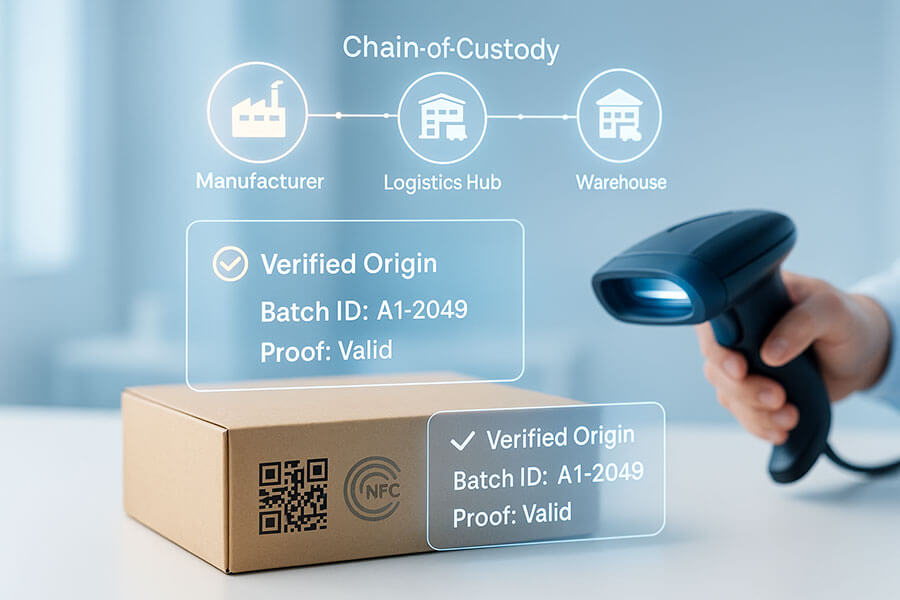
The global supply chain industry faces unprecedented challenges in ensuring product authenticity, maintaining ethical sourcing standards, and providing transparent tracking from manufacture to final delivery. Traditional supply chain management systems, while functional, often operate in silos with limited visibility across different stages of production and distribution. This fragmentation creates opportunities for counterfeit products to enter legitimate channels, makes it difficult to verify ethical sourcing claims, and leaves consumers uncertain about the true origin and journey of their purchases. Web3 supply chain transparency tools represent a revolutionary approach to these longstanding challenges, leveraging blockchain technology to create immutable, transparent, and secure records of every transaction and movement within the supply chain ecosystem.
The emergence of Web3 technologies has introduced a paradigm shift in how businesses approach supply chain management and transparency. Unlike conventional databases that can be altered or manipulated, blockchain-based systems provide a permanent, tamper-proof ledger of all supply chain activities. This technological advancement addresses critical pain points that have plagued industries for decades, from pharmaceutical companies struggling to prevent counterfeit medications from reaching patients to fashion brands working to prove their commitment to sustainable and ethical manufacturing practices. The decentralized nature of these systems ensures that no single entity can manipulate records, while cryptographic security measures protect sensitive business information from unauthorized access.
Web3 supply chain transparency tools go beyond simple tracking mechanisms to create comprehensive ecosystems where manufacturers, suppliers, distributors, retailers, and consumers can interact with confidence. These platforms utilize smart contracts to automate compliance verification, employ advanced cryptographic techniques to balance transparency with privacy, and integrate with existing enterprise systems to minimize disruption to established workflows. As businesses increasingly recognize the value of supply chain transparency for building consumer trust, meeting regulatory requirements, and improving operational efficiency, the adoption of these Web3 solutions continues to accelerate across industries ranging from food and agriculture to luxury goods and electronics manufacturing.
Understanding Web3 and Blockchain Technology in Supply Chains
Web3 represents the evolution of internet technology toward a decentralized architecture where users maintain control over their data and transactions occur without requiring trust in centralized intermediaries. In the context of supply chain management, this transformation means moving away from proprietary databases controlled by individual companies toward shared, distributed ledgers that all stakeholders can access and verify. The fundamental principle underlying Web3 supply chain solutions is that transparency and trust emerge from mathematical certainty and cryptographic proof rather than from faith in institutional authorities or corporate promises. This shift has profound implications for how products are tracked, authenticated, and verified throughout their journey from raw materials to end consumers.
The application of blockchain technology to supply chain management addresses several critical limitations of traditional systems. Conventional supply chains rely on paper documentation, centralized databases, and manual verification processes that are prone to errors, fraud, and manipulation. Each participant in the supply chain typically maintains their own records, leading to discrepancies, delays in information sharing, and difficulties in tracing products when issues arise. Blockchain technology eliminates these problems by creating a single source of truth that all authorized parties can access in real-time, with every transaction and data entry permanently recorded and linked to previous entries in an unbreakable chain of custody.
Core Blockchain Concepts for Supply Chain Management
The blockchain architecture that powers Web3 supply chain tools consists of several interconnected components that work together to ensure data integrity and transparency. At its most basic level, a blockchain is a distributed database that stores information in blocks that are cryptographically linked together in chronological order. Each block contains a collection of transactions or data entries, along with a unique identifier called a hash that is generated based on the block’s contents. When a new block is added to the chain, it includes the hash of the previous block, creating an immutable link that makes it computationally infeasible to alter historical records without detection. This structure ensures that once information about a product’s origin, movement, or characteristics is recorded on the blockchain, it becomes a permanent part of the supply chain’s historical record.
The distributed nature of blockchain networks means that copies of the entire ledger are maintained by multiple nodes spread across different geographic locations and controlled by different entities. This distribution serves several critical functions in supply chain management. First, it eliminates single points of failure that could compromise the entire system if a centralized database were to be hacked, corrupted, or taken offline. Second, it ensures that no single party can unilaterally alter records to hide quality issues, misrepresent product origins, or engage in other fraudulent activities. Third, it provides redundancy that ensures supply chain data remains accessible even if some nodes experience technical difficulties or are temporarily unavailable. The consensus mechanisms used by blockchain networks ensure that all nodes agree on the current state of the ledger, with sophisticated algorithms preventing malicious actors from introducing false information into the system.
The immutability characteristic of blockchain technology provides unprecedented assurance in supply chain documentation and product authentication. Once a manufacturer records the production of a batch of products on the blockchain, that information cannot be retroactively changed to hide defects, alter production dates, or misrepresent quantities. Similarly, when a shipment passes through customs or changes hands between suppliers and distributors, these events become permanent parts of the product’s digital history. This immutability extends to quality certifications, regulatory approvals, and sustainability credentials, ensuring that claims made about products can be verified against tamper-proof records. The transparency afforded by this system allows stakeholders to trace products back through every step of their journey, identifying the source of problems when recalls are necessary and verifying authenticity when counterfeit products are suspected.
Smart Contracts and Their Role in Supply Chain Transparency
Smart contracts represent programmable agreements that automatically execute when predetermined conditions are met, eliminating the need for manual intervention or third-party enforcement. In supply chain contexts, these self-executing contracts revolutionize how businesses manage relationships, ensure compliance, and facilitate transactions across complex networks of suppliers, manufacturers, and distributors. A smart contract might automatically release payment to a supplier when sensors confirm that goods have arrived at a warehouse in acceptable condition, or it might trigger quality assurance protocols when products move between different stages of production. This automation reduces administrative overhead, minimizes disputes over contract terms, and ensures that all parties adhere to agreed-upon standards and procedures.
The implementation of smart contracts in supply chain management extends far beyond simple payment automation to encompass sophisticated business logic that governs how products move through various stages of production and distribution. These contracts can enforce regulatory compliance by preventing products from advancing to the next stage unless required certifications are present on the blockchain. They can manage complex multi-party transactions where payment is contingent on multiple conditions being met by different stakeholders. Smart contracts also facilitate dynamic pricing models where costs adjust based on delivery times, quality metrics, or market conditions, with all calculations transparent and verifiable by relevant parties. The code governing these contracts is typically open to inspection by authorized stakeholders, ensuring that all parties understand and agree to the rules governing their interactions.
The integration of smart contracts with Internet of Things devices and sensors creates powerful capabilities for real-time supply chain monitoring and automated response to changing conditions. Temperature sensors in pharmaceutical cold chains can trigger smart contracts that flag shipments as compromised if storage conditions fall outside acceptable ranges, automatically initiating insurance claims and preventing potentially dangerous products from reaching consumers. Similarly, GPS tracking devices can update smart contracts with location information, triggering payments when goods cross predetermined geographic boundaries or alerting stakeholders when shipments deviate from planned routes. This combination of smart contracts and IoT technology creates self-managing supply chains that respond to events in real-time without requiring constant human oversight, while maintaining complete transparency and auditability of all actions taken.
The deployment of smart contracts in Web3 supply chain platforms provides a foundation for complex business arrangements that would be difficult or impossible to manage through traditional means. Multi-tier supplier agreements can be encoded with automatic revenue sharing based on contribution levels, quality metrics, or other performance indicators. Escrow arrangements can hold funds until multiple parties confirm that their obligations have been met, with automatic release or return of funds based on objective criteria recorded on the blockchain. Smart contracts also enable new business models such as fractional ownership of high-value goods during transit, dynamic insurance pricing based on real-time risk assessment, and automated carbon credit trading based on verified emissions data from supply chain operations.
How Web3 Supply Chain Transparency Tools Work
The operational framework of Web3 supply chain transparency tools involves sophisticated orchestration of multiple technologies and processes that work in concert to create comprehensive tracking and verification systems. These platforms begin by assigning unique digital identities to physical products or batches of products at the point of origin, whether that represents raw material extraction, agricultural harvest, or initial manufacturing processes. This digital identity, often represented as a non-fungible token or unique cryptographic hash, serves as an immutable anchor point that connects the physical item to its digital record throughout its entire lifecycle. The creation of this digital twin establishes the foundation for all subsequent tracking, verification, and authentication activities that occur as products move through the supply chain.
The data collection and recording processes employed by Web3 supply chain tools encompass both automated sensor readings and manual inputs from authorized participants, with sophisticated validation mechanisms ensuring data accuracy and preventing fraudulent entries. As products move through different stages of processing, transportation, and distribution, each interaction generates new data points that are added to the blockchain ledger. These might include quality inspection results, customs clearance documents, transfer of ownership records, storage condition logs, and final delivery confirmations. The system maintains cryptographic proof of who added each piece of information and when, creating an audit trail that regulatory authorities, business partners, and even end consumers can review to verify claims about product origin, quality, and handling.
Product Tracking from Manufacture to Delivery
The journey of product tracking in Web3 supply chain systems begins at the earliest stages of production, where raw materials or components receive their initial digital identities and blockchain entries. Manufacturers utilize various technologies to create unique identifiers for their products, ranging from QR codes and RFID tags to more sophisticated solutions like DNA marking for agricultural products or microscopic taggants for luxury goods. These physical markers are linked to blockchain records that contain comprehensive information about production batches, including timestamps, location data, equipment used, personnel involved, and quality control results. The granularity of this initial data capture establishes the foundation for supply chain transparency, as all subsequent claims about product authenticity and quality can be traced back to these verified origin points.
As products move from manufacturing facilities through various distribution channels, each transfer of custody generates new blockchain transactions that update the product’s digital record. Logistics providers scan products as they enter and exit warehouses, trucks, ships, and aircraft, creating an unbroken chain of custody that documents every step of the journey. These tracking updates include not just location and timestamp information but also environmental conditions during transport, handling procedures followed, and any inspections or interventions that occurred. The blockchain records create accountability at every stage, as each party handling the products must digitally sign their transactions, accepting responsibility for the accuracy of the information they provide and the condition of goods under their control.
The integration of Web3 supply chain tools with existing enterprise resource planning systems and logistics platforms ensures that tracking processes don’t create additional burden for supply chain participants. Modern platforms provide APIs and middleware solutions that automatically capture data from warehouse management systems, transportation management systems, and other operational tools already in use. This seamless integration means that workers continue using familiar interfaces and workflows while the blockchain platform operates in the background, recording and verifying all transactions. The result is comprehensive tracking coverage without requiring extensive retraining or process changes, accelerating adoption and ensuring consistent data capture across all supply chain participants.
Data Recording and Verification Mechanisms
The verification mechanisms employed by Web3 supply chain platforms utilize multiple layers of validation to ensure that only accurate, authorized information enters the blockchain ledger. Before any data is recorded, the platform verifies the identity and authorization level of the entity attempting to make the entry, using cryptographic signatures and role-based access controls to prevent unauthorized modifications. The system then validates the logical consistency of new data against existing records, flagging suspicious patterns such as products appearing in multiple locations simultaneously or moving faster than physically possible. These automated checks catch many errors and attempted fraud before incorrect information can be permanently recorded on the blockchain.
The consensus mechanisms that govern how new blocks are added to the blockchain provide an additional layer of verification that ensures all network participants agree on the current state of the supply chain. Different Web3 platforms employ various consensus algorithms optimized for supply chain use cases, balancing the need for transaction speed with security and decentralization requirements. Some platforms use proof of authority consensus where known, trusted entities validate transactions, while others employ more complex mechanisms that incentivize honest behavior through economic rewards and penalties. The consensus process ensures that even if individual bad actors attempt to introduce false information, the network as a whole rejects these attempts and maintains the integrity of the supply chain record.
The handling of data storage in Web3 supply chain systems involves sophisticated strategies that balance the need for transparency with practical constraints around data volume and privacy. While blockchain technology excels at storing transaction records and cryptographic proofs, storing large documents, images, or sensor data directly on-chain would be prohibitively expensive and inefficient. Modern platforms address this challenge through hybrid architectures that store essential transaction data and cryptographic hashes on the blockchain while maintaining detailed documentation, product images, and other large files in distributed storage systems like IPFS or private cloud repositories. The blockchain serves as an immutable index that points to these external resources, with cryptographic hashes ensuring that linked documents haven’t been altered since their original recording.
Key Features and Capabilities
Web3 supply chain transparency tools offer an extensive array of features that transform how businesses manage product authentication, ensure regulatory compliance, and build consumer trust. These platforms combine cutting-edge cryptographic techniques with practical business applications to create systems that are both technologically sophisticated and operationally accessible. The feature sets of modern Web3 supply chain solutions reflect years of development and refinement based on real-world deployment experiences across diverse industries, resulting in platforms that address specific pain points while remaining flexible enough to accommodate unique business requirements. The capabilities of these systems extend far beyond simple tracking to encompass predictive analytics, automated compliance reporting, and sophisticated risk management tools that help organizations optimize their supply chain operations while maintaining complete transparency.
The evolution of Web3 supply chain platforms has led to the development of specialized features tailored to different industry requirements and use cases. Pharmaceutical supply chains require features for managing drug pedigrees and ensuring compliance with regulations like the Drug Supply Chain Security Act, while food supply chains need capabilities for tracking temperature excursions and managing recall procedures. Luxury goods manufacturers focus on anti-counterfeiting features and brand protection, while electronics manufacturers prioritize features for managing complex multi-tier supplier networks and ensuring conflict mineral compliance. Modern platforms provide modular architectures that allow organizations to activate the specific features they need while maintaining interoperability with other supply chain participants using different feature sets.
Authentication and Anti-Counterfeiting Measures
The authentication capabilities of Web3 supply chain tools represent a quantum leap forward in the fight against counterfeit products, which cost the global economy hundreds of billions of dollars annually while posing serious risks to consumer safety. These platforms employ multiple layers of authentication technology that make it virtually impossible for counterfeiters to introduce fake products into legitimate supply chains. Physical authentication methods include tamper-evident packaging with blockchain-linked serial numbers, holographic security features that change based on blockchain data, and even molecular markers that can be verified through chemical analysis. When these physical security features are combined with blockchain’s immutable record-keeping, they create an authentication system that protects both businesses and consumers from the dangers of counterfeit products.
The implementation of non-fungible tokens as digital certificates of authenticity has revolutionized how high-value and luxury goods are authenticated and traded. Each genuine product receives a unique NFT that serves as its digital passport, containing verified information about its origin, materials, craftsmanship, and ownership history. These NFTs can include rich media such as high-resolution images, videos of the manufacturing process, and certificates from independent authenticators. When products change hands, the NFT transfers to the new owner, maintaining a complete chain of custody that enhances resale value and provides confidence to secondary market buyers. The NFT system also enables new business models such as fractional ownership of collectibles and verification services that help consumers authenticate products before purchase.
The integration of artificial intelligence and machine learning with blockchain-based authentication systems creates sophisticated pattern recognition capabilities that can identify counterfeit products even when physical security features are compromised. These AI systems analyze vast amounts of supply chain data to identify suspicious patterns such as unusual shipping routes, atypical ordering patterns, or products appearing in markets where they shouldn’t be sold. Machine learning algorithms continuously improve their detection capabilities by learning from confirmed counterfeit cases, while blockchain technology ensures that this intelligence is shared across the network to protect all participants. The combination of AI-powered detection and blockchain-based verification creates a dynamic defense system that evolves to counter new counterfeiting techniques as they emerge.
Privacy Protection for Competitive Information
The challenge of maintaining supply chain transparency while protecting competitive business information represents one of the most complex technical and business challenges addressed by Web3 platforms. Modern supply chain transparency tools employ sophisticated cryptographic techniques such as zero-knowledge proofs that allow parties to verify specific claims without revealing underlying data. For example, a manufacturer can prove that their products meet certain quality standards without revealing proprietary manufacturing processes, or a supplier can demonstrate compliance with sustainability requirements without disclosing their complete supplier network. These privacy-preserving technologies enable unprecedented transparency for regulatory compliance and consumer trust while maintaining the confidentiality that businesses require to remain competitive.
The implementation of selective disclosure mechanisms in Web3 supply chain platforms allows organizations to maintain granular control over who can access different types of information about their operations. Through sophisticated permission management systems, companies can grant customers visibility into product authenticity and ethical sourcing while restricting competitors’ access to supplier relationships and pricing information. Regulatory authorities might receive full access to compliance-related data while logistics partners only see information relevant to transportation and handling. This selective transparency is achieved through encryption and key management systems that ensure data remains secure even when stored on public blockchains, with only authorized parties possessing the cryptographic keys needed to decrypt specific information.
The use of private channels and sidechains within Web3 supply chain ecosystems provides additional layers of privacy protection for sensitive business operations. These private channels allow subset groups of supply chain participants to conduct transactions and share information without exposing details to the broader network. For example, a manufacturer and their tier-one suppliers might operate a private channel for managing proprietary component specifications while still contributing aggregated data to the public blockchain for transparency purposes. The cryptographic proofs generated in these private channels can be anchored to public blockchains to ensure immutability and prevent disputes, creating a hybrid model that balances transparency with privacy. Advanced implementations also utilize secure multi-party computation protocols that allow multiple parties to jointly compute functions over their combined data without revealing their individual inputs, enabling collaborative supply chain optimization while maintaining competitive confidentiality.
Real-World Applications and Case Studies
The practical implementation of Web3 supply chain transparency tools has moved far beyond pilot programs and proof-of-concept demonstrations to become integral components of global supply chain operations. Major corporations across diverse industries have deployed these systems at scale, processing millions of transactions and tracking billions of dollars worth of products annually. These real-world deployments provide valuable insights into both the transformative potential of blockchain-based supply chain management and the practical challenges that organizations face during implementation. The case studies from these deployments demonstrate measurable returns on investment through reduced counterfeiting losses, improved operational efficiency, faster recall responses, and enhanced brand value from increased consumer trust.
The pharmaceutical industry has emerged as a leading adopter of Web3 supply chain transparency tools, driven by stringent regulatory requirements and the life-or-death importance of preventing counterfeit medications from reaching patients. In 2023, Merck KGaA expanded its blockchain-based track and trace system across its entire oncology drug portfolio, working with SAP’s blockchain platform to create end-to-end visibility from active pharmaceutical ingredient synthesis through to patient delivery. The system processes over 50,000 serialization events daily, with each package receiving a unique cryptographic identifier that pharmacists and patients can verify through a mobile application. By Q3 2024, the platform had prevented seventeen attempts to introduce counterfeit products into the legitimate supply chain, with suspicious products identified through anomaly detection algorithms that spotted irregular movement patterns and authentication failures. The system has also reduced the time required for targeted drug recalls from an average of 6 days to under 24 hours, potentially saving lives by quickly removing compromised products from distribution channels.
The food and agriculture sector has witnessed remarkable success with Web3 supply chain implementations that address food safety, sustainability claims, and supply chain efficiency. Walmart’s comprehensive blockchain tracking system, developed in partnership with IBM Food Trust, now covers over 500 fresh produce SKUs across their North American operations as of January 2024. The system tracks products from over 100 farms through processing facilities, distribution centers, and into retail stores, with each step recorded on the Hyperledger Fabric blockchain. When romaine lettuce contamination led to an E. coli outbreak in late 2023, Walmart’s blockchain system enabled them to identify the specific farms involved within 2.2 seconds, compared to the 7 days such tracing typically required before blockchain implementation. The platform processes approximately 8 million tracking events weekly and has reduced food waste by 15 percent through improved inventory visibility and predictive analytics that optimize distribution routing based on product freshness data.
The luxury goods and fashion industry has embraced Web3 supply chain tools as essential weapons in the battle against counterfeiting while simultaneously addressing growing consumer demands for sustainability transparency. LVMH’s Aura Blockchain Consortium, which launched publicly in 2022, had grown to encompass over 40 luxury brands by late 2024, including competitors who recognize the value of collaboration in establishing industry-wide authentication standards. The platform has registered over 60 million luxury products on its blockchain, with each item receiving a digital certificate that consumers can access through NFC tags embedded in products. Prada’s 2024 sustainability collection utilized the Aura platform to provide complete transparency about material sourcing, with blockchain records documenting the journey of organic cotton from certified farms in India through textile production in Italy to final assembly in their Romanian facilities. Consumer engagement data shows that 73 percent of customers who purchased from this collection accessed the blockchain transparency features, with post-purchase surveys indicating a 28 percent increase in brand trust scores compared to traditional product lines.
Benefits and Challenges
The implementation of Web3 supply chain transparency tools delivers transformative benefits that extend across entire value chains while simultaneously presenting significant challenges that organizations must navigate carefully. The advantages of these systems have been validated through numerous real-world deployments that demonstrate measurable improvements in operational efficiency, regulatory compliance, brand protection, and stakeholder trust. Organizations that have successfully implemented blockchain-based supply chain solutions report return on investment periods ranging from 18 to 36 months, with ongoing benefits that compound as network effects increase and more supply chain partners join the ecosystem. However, the path to successful implementation requires careful planning, substantial investment, and organizational change management to overcome technical, operational, and cultural obstacles that can derail blockchain initiatives.
The comprehensive nature of benefits delivered by Web3 supply chain platforms reflects their ability to address multiple pain points simultaneously while creating new opportunities for value creation and competitive differentiation. These systems don’t simply digitize existing processes but fundamentally reimagine how supply chains operate, enabling new business models and collaborative arrangements that were previously impossible. The transparency and trust enabled by blockchain technology reduce the friction costs associated with verifying claims, conducting due diligence, and managing multi-party transactions, freeing resources for innovation and growth. Additionally, the data generated by these platforms provides unprecedented insights into supply chain operations, enabling advanced analytics and artificial intelligence applications that optimize performance across multiple dimensions.
Advantages for Different Stakeholders
Manufacturers leveraging Web3 supply chain transparency tools gain powerful capabilities for protecting their brand value and intellectual property while streamlining operations and reducing costs. The immutable record-keeping provided by blockchain platforms creates indisputable proof of product authenticity, manufacturing quality, and supply chain custody that protects against counterfeiting and gray market diversion. This authentication capability becomes particularly valuable in industries where counterfeit products pose safety risks or significantly impact brand reputation. Manufacturers also benefit from automated compliance reporting that reduces the administrative burden of meeting regulatory requirements across multiple jurisdictions, with blockchain records serving as authoritative documentation for audits and inspections. The operational efficiencies gained through smart contract automation of routine transactions, combined with improved demand forecasting based on real-time supply chain visibility, contribute to cost reductions that offset the investment required for blockchain implementation.
Retailers and distributors experience transformative improvements in inventory management, risk mitigation, and customer satisfaction through Web3 supply chain transparency tools. The real-time visibility provided by blockchain tracking enables just-in-time inventory strategies that reduce carrying costs while preventing stockouts of popular items. When product recalls occur, retailers can instantly identify affected inventory and remove it from shelves, protecting customers and minimizing liability exposure. The authentication capabilities of blockchain platforms also allow retailers to offer premium services such as product provenance verification and authenticity guarantees that command higher prices and build customer loyalty. The transparency of blockchain-based supply chains helps retailers meet growing consumer demands for ethical sourcing and sustainability information, with verifiable data about labor practices, environmental impact, and material origins that support corporate social responsibility initiatives.
Consumers represent perhaps the greatest beneficiaries of Web3 supply chain transparency, gaining unprecedented ability to verify product claims and make informed purchasing decisions based on accurate information. Through mobile applications and web interfaces, consumers can scan product codes to access complete histories that verify authenticity, confirm ethical sourcing claims, and provide transparency about environmental impact. This information empowers consumers to vote with their wallets for products that align with their values, driving positive change throughout supply chains as businesses compete on transparency and sustainability metrics. The authentication capabilities of blockchain platforms provide peace of mind when purchasing high-value items, medications, or food products where counterfeiting poses serious risks, while the immutable record-keeping ensures that warranty claims and product returns are processed fairly based on verifiable ownership and purchase history.
Implementation Challenges and Solutions
The technical complexity of implementing Web3 supply chain solutions presents significant challenges that require careful planning and specialized expertise to overcome. Organizations must navigate decisions about blockchain platform selection, consensus mechanisms, data architecture, and integration approaches that have long-term implications for system performance and scalability. The lack of established standards for blockchain-based supply chain management means that early adopters face risks of choosing technologies that may not achieve widespread adoption or maintain long-term viability. Legacy system integration poses particular challenges, as many organizations operate decades-old enterprise resource planning systems that weren’t designed to interface with blockchain platforms. Successful implementations typically require phased approaches that begin with pilot programs in limited supply chain segments before expanding to full-scale deployment, allowing organizations to learn and adapt while minimizing risk.
The organizational and cultural changes required for successful Web3 supply chain implementation often prove more challenging than the technical aspects. Supply chain transparency initiatives require unprecedented levels of collaboration and data sharing between organizations that may have historically viewed information as a competitive advantage to be closely guarded. Convincing suppliers, particularly smaller organizations with limited technical resources, to participate in blockchain ecosystems requires education, incentives, and sometimes direct support for technology adoption. Internal resistance from employees who fear that automation and transparency might eliminate their roles must be addressed through training programs that help workers develop new skills for managing and analyzing blockchain-based supply chain systems. Change management strategies that emphasize the benefits of transparency for all stakeholders, combined with governance structures that ensure fair value distribution, prove essential for building the broad coalitions necessary for successful blockchain supply chain implementations.
The economic considerations of Web3 supply chain deployment require careful cost-benefit analysis and strategic investment planning. Initial implementation costs can be substantial, including blockchain platform licensing, system integration, hardware upgrades for IoT sensors and scanning equipment, and training for personnel. Ongoing operational costs include transaction fees for blockchain operations, data storage costs for maintaining comprehensive supply chain records, and technical support for ensuring system reliability. Organizations must also consider the opportunity costs of allocating resources to blockchain initiatives rather than other digital transformation projects. Successful implementations typically identify specific use cases where blockchain technology provides clear value propositions, such as high-value product authentication or regulatory compliance, and use the returns from these initial applications to fund broader deployment. Collaborative funding models where multiple supply chain partners share implementation costs and benefits have proven effective for reducing individual organization risk while accelerating adoption.
The resolution of interoperability challenges between different blockchain platforms and standards represents a critical factor for achieving the full potential of Web3 supply chain transparency. As different industries and regions adopt various blockchain solutions, the lack of standardization creates silos that limit the seamless flow of information across global supply chains. Industry initiatives such as the IEEE Standards Association’s blockchain standards development and the ISO/TC 307 blockchain and distributed ledger technologies committee work toward establishing common frameworks for data formats, communication protocols, and smart contract interfaces. Meanwhile, technological solutions such as blockchain bridges and interoperability protocols enable communication between different platforms, though these add complexity and potential security vulnerabilities. Organizations implementing Web3 supply chain solutions must carefully consider interoperability requirements and favor platforms that demonstrate commitment to open standards and cross-chain compatibility.
Final Thoughts
The transformation of global supply chains through Web3 transparency tools represents far more than a technological upgrade; it embodies a fundamental shift in how businesses, consumers, and societies approach trust, accountability, and value creation in commerce. As these blockchain-based systems mature from experimental technologies to essential infrastructure, they are reshaping competitive dynamics across industries and creating new paradigms for stakeholder collaboration. The convergence of blockchain technology with artificial intelligence, Internet of Things sensors, and advanced analytics promises to unlock capabilities that will make today’s most sophisticated supply chain systems seem primitive by comparison. This technological revolution arrives at a critical moment when consumers increasingly demand transparency about product origins and environmental impact, regulators require more stringent compliance documentation, and businesses seek resilience against disruptions that have exposed the fragility of traditional supply chain models.
The societal implications of widespread Web3 supply chain adoption extend into realms of social justice, environmental protection, and economic development that transcend pure business considerations. These tools provide mechanisms for ensuring fair labor practices throughout global supply chains, enabling consumers and advocacy groups to verify that products are manufactured without child labor or unsafe working conditions. Small farmers and artisanal producers in developing countries gain access to global markets through blockchain platforms that provide trusted documentation of organic certification, fair trade compliance, and product quality without requiring expensive intermediaries. The transparency enabled by these systems supports circular economy initiatives by tracking materials through multiple use cycles, facilitating recycling and remanufacturing processes that reduce environmental impact while creating economic value from waste streams.
The intersection of Web3 supply chain transparency with broader digital transformation initiatives creates synergistic opportunities for innovation and value creation. As organizations digitize their operations and adopt cloud computing, artificial intelligence, and automation technologies, blockchain-based supply chain platforms serve as trusted data foundations that ensure the integrity of information flowing through these systems. The combination of blockchain’s immutable record-keeping with AI’s pattern recognition capabilities enables predictive maintenance programs that prevent equipment failures before they disrupt supply chains, demand forecasting systems that reduce waste through more accurate production planning, and risk management platforms that identify potential disruptions before they cascade through supplier networks. These integrated digital ecosystems represent the future of supply chain management, where transparency serves not as an end goal but as an enabler for continuous optimization and innovation.
The path forward for Web3 supply chain transparency tools requires continued collaboration between technology providers, industry stakeholders, regulatory bodies, and standards organizations to address remaining challenges and unlock the full potential of these systems. Technical standards for interoperability between different blockchain platforms must be established and adopted to prevent fragmentation that limits the value of transparency initiatives. Regulatory frameworks need to evolve to recognize blockchain records as legally authoritative documentation while protecting privacy rights and preventing anti-competitive behavior. Educational programs must prepare the workforce for careers in blockchain-enabled supply chain management, ensuring that human expertise keeps pace with technological advancement. Investment in infrastructure, particularly in developing regions where supply chain transparency can have the greatest social impact, requires coordinated efforts from public and private sectors to ensure that the benefits of these technologies are broadly distributed rather than concentrated among already-advantaged participants.
FAQs
- What exactly are Web3 supply chain transparency tools and how do they differ from traditional tracking systems?
Web3 supply chain transparency tools are blockchain-based platforms that create immutable, distributed records of product movements and transactions throughout supply chains. Unlike traditional tracking systems that rely on centralized databases controlled by single entities, Web3 tools use decentralized networks where multiple participants maintain synchronized copies of all records. This fundamental difference ensures that no single party can alter historical data, providing unprecedented trust and transparency while eliminating the vulnerabilities associated with centralized systems that can be hacked, corrupted, or manipulated. - How much does it typically cost to implement a Web3 supply chain transparency system?
Implementation costs for Web3 supply chain systems vary significantly based on scope, complexity, and existing infrastructure, typically ranging from $100,000 for basic pilot programs to several million dollars for enterprise-wide deployments. Initial expenses include blockchain platform licensing, system integration, IoT hardware for tracking, and employee training, while ongoing costs encompass transaction fees, data storage, and technical support. Most organizations report achieving positive return on investment within 18 to 36 months through reduced counterfeiting losses, improved operational efficiency, and enhanced brand value from increased consumer trust. - Can small and medium-sized businesses afford to implement these blockchain-based supply chain solutions?
Small and medium-sized businesses can access Web3 supply chain transparency through various affordable options, including consortium-based platforms where costs are shared among participants and software-as-a-service models that eliminate large upfront investments. Many technology providers offer scaled solutions designed specifically for SMBs, with modular features that allow companies to start with basic tracking capabilities and expand functionality as budgets permit. Additionally, some industry associations and government programs provide grants or subsidies to help smaller businesses adopt blockchain technology for supply chain transparency. - What happens if suppliers or partners in my supply chain refuse to adopt blockchain technology?
Organizations facing resistance from supply chain partners typically employ gradual adoption strategies that demonstrate value while minimizing disruption to existing relationships. Initial approaches include offering incentives such as preferred vendor status or volume commitments to early adopters, providing technical support and training to help partners overcome implementation barriers, and starting with voluntary participation in pilot programs that showcase benefits. As blockchain adoption reaches critical mass within industries, network effects create natural pressure for holdouts to participate or risk being excluded from major supply chains that require transparency. - How do Web3 supply chain tools protect sensitive business information while maintaining transparency?
Modern Web3 platforms employ sophisticated cryptographic techniques including zero-knowledge proofs and selective disclosure mechanisms that allow verification of specific claims without revealing underlying data. Companies maintain granular control over information access through encryption and permission management systems, granting different visibility levels to various stakeholders such as full access for regulators, limited views for business partners, and authenticated product information for consumers. Private channels and sidechains enable confidential transactions between specific parties while still anchoring proof of these activities to public blockchains for immutability and dispute resolution. - What types of products or industries benefit most from blockchain-based supply chain tracking?
High-value products vulnerable to counterfeiting such as pharmaceuticals, luxury goods, and electronics derive immediate benefits from blockchain authentication, while products with complex supply chains like automobiles and aerospace components gain value from multi-tier supplier transparency. Industries facing strict regulatory requirements including food safety, medical devices, and chemicals benefit from automated compliance reporting and audit trails, while products marketed on sustainability or ethical sourcing claims such as organic foods, conflict-free minerals, and fair trade goods leverage blockchain verification to build consumer trust and command premium prices. - How can consumers access and verify product information stored on blockchain supply chain platforms?
Consumers typically access blockchain-stored product information through mobile applications that scan QR codes, NFC tags, or other identifiers attached to products, instantly displaying authentication results and supply chain history. Many platforms provide web-based interfaces where consumers can enter serial numbers or batch codes to retrieve detailed information about product origins, manufacturing dates, and journey through the supply chain. Advanced implementations integrate with augmented reality applications that overlay transparency information when consumers point their phone cameras at products, making verification seamless and engaging. - What happens when products tracked on blockchain are recalled or found to be defective?
Blockchain-based supply chain systems dramatically improve recall effectiveness by enabling instant identification of affected products throughout the distribution network, with some implementations reducing recall response time from days to minutes. Smart contracts can automatically trigger recall procedures when quality issues are detected, notifying all parties holding affected inventory and preventing further sales through point-of-sale system integration. The immutable audit trail created by blockchain platforms provides clear documentation for regulatory compliance and liability determination, while transparency about recall handling helps maintain consumer trust even when problems occur. - How do Web3 supply chain platforms handle international transactions across different regulatory jurisdictions?
Web3 platforms facilitate international trade by providing standardized, cryptographically verified documentation that regulatory authorities across different jurisdictions can trust, reducing delays and disputes at border crossings. Smart contracts automatically enforce compliance with various regulatory requirements by preventing products from advancing through supply chains unless necessary certifications and approvals are present on the blockchain. Many platforms incorporate regulatory rules engines that adapt documentation and compliance procedures based on origin and destination countries, while maintaining immutable records that satisfy audit requirements across multiple jurisdictions simultaneously. - What is the environmental impact of running blockchain-based supply chain systems?
Modern Web3 supply chain platforms utilize energy-efficient consensus mechanisms such as proof of authority or proof of stake that consume far less electricity than early blockchain implementations like Bitcoin mining. The environmental benefits of improved supply chain efficiency, reduced waste from better inventory management, and decreased transportation from optimized routing typically outweigh the energy costs of blockchain operations. Additionally, blockchain transparency enables better tracking and verification of carbon emissions throughout supply chains, supporting sustainability initiatives and helping organizations meet environmental targets through data-driven optimization.