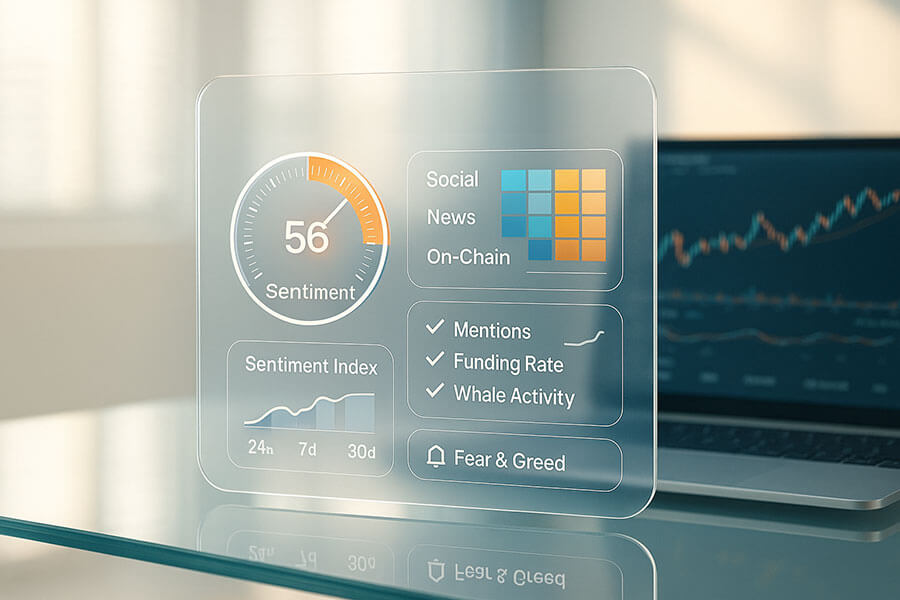
The cryptocurrency market operates unlike any traditional financial market in human history. Price swings of ten, twenty, or even fifty percent within a single day are not anomalies but regular occurrences that define the crypto trading landscape. This extreme volatility creates both extraordinary opportunities and devastating risks for traders and investors who must navigate an ecosystem where fortunes can materialize or evaporate within hours. Understanding what drives these dramatic price movements has become essential for anyone seeking to participate successfully in cryptocurrency markets.
Traditional financial analysis tools developed for stocks, bonds, and commodities often fall short when applied to cryptocurrencies. Technical indicators and fundamental analysis, while still valuable, cannot fully explain or predict the unique price dynamics that characterize digital assets. The crypto market responds with unusual sensitivity to factors that would barely register in traditional markets including social media trends, influencer statements, online community sentiment, and viral narratives that spread instantaneously across global networks. A single tweet from a prominent figure can trigger billion-dollar market movements, while shifts in Reddit forum discussions can precede major price rallies or crashes by hours or days.
This reality has given rise to cryptocurrency market sentiment analysis tools, sophisticated platforms that aggregate and analyze vast quantities of data from social media, news sources, online communities, and blockchain networks to gauge collective market psychology. These tools represent a fundamental innovation in how traders approach decision-making, moving beyond traditional price charts and volume indicators to incorporate the emotional and psychological dimensions that disproportionately influence cryptocurrency valuations. By processing millions of social media posts, news articles, forum discussions, and on-chain transactions, sentiment analysis platforms attempt to quantify the intangible feelings of fear, greed, excitement, and panic that drive crypto market behavior.
The emergence of these tools addresses a critical challenge facing modern crypto traders. The sheer volume of information flowing through cryptocurrency channels has become impossible for any individual to process manually. Twitter alone sees hundreds of thousands of crypto-related posts daily, while Reddit’s cryptocurrency subreddits generate continuous streams of discussions, analyses, and debates. Telegram groups and Discord servers host real-time conversations involving millions of participants. Traditional and cryptocurrency-specific media outlets publish thousands of articles weekly. Blockchain networks themselves generate constant streams of transaction data that offer insights into investor behavior. No human trader can possibly monitor, analyze, and synthesize all these information sources while simultaneously executing trades and managing risk.
Sentiment analysis tools emerged as the solution to this information overload problem, employing artificial intelligence, natural language processing, and advanced data analytics to automate the monitoring and interpretation of market sentiment signals. These platforms can track sentiment across dozens of cryptocurrencies simultaneously, identify emerging trends before they reach mainstream awareness, detect shifts in community mood that often precede price movements, and provide traders with actionable intelligence that would be impossible to gather through manual research. The tools have evolved from simple keyword tracking systems into sophisticated analytical platforms that can distinguish genuine sentiment shifts from bot-generated noise, identify influential voices whose opinions move markets, and predict potential price movements by detecting patterns in collective psychology.
The democratizing impact of sentiment analysis tools cannot be overstated. Previously, access to comprehensive market intelligence required either insider connections within crypto communities or expensive institutional research services. Individual traders operating from anywhere in the world now have access to the same sentiment data and analytical capabilities that were once exclusive to well-funded trading firms and hedge funds. This leveling of the information playing field represents a fundamental shift in how cryptocurrency markets operate, enabling more informed decision-making across a broader spectrum of participants while potentially reducing the advantages enjoyed by institutional players.
Understanding cryptocurrency market sentiment analysis tools requires examining both the technological innovations that make them possible and the practical applications that make them valuable. The journey from raw data collection through processing, analysis, and ultimately actionable trading insights involves complex systems that blend computer science, psychology, economics, and domain expertise in ways that continue to evolve as both cryptocurrency markets and analytical technologies advance.
Understanding Cryptocurrency Market Sentiment
Market sentiment in cryptocurrency contexts refers to the aggregate emotional and psychological state of market participants as reflected in their communications, behaviors, and trading activities. Unlike traditional markets where sentiment develops gradually through quarterly earnings reports, economic indicators, and analyst recommendations, cryptocurrency sentiment can shift dramatically within minutes based on social media trends, influencer statements, or viral narratives that spread through online communities. This fundamental difference makes understanding and measuring crypto sentiment both more important and more challenging than in traditional financial markets.
The outsized influence of sentiment on cryptocurrency prices stems from several unique characteristics of digital asset markets. Cryptocurrencies lack the intrinsic valuation anchors that constrain traditional asset prices including corporate earnings, dividend yields, physical assets, or government backing. Without these fundamental value references, cryptocurrency valuations become heavily influenced by collective beliefs about future adoption, technological potential, and narrative strength rather than quantifiable financial metrics. When market participants collectively believe a cryptocurrency will increase in value, that belief itself can become self-fulfilling as buying pressure drives prices higher, which attracts more buyers in a momentum-driven cycle that characterizes many crypto rallies.
The global, always-on nature of cryptocurrency markets amplifies sentiment effects in ways impossible in traditional markets. Unlike stock exchanges that close overnight and on weekends, cryptocurrency markets operate continuously across all time zones without interruption. News, rumors, or sentiment shifts can trigger immediate price responses at any hour, and momentum can build rapidly without the natural cooling-off periods that exchange closures provide traditional markets. This continuous operation means sentiment can compound and accelerate more quickly, leading to the extreme price volatility that defines cryptocurrency trading.
What Drives Crypto Market Sentiment
Social media platforms have emerged as the primary drivers of cryptocurrency market sentiment, functioning as real-time forums where millions of traders, investors, and enthusiasts share opinions, analyses, and reactions to market developments. Twitter has become particularly influential in crypto circles, where prominent figures including executives, developers, analysts, and even celebrities command audiences of millions who closely monitor their statements about specific cryptocurrencies or market conditions generally. The platform’s viral nature means that messages can spread to vast audiences within minutes, creating sentiment cascades where initial posts trigger responses, retweets, and derivative discussions that amplify the original signal many times over.
Individual influencers wield disproportionate power over cryptocurrency sentiment due to the cult-like followings that develop around certain personalities in crypto communities. When prominent figures express bullish or bearish views on specific cryptocurrencies, their statements can trigger measurable price movements as followers adjust their positions based on these opinions. This influence extends beyond mere expression of views to include more subtle signals like which projects influencers choose to discuss, which tokens they mention holding, or which developments they highlight as significant. Sentiment analysis tools track these influential figures specifically, recognizing that their communications carry more market-moving weight than the average user’s posts.
Regulatory developments represent another critical driver of cryptocurrency sentiment, with news about government actions, proposed legislation, or enforcement activities capable of triggering dramatic sentiment shifts. Positive regulatory developments such as approval of cryptocurrency exchange-traded funds, clarification of favorable tax treatment, or government adoption of blockchain technology generate optimistic sentiment that often precedes price rallies. Conversely, regulatory crackdowns, exchange restrictions, or government warnings about cryptocurrency risks can trigger fear and pessimism that precipitate sharp price declines. The global nature of cryptocurrency means regulatory news from any major economy can influence worldwide sentiment, though developments in the United States, European Union, and China tend to carry particularly significant weight.
Technological developments within cryptocurrency projects and the broader blockchain ecosystem shape sentiment by influencing perceptions about the future utility and adoption potential of specific cryptocurrencies. Major network upgrades, new partnership announcements, successful protocol implementations, or breakthroughs in solving technical challenges generate positive sentiment by suggesting progress toward mainstream adoption. Security breaches, network failures, development delays, or technical vulnerabilities trigger negative sentiment by raising doubts about project viability and safety. Sentiment analysis tools monitor developer communications, GitHub activity, network metrics, and technical discussions to identify these developments before they reach mainstream awareness.
Macroeconomic conditions increasingly influence cryptocurrency sentiment as digital assets become more integrated with traditional financial markets. Interest rate decisions, inflation data, stock market movements, and currency fluctuations affect cryptocurrency sentiment by shaping broader risk appetite and investment flows. During periods of economic uncertainty, sentiment may turn positive toward cryptocurrencies as alternative stores of value, while during risk-off environments, sentiment may deteriorate as investors retreat to traditional safe havens. This growing correlation between cryptocurrency sentiment and traditional market dynamics represents an evolution from earlier years when crypto markets operated more independently from conventional financial forces.
The Psychology of Crypto Trading
Behavioral economics principles manifest with particular intensity in cryptocurrency markets where the combination of high volatility, continuous trading, and social media amplification creates conditions that trigger powerful psychological responses. Fear of missing out, commonly abbreviated as FOMO, describes the anxiety traders experience when watching cryptocurrency prices rise rapidly without holding positions in those assets. This psychological pressure drives irrational buying behavior where traders purchase cryptocurrencies at peak prices driven by emotion rather than analysis, often entering positions just before corrections that result in significant losses. Sentiment analysis tools attempt to identify periods of extreme FOMO by measuring the intensity and tone of social media discussions, with highly euphoric sentiment often signaling dangerous overheated conditions.
Fear, uncertainty, and doubt, collectively known as FUD in cryptocurrency communities, represents the psychological opposite of FOMO where negative information, concerns, or rumors trigger panic selling and pessimistic outlooks. FUD can be either organic, emerging naturally from legitimate concerns about project developments or market conditions, or manufactured, deliberately spread by parties seeking to manipulate prices downward or damage competing projects. The challenge for traders involves distinguishing between justified concerns that warrant defensive positioning and overblown fears that create buying opportunities when prices decline excessively. Sentiment analysis platforms help traders navigate this distinction by quantifying the severity and spread of negative sentiment while comparing current fear levels to historical patterns.
Herd mentality effects operate with particular force in cryptocurrency markets where social reinforcement through online communities creates strong pressures toward conformity in both beliefs and actions. When large numbers of traders collectively adopt similar views about market direction or specific cryptocurrencies, individual traders face psychological pressure to align their positions with the crowd even when their independent analysis suggests different conclusions. This herd behavior amplifies both rallies and crashes as momentum builds through self-reinforcing cycles where rising prices attract more buyers who drive prices higher still, while falling prices trigger more selling that accelerates declines. Breaking free from herd mentality requires conscious effort and analytical tools that provide objective assessments of sentiment extremes.
The cycle of greed and fear that characterizes financial markets throughout history operates in compressed timeframes within cryptocurrency trading. Bull markets generate increasing greed as traders become convinced that prices will continue rising indefinitely, leading to increasingly risky behaviors including excessive leverage, neglect of risk management, and dismissal of warning signs that would trigger caution in calmer environments. Bear markets trigger corresponding fear where traders become convinced that prices will continue falling forever, leading to capitulation selling, abandonment of cryptocurrencies entirely, and dismissal of positive developments that might signal market bottoms. Sentiment analysis tools help traders identify these emotional extremes by measuring sentiment indicators against historical ranges, with extremely positive sentiment often signaling greed-driven tops while extremely negative sentiment may indicate fear-driven bottoms.
Cryptocurrency market sentiment measurement must account for these psychological dynamics that operate differently than in traditional markets. The relatively young age of crypto markets, the predominance of retail rather than institutional participants, the anonymity of online communications, and the viral nature of social media create conditions where emotional contagion spreads more rapidly and intensely than in conventional financial markets. Understanding these psychological factors provides essential context for interpreting sentiment data and recognizing when collective emotions have reached extremes that typically precede major reversals in market direction.
Key Data Sources for Sentiment Analysis
Cryptocurrency sentiment analysis platforms derive their insights from diverse data sources that collectively provide comprehensive views of market psychology and participant behavior. The quality, breadth, and timeliness of these data sources determine the effectiveness of sentiment analysis tools in identifying actionable trading signals before they become reflected in price movements. Understanding the major data categories and their relative significance helps traders evaluate different sentiment analysis platforms and interpret the signals these tools generate.
The integration of multiple data sources represents a critical advantage of modern sentiment analysis platforms over manual monitoring approaches. Social media provides real-time insight into community discussions and emotional tone, news sources offer context about developments that might influence sentiment, on-chain data reveals actual participant behavior through blockchain transactions, and price-volume data shows how sentiment translates into market action. Combining these diverse information streams enables sentiment analysis tools to distinguish genuine sentiment shifts from noise, identify the strength and persistence of emotional trends, and generate more reliable predictions about future price movements than any single data source could provide independently.
Social Media and Community Platforms
Twitter has established itself as the primary social media platform for cryptocurrency discussions, functioning as a global town square where traders, developers, investors, analysts, and enthusiasts share opinions, news, analyses, and reactions in real-time. The platform’s character limit encourages concise expression that often carries emotional intensity, while its retweet and reply features enable rapid viral spread of influential messages. Sentiment analysis tools monitor millions of cryptocurrency-related tweets daily, employing natural language processing algorithms to classify messages as bullish, bearish, or neutral while weighting them based on author influence, engagement levels, and content quality. The platform’s API access enables automated data collection at scale, though recent policy changes have created challenges for some sentiment analysis providers.
Reddit represents another crucial source of cryptocurrency sentiment data through its numerous cryptocurrency-focused subreddits that host detailed discussions, technical analyses, and community debates. Unlike Twitter’s brevity, Reddit enables longer-form content where users share detailed reasoning, post comprehensive analyses, and engage in threaded discussions that reveal nuanced sentiment perspectives. Major subreddits like r/CryptoCurrency, r/Bitcoin, and r/ethereum contain millions of members whose posts and comments provide rich sentiment data. Reddit’s voting system where users upvote or downvote content provides additional sentiment signals by revealing which messages resonate with broader communities. Sentiment analysis tools scrape Reddit data to identify trending topics, measure comment sentiment, and track how discussions evolve over time as market conditions change.
Telegram and Discord have emerged as important community platforms where cryptocurrency projects maintain official channels and traders organize private groups for discussion and collaboration. These platforms host real-time conversations that often precede broader social media discussions, making them valuable for identifying emerging sentiment trends. Telegram particularly has become ubiquitous in cryptocurrency communities, with many projects maintaining channels that attract tens or hundreds of thousands of members. Discord offers similar functionality with added features for organizing communities into topic-specific channels and voice communications. Sentiment analysis tools face challenges accessing these platforms due to privacy settings and API limitations, but monitoring public channels provides valuable early indicators of sentiment shifts within dedicated communities.
YouTube content creators produce extensive cryptocurrency-related videos that influence sentiment through market analyses, project reviews, news coverage, and educational content. Popular cryptocurrency YouTube channels command audiences of hundreds of thousands or millions of subscribers who regularly consume their content and often make trading decisions based on opinions expressed in videos. Sentiment analysis tools employ speech recognition and natural language processing to analyze video transcripts, identifying the overall tone, specific cryptocurrency mentions, and prediction directions expressed by creators. Video engagement metrics including views, likes, comments, and sharing behavior provide additional sentiment indicators by revealing audience responses to content.
Specialized cryptocurrency forums including BitcoinTalk, cryptocurrency-specific Discord servers, and project-specific community platforms host detailed technical discussions and sentiment expressions from deeply engaged community members. These platforms attract hardcore enthusiasts and early adopters whose sentiment may presage broader market movements as information diffuses from specialized communities to mainstream audiences. Forum sentiment often reflects more considered opinions than the rapid reactions typical of Twitter, providing complementary sentiment data that captures deeper analysis and longer-term perspectives. Sentiment analysis platforms that monitor these specialized sources gain advantages in identifying emerging narratives before they reach mass awareness.
On-Chain Data and Network Metrics
Blockchain transaction data provides objective behavioral evidence that complements subjective sentiment expressed through social media and news sources. On-chain metrics reveal what cryptocurrency holders actually do with their assets rather than what they say they intend to do, offering insights into conviction levels that may contradict expressed sentiment. Large transaction volumes might indicate strong conviction whether bullish or bearish, while declining transaction activity could signal waning interest or growing uncertainty. Sentiment analysis platforms that integrate on-chain data with social sentiment create more comprehensive pictures of market psychology by combining expressed opinions with revealed behaviors.
Exchange flow data tracking the movement of cryptocurrencies to and from trading platforms provides particularly valuable sentiment indicators. Large transfers from personal wallets to exchanges typically signal selling intent as holders move assets to platforms where they can be traded, suggesting bearish sentiment or profit-taking behavior. Conversely, withdrawals from exchanges to personal wallets indicate holders choosing to store cryptocurrencies for longer-term holding rather than trading, suggesting bullish sentiment and conviction about future price appreciation. Sentiment analysis tools monitor these flows across major exchanges, identifying accumulation or distribution patterns that often precede or confirm price movements.
Active address counts measuring how many unique blockchain addresses conduct transactions during specific periods reveal the breadth of network participation and can indicate growing or diminishing interest in particular cryptocurrencies. Rising active addresses suggest expanding user bases and increasing adoption that typically generates positive sentiment, while declining active addresses may signal waning interest that precedes negative sentiment. These metrics provide objective measures of network vitality that complement subjective sentiment expressions, helping traders distinguish between noise in social media discussions and genuine shifts in participant behavior.
Network value indicators including transaction volumes, hash rates for proof-of-work cryptocurrencies, and staking participation for proof-of-stake networks offer additional on-chain sentiment signals. High transaction volumes indicate active use and engagement with cryptocurrency networks, generally correlating with positive sentiment about utility and adoption. Hash rate growth in Bitcoin and similar cryptocurrencies signals miner confidence as these participants commit expensive equipment and electricity to supporting networks, providing leading indicators of miner sentiment about future price directions. Staking participation rates reveal holder confidence as participants lock cryptocurrencies for extended periods to earn rewards, indicating bullish sentiment about long-term value.
Whale wallet activity tracking the behavior of addresses holding large cryptocurrency quantities provides insights into sentiment among the most influential market participants. When whales accumulate additional holdings, this behavior suggests bullish sentiment from sophisticated participants with substantial capital at risk. Whale distribution where large holders reduce positions may indicate bearish sentiment or profit-taking that often precedes price weakness. Sentiment analysis platforms monitor known whale addresses across multiple blockchains, incorporating this behavioral data into overall sentiment assessments while recognizing that whale actions carry disproportionate market impact compared to retail trader sentiment.
The integration of on-chain metrics with social sentiment data creates multidimensional sentiment analysis that accounts for both expressed opinions and revealed behaviors. This combination enables sentiment analysis tools to identify divergences where social sentiment and on-chain behavior conflict, potentially signaling manipulation attempts, irrational exuberance, or excessive pessimism. When social media expresses extreme bullishness while on-chain data shows distribution, this divergence might warn of market tops. Conversely, extremely bearish social sentiment combined with on-chain accumulation could signal market bottoms as smart money accumulates while retail investors panic. These sophisticated analytical capabilities distinguish advanced sentiment analysis platforms from simpler tools that rely exclusively on social media monitoring.
Popular Sentiment Analysis Tools and Platforms
The cryptocurrency sentiment analysis market has evolved significantly since the early informal tools that emerged during previous market cycles. Today’s platforms range from comprehensive analytical suites offering multiple data sources and advanced features to specialized tools focusing on specific aspects of sentiment measurement. Understanding the capabilities, methodologies, and track records of major platforms enables traders to select tools appropriate for their trading styles, experience levels, and analytical needs.
Platform selection requires evaluating multiple factors including data source breadth, analytical sophistication, user interface design, pricing structures, and integration capabilities with trading platforms and portfolio management tools. Free platforms typically offer basic sentiment indicators with limited historical data and fewer features, while premium services provide comprehensive analytics, real-time data feeds, advanced visualizations, and API access for automated trading systems. The investment in premium sentiment analysis tools may be justified for active traders whose decisions benefit from marginal improvements in signal quality and timeliness, while casual investors might find free or low-cost options sufficient for their needs.
Case Study: Established Sentiment Analysis Platforms
LunarCrush has established itself as one of the leading cryptocurrency sentiment analysis platforms through its comprehensive approach to social media monitoring and proprietary scoring systems. Founded in 2018, the platform aggregates data from Twitter, Reddit, YouTube, and news sources, processing millions of social posts daily to generate sentiment scores for thousands of cryptocurrencies. The platform’s Galaxy Score represents its proprietary metric combining social engagement, sentiment, and market data to rate cryptocurrencies on scales that traders use to identify trending assets before mainstream awareness develops. During the 2024 memecoin rally, LunarCrush users reportedly identified several tokens that subsequently experienced significant price appreciation, with the platform highlighting unusual social engagement patterns days before prices surged.
The platform provides multiple sentiment indicators including social volume measuring total mentions, social engagement tracking likes and shares, social dominance comparing individual cryptocurrency discussion levels to overall market chatter, and sentiment analysis classifying posts as positive, negative, or neutral. LunarCrush’s influencer tracking identifies the most followed and engaged accounts discussing specific cryptocurrencies, enabling traders to monitor opinion leaders whose statements historically move markets. The platform documented in 2023 how sentiment scores for certain altcoins showed significant increases three to five days before major price rallies, suggesting predictive value in their metrics. Premium subscription tiers offer API access enabling automated trading strategies based on sentiment triggers, real-time alerts for sentiment changes, and historical data analysis for backtesting trading approaches.
Santiment differentiates itself through emphasis on on-chain analytics combined with social sentiment data, creating what the platform describes as behavior-based market intelligence. Launched in 2017, Santiment monitors blockchain transaction data, exchange flows, development activity, and social media discussions to generate comprehensive sentiment assessments that account for both expressed opinions and revealed behaviors. The platform’s unique metrics include development activity tracking GitHub commits and project progress, network growth measuring new address creation, and exchange flow balance identifying accumulation or distribution patterns. During the 2022 market downturn, Santiment’s metrics reportedly identified Bitcoin accumulation by long-term holders even as social sentiment remained pessimistic, providing contrarian indicators that preceded the subsequent recovery.
The platform’s social metrics track crowd sentiment while identifying divergences between price action and social volume that often signal trend reversals. Santiment’s Mean Dollar Invested Age metric reveals whether longtime holders are moving their cryptocurrencies, suggesting conviction changes that precede price movements. The platform documented in early 2023 how their metrics showed declining selling pressure from longtime Bitcoin holders despite continued bearish social sentiment, a divergence that preceded Bitcoin’s rally from twenty-thousand-dollar levels to over forty thousand dollars by year’s end. Santiment serves institutional clients including trading firms and hedge funds alongside retail traders, positioning it as a professional-grade analytical platform that has gained acceptance within more sophisticated segments of the cryptocurrency trading community.
The TIE focuses specifically on sentiment analysis derived from comprehensive monitoring of Twitter, news sources, and other real-time information streams, positioning itself as a data provider for institutional traders and quantitative trading firms. The platform aggregates data from over nine hundred news sources and millions of social media accounts, processing this information through proprietary natural language processing algorithms to generate sentiment scores updated every ten seconds. During 2023, The TIE reported accuracy rates exceeding sixty-five percent for predicting near-term Bitcoin price movements based on sentiment indicators, suggesting genuine predictive value in their approach. The platform supplies sentiment data to trading terminals, algorithmic trading systems, and financial institutions, indicating acceptance within professional trading circles.
These established platforms demonstrate that sentiment analysis has evolved from experimental retail tools to accepted components of professional cryptocurrency trading infrastructure. Their documented case studies, though requiring independent verification, suggest that properly implemented sentiment analysis can provide edge in identifying market trends before they become obvious in price charts. The platforms’ ability to raise funding, attract institutional clients, and maintain operations through multiple market cycles indicates that sentiment analysis delivers sufficient value to justify continued investment and development.
Emerging Tools and Technologies
Newer sentiment analysis platforms are exploring innovative approaches that could reshape how traders interpret market psychology. Artificial intelligence-powered tools leveraging large language models have emerged that claim superior ability to understand context, sarcasm, and nuanced sentiment expressions that simpler keyword-based systems might misinterpret. These advanced systems analyze not just whether posts mention cryptocurrencies positively or negatively, but understand complex arguments, detect coordination between accounts, and identify emerging narratives that might influence future sentiment. While these tools remain in relatively early stages, their potential to provide more sophisticated sentiment analysis could justify premium pricing if they demonstrate consistent performance advantages.
Decentralized sentiment aggregation platforms represent attempts to create community-governed alternatives to centralized sentiment analysis services. These platforms typically use blockchain-based governance where token holders vote on methodology improvements, data source selections, and platform development priorities. The theoretical advantage involves aligning platform incentives with user interests while preventing single entities from manipulating sentiment data or algorithms for their benefit. However, these decentralized alternatives have struggled to achieve user adoption and compete with established platforms that benefit from larger data sets, more sophisticated algorithms, and established reputations.
Integration with trading platforms has become increasingly important as sentiment analysis tools seek to reduce friction between signal identification and trade execution. Several platforms now offer direct integrations with major cryptocurrency exchanges enabling automated trading strategies triggered by sentiment indicators. These integrations allow traders to program specific responses to sentiment threshold breaches, such as automatically purchasing cryptocurrencies when sentiment improves beyond specified levels or selling when sentiment deteriorates past danger points. The effectiveness of automated sentiment-based trading remains debated, with critics arguing that such strategies are too simplistic while proponents claim they remove emotional decision-making from trading execution.
Mobile-first sentiment analysis applications targeting retail traders have proliferated as smartphone usage increasingly dominates how traders access market information. These apps provide simplified sentiment indicators, push notifications for significant sentiment changes, and streamlined interfaces designed for quick consultation rather than deep analysis. While lacking the sophistication of desktop platforms, mobile sentiment apps serve important roles for traders needing portable access to sentiment indicators for managing positions while away from computers. The best mobile applications balance simplicity with sufficient analytical depth to enable informed decision-making without overwhelming users with excessive data.
The ongoing evolution of sentiment analysis tools reflects both technological advancement and growing sophistication among cryptocurrency traders who increasingly demand more nuanced and reliable sentiment data. Competition among platforms drives continuous improvement in data quality, analytical methods, and user experiences while market feedback identifies which features provide genuine trading value versus marketing hype. This dynamic environment suggests that sentiment analysis capabilities will continue advancing as the cryptocurrency market matures and professional standards for analytical tools become more demanding.
How Sentiment Analysis Tools Work
Understanding the technical mechanics underlying sentiment analysis platforms helps traders evaluate tool reliability, interpret signals appropriately, and recognize limitations inherent in automated sentiment measurement. While specific implementations vary across platforms, most sentiment analysis tools follow similar fundamental processes involving data collection, processing, analysis, and presentation that transform raw information streams into actionable trading insights.
The technical sophistication required to build effective sentiment analysis platforms should not be underestimated. Processing millions of social media posts, distinguishing meaningful signals from noise, accounting for sarcasm and context, weighting different information sources appropriately, and generating timely insights that provide trading edge require advanced capabilities spanning data engineering, machine learning, natural language processing, and financial analysis. The platforms that succeed in this challenging environment typically employ teams of data scientists, software engineers, and trading experts who continuously refine algorithms based on performance feedback and evolving market characteristics.
Data Processing and AI Technologies
Natural language processing forms the foundation of sentiment analysis, enabling computers to understand and classify human communications at scales impossible for manual analysis. Modern NLP systems employ deep learning neural networks trained on vast text corpora to understand language patterns, context, and sentiment expressions. These systems can classify whether text expresses positive, negative, or neutral sentiment toward specific cryptocurrencies while understanding complexities including negation where words like “not” reverse sentiment polarity, sarcasm where stated sentiment contradicts intended meaning, and context where the same words carry different meanings in different situations. Advanced NLP models can identify not just sentiment polarity but intensity, distinguishing between mildly positive and extremely bullish expressions that carry different implications for trading decisions.
Machine learning algorithms enable sentiment analysis platforms to improve continuously through exposure to new data and feedback about prediction accuracy. Supervised learning approaches train models on labeled examples where human analysts classify sample texts, enabling algorithms to learn patterns that distinguish bullish from bearish sentiment. Unsupervised learning techniques identify clusters and patterns in data without predetermined categories, potentially discovering sentiment indicators that human analysts might miss. Reinforcement learning systems receive feedback about whether their sentiment assessments correctly predicted subsequent price movements, adjusting their models to improve future predictions. This continuous learning capability allows successful platforms to adapt as communication patterns evolve and new sentiment indicators emerge.
Data aggregation systems collect information from diverse sources including social media APIs, news website scraping, blockchain explorers, and exchange data feeds. These systems must handle enormous data volumes while maintaining reliability despite source unavailability, API limitations, or unexpected format changes. Data cleaning processes remove duplicates, filter spam and bot-generated content, and identify quality issues that could corrupt sentiment analyses. The challenge of distinguishing authentic sentiment expressions from manipulation attempts including bot networks, coordinated pump campaigns, and deliberate misinformation requires sophisticated anomaly detection and validation systems that platform developers continuously refine.
Sentiment scoring methodologies convert qualitative assessments into quantitative metrics that traders can incorporate into analytical frameworks. Simple approaches might count positive versus negative mentions to calculate net sentiment, while sophisticated systems weight factors including message author influence, engagement levels, sentiment intensity, message reach, timing, and historical reliability. These scoring systems often normalize results to standard scales enabling comparison across different cryptocurrencies and time periods. Platform developers must balance complexity against interpretability, as overly complicated scoring systems may produce seemingly precise numbers that traders cannot understand or trust.
Temporal analysis examines how sentiment evolves over time, identifying trends, momentum, and velocity that provide context for current sentiment levels. A cryptocurrency experiencing rapidly improving sentiment may warrant different trading approaches than one with stable positive sentiment or deteriorating optimism. Sentiment analysis platforms typically provide historical charts showing sentiment evolution alongside price movements, enabling traders to identify relationships and patterns that inform future decisions. Advanced platforms calculate sentiment derivatives measuring not just current sentiment but how quickly sentiment is changing, analogous to how price momentum indicators measure velocity of price movements.
Weighting and normalization processes account for differences between data sources that require different interpretation approaches. A tweet from an influential analyst might carry more predictive weight than a Reddit post from an anonymous account, while mainstream media coverage might indicate broader awareness than niche cryptocurrency blogs. Platforms must also normalize for baseline activity levels since popular cryptocurrencies naturally generate more discussion than smaller projects. Sentiment scoring systems that fail to account for these factors risk generating misleading signals that disadvantage or advantage certain types of assets systematically.
Real-time processing requirements demand sophisticated technical infrastructure capable of analyzing data streams continuously with minimal latency. Traders value sentiment signals that arrive before market prices fully reflect sentiment shifts, creating competitive pressure for faster data processing and analysis. This speed requirement involves trade-offs with analytical depth, as more sophisticated analysis requires more computation time. Successful platforms architect systems that provide near-real-time basic sentiment indicators while computing more complex metrics slightly less frequently, balancing speed against analytical sophistication.
Alert and notification systems enable traders to receive timely information about significant sentiment changes without constantly monitoring platforms. Effective alert systems must balance sensitivity against specificity, triggering notifications for genuinely significant sentiment shifts while avoiding alert fatigue from excessive notifications about minor fluctuations. Customizable alert thresholds allow traders to define what constitutes actionable sentiment changes based on their trading strategies and risk tolerances. Integration with mobile devices ensures alerts reach traders regardless of location, essential in twenty-four-hour cryptocurrency markets where opportunities emerge unpredictably.
The technical complexity underlying sentiment analysis platforms explains why developing competitive tools requires substantial investment and expertise. Traders benefit from understanding these technical foundations without needing detailed implementation knowledge, as this understanding helps evaluate platform capabilities and interpret signals appropriately. Platforms that transparently explain their methodologies deserve more trust than black-box systems providing sentiment scores without methodology disclosure.
Benefits and Challenges
Cryptocurrency sentiment analysis tools offer significant advantages while presenting meaningful limitations that traders must understand to use these resources effectively. Balanced evaluation of benefits and challenges enables appropriate integration of sentiment analysis into comprehensive trading strategies that leverage strengths while mitigating weaknesses through complementary analytical approaches.
The practical value of sentiment analysis tools ultimately depends on whether they improve trading outcomes sufficiently to justify their costs including subscription fees, learning investments, and attention required to monitor and interpret signals. This value proposition varies considerably across different trader types, with active traders potentially benefiting more from real-time sentiment monitoring than long-term holders whose decisions depend more on fundamental analysis than short-term market psychology. Understanding personal trading styles and objectives helps determine whether and how to incorporate sentiment analysis into individual approaches.
Advantages for Traders and Investors
Early trend detection represents perhaps the most valuable benefit sentiment analysis tools provide. Social media discussions and community sentiment often shift before price movements fully materialize, creating windows where attentive traders can position ahead of broader market participants. When sentiment analysis identifies emerging positive sentiment toward specific cryptocurrencies while prices remain relatively stable, this divergence may signal accumulation opportunities before momentum attracts attention that drives prices higher. Conversely, deteriorating sentiment despite stable prices might warn of impending weakness that enables defensive positioning before losses materialize. The lead time between sentiment shifts and price movements varies considerably but can range from hours to days, providing actionable advance warning for traders monitoring sentiment indicators.
Risk management improvements emerge from sentiment analysis providing additional dimensions of market insight beyond technical and fundamental analysis. Extreme sentiment readings often precede major market reversals as excessive optimism indicates overheated conditions vulnerable to corrections while extreme pessimism suggests capitulation that often marks market bottoms. Sentiment analysis tools quantify these extremes, enabling traders to recognize dangerous market conditions that warrant position reductions or hedging strategies. During the 2021 cryptocurrency bubble peak, sentiment analysis platforms showed historically elevated optimism readings that coincided with market tops, potentially warning attentive users of impending reversals.
Confirmation of technical analysis through sentiment indicators strengthens conviction in trading decisions by providing independent verification from different information sources. When technical chart patterns suggest bullish formations while sentiment analysis simultaneously shows improving market psychology, this convergence across analytical methods increases probability that trades will succeed. Conversely, when technical indicators and sentiment diverge with one suggesting bullish conditions while the other indicates bearish prospects, this disagreement might warrant caution or smaller position sizes until clearer signals emerge. Using sentiment analysis as confirming evidence rather than sole decision basis creates more robust trading strategies.
Market manipulation detection becomes easier with sentiment analysis tools that identify coordinated campaigns attempting to artificially influence prices through organized social media activity. Pump and dump schemes often involve sudden spikes in social media mentions and overly positive sentiment that appear coordinated rather than organic. Sentiment analysis platforms can identify these patterns through factors including unusual velocity of sentiment changes, high proportions of new or low-credibility accounts spreading messages, and disconnect between sentiment intensity and underlying fundamental developments. Recognizing manipulation attempts protects traders from becoming victims of schemes designed to transfer wealth from unsuspecting participants to orchestrators.
Enhanced decision-making confidence results from incorporating additional information streams that reduce uncertainty about appropriate trading actions. Making trading decisions always involves uncomfortable uncertainty about whether analysis correctly interprets market conditions. Sentiment analysis provides another perspective that either reinforces conclusions drawn from other analytical methods or raises questions that prompt reconsideration. This additional input helps traders feel more confident that positions align with comprehensive market assessments rather than incomplete pictures that might miss important factors.
Limitations and Risk Factors
False signal generation represents a significant limitation as sentiment indicators produce numerous signals that fail to predict subsequent price movements accurately. Markets sometimes move counter to sentiment as contrarian traders fade extreme readings, unexpected news overrides prevailing sentiment, or manipulation attempts fail to achieve intended effects. Traders relying exclusively on sentiment analysis without confirming evidence from technical patterns, fundamental developments, or broader market context risk being whipsawed by false signals that generate losses through premature or incorrect positioning. The accuracy rates of sentiment indicators typically fall well below one hundred percent, requiring risk management approaches that account for inevitable incorrect signals.
Data quality issues plague sentiment analysis platforms despite sophisticated filtering and validation systems. Social media platforms contain enormous amounts of spam, bot-generated content, paid promotions disguised as organic sentiment, and low-quality posts that add noise without meaningful signal. Separating authentic sentiment expressions from artificial manipulation or worthless noise remains challenging despite continuous algorithmic improvements. Platforms vary considerably in their success at this critical task, with some providing cleaner data feeds while others include excessive noise that degrades signal quality. Traders must evaluate specific platforms carefully rather than assuming all sentiment analysis tools provide equally reliable data.
Bot and manipulation vulnerabilities enable bad actors to potentially corrupt sentiment readings through coordinated inauthentic activity. Networks of automated accounts can generate artificial sentiment that sentiment analysis tools might misinterpret as genuine market psychology. Sophisticated manipulation campaigns employ tactics specifically designed to influence sentiment analysis algorithms, understanding how these systems work and crafting messages optimized to trigger bullish or bearish signals. While platforms implement countermeasures, this adversarial dynamic creates ongoing arms races between manipulators and platform developers with no permanent solutions.
Over-reliance risks emerge when traders depend too heavily on sentiment analysis while neglecting other essential analytical approaches. Sentiment represents only one dimension of market analysis, with technical patterns, fundamental valuations, macroeconomic conditions, and risk management principles all contributing to sound trading decisions. Traders who react to every sentiment shift without considering broader context often overtrade, incur excessive transaction costs, and position incorrectly when sentiment temporarily diverges from underlying value. Balancing sentiment analysis with complementary approaches creates more robust strategies than excessive dependence on any single methodology.
Lagging indicator concerns apply to some sentiment metrics that reflect market psychology after price movements begin rather than before, limiting their predictive value. When sentiment improves in response to rising prices rather than preceding price increases, sentiment indicators merely confirm obvious price trends without providing advance warning that enables profitable positioning. Distinguishing leading sentiment indicators that precede price movements from lagging indicators that follow price changes requires careful analysis of historical relationships and ongoing monitoring of whether these relationships persist as markets evolve.
Cost considerations affect whether sentiment analysis tools provide sufficient value to justify subscription expenses that range from modest monthly fees for basic services to substantial costs for premium institutional platforms. Active traders executing numerous trades based partly on sentiment signals may easily justify these expenses if the tools improve win rates or risk management. Casual investors making infrequent decisions might struggle to recoup costs from improved trading outcomes, making free or low-cost alternatives more appropriate. Evaluating return on investment for sentiment analysis tools requires honest assessment of whether these resources improve actual trading results beyond what simpler free resources provide.
The combination of genuine benefits and real limitations means sentiment analysis tools work best as components of comprehensive trading approaches rather than standalone systems. Traders who understand both capabilities and constraints can incorporate sentiment insights appropriately while maintaining skepticism about individual signals and requiring confirmation from multiple analytical methods before executing significant trades. This balanced perspective enables capturing value from sentiment analysis while avoiding pitfalls that trap traders who expect these tools to provide consistent accurate predictions without supporting analysis.
Final Thoughts
The emergence and evolution of cryptocurrency market sentiment analysis tools represents a fundamental transformation in how information flows through financial markets and influences trading decisions. These platforms harness technologies that were science fiction just decades ago, processing volumes of data and identifying patterns at speeds impossible for human analysis, while democratizing access to market intelligence that once required extensive personal networks or expensive institutional research services. The implications extend far beyond improved trading tactics to encompass broader questions about market efficiency, information democratization, and the evolving relationship between technology and financial decision-making.
The transformative potential of sentiment analysis tools manifests most clearly in their capacity to level playing fields that historically advantaged institutional participants over retail traders. When sophisticated algorithms become accessible to anyone with internet connectivity and modest subscription fees, the information asymmetries that characterized traditional financial markets diminish significantly. Individual traders operating from apartments in developing nations can now access sentiment data comparable to what hedge funds employ, enabling more informed decisions that previously required insider connections or expensive data services. This democratization aligns with cryptocurrency’s broader philosophical commitments to financial inclusion and disintermediation of traditional gatekeepers who extracted rents from their privileged access to information and infrastructure.
The intersection of technology and social responsibility becomes particularly salient when considering how sentiment analysis tools might reshape participation patterns in cryptocurrency markets. Traditional finance has systematically excluded billions of people from investment opportunities through barriers including minimum account balances, geographic restrictions, and knowledge requirements that favor educated elites. Sentiment analysis platforms lower these barriers by providing educational value alongside trading signals, helping users understand market dynamics while offering concrete data that informs decisions. This educational dimension should not be underestimated, as traders who learn to interpret sentiment indicators develop broader analytical capabilities that transfer to other domains beyond cryptocurrency trading.
Looking toward the future, sentiment analysis technologies will likely become increasingly sophisticated through advances in artificial intelligence, expansion of data sources, and integration of previously disconnected information streams. The convergence of on-chain analytics, traditional market data, alternative data sources including satellite imagery or payment network statistics, and sentiment signals could create comprehensive market intelligence systems that far exceed current capabilities. These enhanced tools might identify market opportunities with precision that approaches market efficiency theoretical limits where all available information becomes instantly reflected in prices, though whether such efficiency benefits society remains contested among economists and market participants.
The ongoing challenges facing sentiment analysis platforms demand acknowledgment alongside celebration of their achievements. Technical limitations around scalability, accuracy, and manipulation resistance require continued research and development. Regulatory uncertainties about cryptocurrency markets generally and data collection practices specifically may impose constraints that limit platform capabilities or increase operating costs. Cultural resistance from traditional traders who doubt sentiment analysis validity or fear technology-driven market changes could slow adoption among certain demographics. These obstacles will shape how sentiment analysis tools evolve and the extent to which they transform cryptocurrency trading practices.
The responsibility for ensuring sentiment analysis tools serve broad social benefit rather than amplifying existing inequities falls on multiple stakeholders. Platform developers must prioritize data quality and analytical reliability over growth metrics or user engagement that could sacrifice signal quality. Regulators need to establish frameworks that enable innovation while protecting users from manipulation or misleading claims about platform capabilities. The trading community should maintain critical perspectives on sentiment indicators, demanding transparency about methodologies and evidence for performance claims while avoiding hype that overstates current capabilities.
Success ultimately will be measured not by technological sophistication but by whether these tools enable more people to participate successfully in cryptocurrency markets while contributing to price discovery that efficiently allocates capital toward promising projects and away from undeserving ones. Markets serve essential economic functions in directing resources, and tools that improve information quality and accessibility potentially enhance this resource allocation while expanding economic opportunity. The balance between individual profit-seeking and collective market function improvement defines the ultimate value proposition that sentiment analysis tools must deliver to justify their place in financial market infrastructure.
FAQs
- What exactly are cryptocurrency market sentiment analysis tools and how do they work?
Cryptocurrency market sentiment analysis tools are software platforms that automatically collect and analyze large volumes of data from social media, news sources, online communities, and blockchain networks to measure collective market psychology. These tools use natural language processing and machine learning algorithms to classify whether discussions about cryptocurrencies are positive, negative, or neutral, then aggregate this information into quantified sentiment scores that help traders identify market trends before they fully materialize in prices. - Can sentiment analysis tools actually predict cryptocurrency price movements?
Sentiment analysis tools can identify shifts in market psychology that often precede price movements, but they do not predict prices with perfect accuracy. Research suggests that sentiment changes can lead price movements by hours or days in some cases, providing advance warning that enables traders to position accordingly. However, these tools generate false signals regularly, and their effectiveness varies across different market conditions, cryptocurrency types, and timeframes. Traders should use sentiment indicators as one input among multiple analytical approaches rather than relying on them exclusively. - How much do cryptocurrency sentiment analysis tools cost?
Pricing varies significantly across platforms, with basic free versions offering limited features and data, mid-tier subscriptions ranging from twenty to one hundred dollars monthly providing more comprehensive analytics, and premium institutional services costing hundreds or thousands monthly with advanced features and API access. Some platforms offer freemium models where basic sentiment indicators are free while advanced features require paid subscriptions. Traders should evaluate whether improved trading decisions justify subscription costs based on their trading frequency and position sizes. - Are free sentiment analysis tools as good as paid platforms?
Free sentiment analysis tools typically provide more limited data sources, less sophisticated analytics, delayed rather than real-time data, and fewer features than paid alternatives. However, free tools can still offer valuable insights for casual traders or those learning to incorporate sentiment analysis into their strategies. Paid platforms generally justify their costs through broader data coverage, more accurate algorithms, faster updates, better user interfaces, and advanced features including alerts and API access that active traders particularly value. - How can I tell if sentiment data is being manipulated by bots or coordinated groups?
Indicators of potential manipulation include sudden dramatic sentiment spikes without corresponding news or developments, unusually high proportions of new or low-credibility accounts spreading messages, repetitive or templated language across multiple posts, disconnect between sentiment intensity and project fundamentals, and sentiment patterns that reverse quickly after achieving price impacts. Quality sentiment analysis platforms implement filters to detect and exclude suspicious activity, though sophisticated manipulation can evade detection. Traders should be especially skeptical of extreme sentiment around low-liquidity cryptocurrencies. - Should I make trading decisions based solely on sentiment analysis signals?
No, trading decisions should incorporate multiple analytical approaches including technical analysis, fundamental evaluation, broader market conditions, and risk management principles. Sentiment analysis provides valuable insights about market psychology but works best as confirming evidence alongside other indicators rather than as a standalone decision system. Successful traders typically use sentiment signals to validate conclusions drawn from other analyses or to identify situations requiring additional research before executing trades. - What cryptocurrencies do sentiment analysis tools cover?
Most platforms cover major cryptocurrencies including Bitcoin, Ethereum, and large-cap altcoins with substantial trading volumes and active communities. Coverage of smaller cryptocurrencies varies across platforms, with some specializing in comprehensive coverage across thousands of tokens while others focus on established projects with sufficient data to generate reliable sentiment readings. Traders interested in smaller altcoins should verify that their chosen platforms adequately cover specific cryptocurrencies before relying on sentiment indicators for those assets. - How do sentiment analysis tools handle different languages and global markets?
Sophisticated platforms monitor multiple languages and regional platforms to capture global sentiment, employing translation and multilingual natural language processing to analyze non-English content. However, English-language sources especially Twitter often receive disproportionate weight since many influential crypto voices communicate primarily in English. Some platforms offer regional focus options emphasizing specific language communities or geographic markets. Traders should understand language coverage limitations when interpreting sentiment scores that might underrepresent certain markets. - Can sentiment analysis tools help identify cryptocurrency scams or pump-and-dump schemes?
Sentiment analysis platforms can help detect manipulation attempts through patterns including coordinated artificial sentiment spikes, disproportionate promotional activity relative to project substance, and suspicious account behaviors. However, sophisticated scammers design campaigns specifically to evade detection by appearing organic. Traders should use sentiment analysis as one component of due diligence that also includes research into project teams, technology audits, tokenomics analysis, and community authenticity assessments rather than assuming sentiment tools provide complete protection against scams. - What technical knowledge do I need to use sentiment analysis tools effectively?
Most sentiment analysis platforms are designed for users without technical expertise, offering intuitive interfaces that display sentiment scores, charts, and alerts without requiring programming or data science knowledge. Understanding basic concepts including sentiment polarity, engagement metrics, and how different data sources inform sentiment calculations helps users interpret signals more effectively. Advanced features including API access for algorithmic trading require technical skills, but casual traders can benefit from sentiment analysis using only basic computer literacy and willingness to learn platform-specific features.