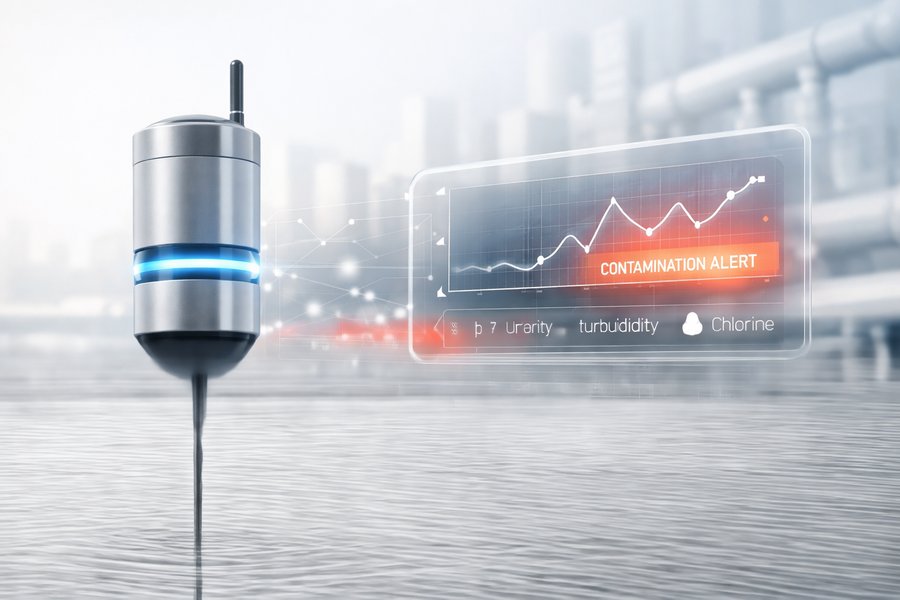
Water remains the most fundamental resource sustaining human civilization, yet ensuring its safety and quality presents increasingly complex challenges for urban communities worldwide. Municipal water systems face mounting pressure from aging infrastructure, evolving contaminant profiles, climate variability, and growing populations that strain existing treatment and distribution networks. Traditional approaches to water quality monitoring, which rely heavily on periodic manual sampling and laboratory analysis, struggle to keep pace with these dynamic threats. The emergence of artificial intelligence and intelligent sensor networks represents a transformative shift in how cities protect their drinking water supplies, enabling continuous surveillance and predictive capabilities that were impossible just a decade ago.
The scale of the global water infrastructure challenge underscores the urgency of technological innovation in this domain. In the United States alone, more than one trillion dollars will be required over the next twenty-five years to upgrade aging drinking water systems, while an estimated six billion gallons of treated water are lost daily through leaky pipes and infrastructure failures across municipal systems nationwide. These losses not only waste valuable treated resources but also create opportunities for contamination to enter distribution networks through pressure transients and infrastructure breaches. Artificial intelligence offers a compelling and increasingly proven pathway to address these challenges by transforming vast streams of sensor data into actionable intelligence that helps utilities anticipate problems before they affect consumers.
The integration of AI with Internet of Things sensor networks has created unprecedented opportunities for real-time water quality management. Modern systems deploy arrays of sensors throughout distribution networks that continuously measure parameters ranging from basic indicators like temperature and turbidity to sophisticated chemical analyses that detect trace contaminants. Machine learning algorithms process this continuous data flow, identifying patterns and anomalies that would escape human operators reviewing periodic test results. The global market for AI in water management reflects this technological revolution, with projections indicating growth from approximately seven and a half billion dollars in 2024 to nearly fifty-four billion dollars by 2032, representing a compound annual growth rate exceeding twenty-seven percent. This expansion demonstrates the water industry’s recognition that intelligent monitoring systems have become essential infrastructure for protecting public health in the twenty-first century.
The sophistication of modern contaminant threats further underscores the need for intelligent monitoring capabilities. Urban water systems face potential contamination from pharmaceutical residues that pass through conventional treatment, microplastics accumulating in environmental waters, industrial chemicals with emerging health concerns, and agricultural runoff carrying nutrients and pesticides into source waters. Traditional monitoring programs designed around well-understood contaminants struggle to address these evolving threats, while AI systems can potentially detect unusual patterns indicating novel contaminants even before specific analytical methods exist for their identification. The ability to learn from data rather than relying solely on predetermined detection targets positions AI monitoring as an adaptive defense against an expanding universe of potential water quality threats. The following sections examine the technologies, applications, and real-world implementations that are reshaping how cities ensure the safety of their water supplies.
Understanding Urban Water Quality Parameters
The foundation of any intelligent water monitoring system rests on understanding the specific parameters that define water quality and their significance for human health and infrastructure integrity. Water quality encompasses a complex interplay of physical, chemical, and biological characteristics that collectively determine whether water is safe for consumption and suitable for its intended uses. Urban water systems must continuously track dozens of distinct parameters, each providing unique insights into the condition of water as it travels from treatment facilities through miles of distribution pipes to reach consumers.
Physical parameters provide the most immediately observable indicators of water condition and include measurements such as temperature, color, turbidity, and odor. Temperature affects not only consumer perception but also influences chemical reaction rates, disinfection effectiveness, and microbial growth potential throughout the distribution system. Turbidity, which measures the cloudiness of water caused by suspended particles, serves as a critical indicator because elevated levels can shield harmful microorganisms from disinfection treatments and indicate potential infiltration of contaminants into the distribution network. These physical characteristics change in response to environmental conditions, seasonal variations, and infrastructure events, making continuous monitoring essential for detecting transient problems that periodic sampling would miss.
Chemical parameters encompass a broader range of measurements that reveal the molecular composition of water and its potential health implications. The pH level indicates water’s acidity or alkalinity, affecting both its corrosiveness toward pipes and its interaction with disinfection chemicals. Dissolved oxygen concentrations influence the survival of beneficial and harmful organisms while affecting the taste and odor characteristics that consumers notice. Chlorine residuals must be maintained within specific ranges throughout distribution networks to ensure pathogen control without creating excessive levels that produce unpleasant taste or potentially harmful disinfection byproducts. Emerging contaminants including pharmaceutical residues, personal care product chemicals, and industrial compounds present additional monitoring challenges as analytical methods improve and researchers identify new substances of concern.
Biological parameters address the presence of living organisms in water supplies, ranging from beneficial bacteria that pose no health threat to dangerous pathogens capable of causing serious illness. Coliform bacteria serve as indicator organisms, with their presence suggesting potential fecal contamination even when specific pathogens are not detected. Pathogenic microorganisms including bacteria, viruses, and protozoa can enter water supplies through treatment failures, infrastructure breaches, or cross-connections with contaminated sources. The intermittent nature of biological contamination events makes them particularly challenging to detect through traditional sampling methods, highlighting the value of continuous monitoring approaches that can identify unusual conditions in real time.
The interconnections between different parameter categories create complex dynamics that intelligent monitoring systems must navigate effectively. Rising water temperatures may accelerate chlorine decay, reducing disinfection capacity while simultaneously promoting bacterial growth that increases biological risk. Turbidity spikes indicating particle intrusion may herald biological contamination while also interfering with sensor measurements and reducing disinfection effectiveness. Changes in source water chemistry from seasonal variations or upstream events propagate through treatment and distribution systems in ways that affect multiple parameters through cascading effects. Understanding these interactions enables AI systems to interpret parameter changes within their proper context and identify conditions warranting concern versus normal variations within acceptable operational ranges.
Physical and Chemical Indicators in Water Distribution
The distribution network connecting treatment plants to consumers represents the most vulnerable and challenging portion of urban water systems to monitor effectively. Water traveling through these extensive pipe networks undergoes continuous changes as it interacts with pipe materials, experiences pressure fluctuations, and mixes with water from different sources and storage facilities. Understanding the specific physical and chemical indicators most relevant to distribution system health enables utilities to deploy monitoring resources strategically and interpret sensor data meaningfully.
Conductivity measurements provide valuable insights into the overall ionic content of water and serve as sensitive indicators of changes in water composition throughout distribution systems. Sudden shifts in conductivity may signal intrusion events, mixing of water from different sources, or chemical reactions occurring within pipes. Total dissolved solids measurements quantify the aggregate concentration of minerals, salts, and organic matter dissolved in water, with changes potentially indicating contamination or infrastructure problems. Oxidation-reduction potential measurements reveal the water’s tendency to gain or lose electrons, providing information about its chemical reactivity and disinfection capacity that influences both water quality and pipe corrosion rates.
The interactions between these parameters create complex patterns that intelligent monitoring systems must interpret correctly to distinguish normal variations from genuine threats. Seasonal temperature changes affect chemical reaction rates and can shift the balance between different forms of disinfection compounds. Pressure transients during high-demand periods may mobilize sediments accumulated in pipes, causing temporary turbidity increases that differ fundamentally from contamination events despite similar sensor readings. Pipe material aging and biofilm development within distribution systems create location-specific conditions that influence how water quality changes during transit. Advanced AI systems learn these contextual relationships from historical data, enabling them to recognize when parameter changes reflect normal system behavior versus conditions requiring investigation or intervention.
The summary of water quality parameters reveals a monitoring challenge of considerable complexity. Urban water systems must track numerous interconnected variables that change dynamically in response to environmental, operational, and infrastructure factors. Traditional periodic sampling captures only snapshots of these changing conditions, potentially missing critical events that occur between sampling times. The comprehensive understanding of physical, chemical, and biological parameters provides the foundation for designing intelligent sensor networks capable of continuous surveillance across entire distribution systems.
Intelligent Sensor Networks for Real-Time Monitoring
The transformation from periodic sampling to continuous monitoring requires deploying networks of sensors throughout urban water systems, connected through communication infrastructure that enables real-time data transmission and analysis. These intelligent sensor networks represent a fundamental architectural shift in water quality management, creating the data foundation upon which artificial intelligence systems build their analytical and predictive capabilities. The design and implementation of such networks involves careful consideration of sensor selection, placement strategies, communication protocols, and data management systems.
Modern water quality sensors utilize diverse measurement principles to capture the range of parameters relevant to drinking water safety. Optical sensors employ light transmission and reflection techniques to measure turbidity, color, and certain chemical concentrations without direct contact with water samples. Electrochemical sensors provide accurate measurements of parameters including pH, dissolved oxygen, chlorine residuals, and conductivity through reactions occurring at electrode surfaces immersed in the water stream. Spectroscopic sensors analyze how water absorbs or reflects light across different wavelengths, enabling detection of organic compounds and certain contaminants that would require laboratory analysis with traditional methods. The combination of multiple sensor types at each monitoring location creates comprehensive measurement capabilities that capture the multidimensional nature of water quality.
Communication infrastructure connects distributed sensors to central data processing and analysis systems, with technology selection balancing coverage requirements, power constraints, and data transmission needs. Low-power wide-area network technologies including LoRa and narrowband IoT have emerged as particularly suitable for water monitoring applications, offering extended range, low power consumption, and sufficient bandwidth for sensor data while minimizing infrastructure costs. These protocols enable sensors deployed in underground vaults, remote pumping stations, and distributed locations throughout pipe networks to transmit measurements reliably without requiring extensive wired connections. Cloud computing platforms receive the continuous data streams from sensor networks, providing scalable storage and processing capabilities that support both real-time analysis and historical trend evaluation.
The strategic placement of sensors throughout distribution networks maximizes monitoring coverage while managing costs and maintenance requirements. Treatment plant outlets represent critical monitoring points where water quality must meet regulatory standards before entering distribution systems. Transmission mains carrying water to storage facilities and major distribution zones require monitoring to detect changes occurring during transit. Consumer service connections and critical facilities including hospitals, schools, and food processing operations benefit from dedicated monitoring that provides early warning of localized contamination events. The optimization of sensor placement involves balancing detection probability against resource constraints, with advanced network design methods using hydraulic modeling and contamination simulation to identify locations providing maximum coverage for available monitoring investments.
Data management architectures must accommodate the substantial volumes of information generated by continuous monitoring networks. A single sensor reporting measurements every five minutes produces over one hundred thousand data points annually, and comprehensive monitoring networks may include hundreds or thousands of sensors generating collective data volumes measured in terabytes annually. Time-series databases optimized for sensor data provide efficient storage and retrieval capabilities supporting both real-time analysis and historical investigation. Data quality assurance processes identify sensor malfunctions, communication failures, and implausible readings that require correction before analysis. Metadata management tracks sensor locations, calibration histories, and configuration changes that affect data interpretation over time. These data infrastructure requirements represent substantial investments beyond sensor hardware, necessitating careful architectural planning to ensure systems remain performant and manageable as monitoring networks grow.
From Manual Sampling to Continuous Surveillance
The contrast between traditional manual sampling approaches and modern continuous monitoring systems illuminates the transformative potential of intelligent sensor networks for water quality management. Manual sampling programs typically collect water samples at predetermined locations on fixed schedules, with samples transported to laboratories for analysis over periods ranging from hours to days. This approach served water utilities adequately when contamination events were relatively rare and slow-developing, but proves inadequate for detecting the rapid transient events that characterize modern water quality threats.
Traditional methods suffer from inherent limitations in temporal coverage that create significant blind spots in water quality surveillance. A monitoring program sampling each location weekly examines water conditions for mere minutes out of each ten thousand minutes between samples, leaving the vast majority of time unobserved. Contamination events occurring between sampling times may affect consumers before the next scheduled sample reveals the problem, while short-duration events may resolve before detection occurs. Laboratory analysis delays compound these limitations by separating sample collection from results availability by hours or days, during which time contaminated water may have already reached consumers.
Continuous monitoring fundamentally transforms this equation by providing measurements at intervals measured in minutes rather than days. Sensors reporting every five minutes generate nearly nine thousand data points weekly from each location, compared to a single weekly grab sample. This measurement density enables detection of rapid changes and short-duration events that periodic sampling would miss entirely. Real-time data transmission further accelerates response by providing immediate notification when measurements exceed normal ranges, enabling investigation and intervention while problems are developing rather than after they have fully manifested. The combination of continuous measurement with immediate data availability creates surveillance capabilities that approach true real-time awareness of water quality conditions throughout distribution networks.
The transition to continuous monitoring also enables analytical approaches impossible with sparse periodic data. Statistical process control methods identify when current measurements deviate significantly from established baseline patterns, triggering alerts for conditions that require investigation. Trend analysis reveals gradual changes in water quality that develop too slowly to appear in individual sample comparisons but become apparent through continuous monitoring over extended periods. Correlation analysis identifies relationships between different parameters and between conditions at different network locations, enabling detection of distributed events affecting multiple monitoring points. Multivariate analysis examines combinations of parameters that together indicate problems not apparent from any single measurement, leveraging the simultaneous observation of multiple variables that continuous monitoring provides. These analytical capabilities transform raw sensor data into actionable intelligence that supports both immediate response and long-term system optimization.
The economic dimensions of transitioning from manual sampling to continuous monitoring involve both cost savings and new investment requirements that utilities must evaluate carefully. Laboratory analysis costs for traditional monitoring programs can be substantial, with testing for comprehensive parameter panels costing hundreds of dollars per sample. Continuous sensors eliminate ongoing laboratory costs for parameters they measure, though sensors have their own capital and maintenance costs that must be considered. Labor savings from reduced sample collection trips and laboratory processing can be significant for utilities with extensive monitoring programs covering large service areas. However, continuous monitoring creates new costs for data management, system maintenance, and analytical software that offset some savings. The net economic impact depends on utility-specific factors including current monitoring intensity, geographic distribution of monitoring locations, and available technical capacity for managing sensor networks.
The synthesis of sensor network architecture with continuous monitoring capabilities creates the data infrastructure essential for AI-driven water quality management. The volume, velocity, and variety of data generated by modern sensor networks exceed human analytical capacity, necessitating automated systems that can process continuous streams while maintaining vigilance for anomalies requiring attention. This data foundation enables the machine learning approaches examined in subsequent sections, which extract patterns and generate predictions from the comprehensive monitoring data that intelligent sensor networks provide.
Machine Learning Algorithms for Contamination Prediction
The application of machine learning to water quality data transforms the reactive paradigm of traditional monitoring into a predictive framework that anticipates contamination events before they threaten consumers. Machine learning algorithms excel at identifying complex patterns in high-dimensional data that would overwhelm human analysts, enabling detection of subtle anomalies and prediction of future conditions based on current and historical measurements. The water quality domain presents characteristics well-suited to machine learning approaches, including abundant data from continuous sensors, complex nonlinear relationships between parameters, and clear classification targets distinguishing acceptable from problematic conditions.
Several categories of machine learning algorithms have demonstrated effectiveness for water quality analysis and prediction. Ensemble methods including Random Forest and Gradient Boosting combine predictions from multiple decision trees to achieve robust classification and regression performance across diverse water quality parameters. These algorithms handle the mixed data types common in water monitoring, accommodate missing values that inevitably occur in sensor networks, and provide interpretable results that help operators understand which factors drive model predictions. Research applications have demonstrated Random Forest models achieving classification accuracies exceeding ninety-five percent for water quality categorization tasks, with strong performance maintained across different geographic regions and water system configurations.
Support Vector Machines offer another powerful approach for water quality classification, particularly effective when distinguishing between contaminated and normal conditions based on sensor measurements. These algorithms construct optimal decision boundaries in high-dimensional feature spaces, achieving strong separation between classes even when the underlying data relationships are complex and nonlinear. Neural network architectures, particularly deep learning models with multiple hidden layers, have demonstrated exceptional capability for capturing intricate patterns in water quality time series data. Convolutional neural networks extract spatial features from sensor array data, while recurrent architectures process temporal sequences to identify evolving patterns over time.
Long Short-Term Memory networks represent a particularly significant advancement for water quality prediction due to their ability to capture dependencies across extended time sequences. Water quality at any moment reflects not only current conditions but also historical patterns including seasonal cycles, gradual infrastructure degradation, and the propagation of upstream events through distribution networks. LSTM architectures maintain memory of relevant past information while processing new data, enabling prediction of future water quality based on learned temporal patterns. Research has demonstrated LSTM models achieving coefficient of determination values exceeding 0.8 for predicting key parameters including dissolved oxygen, total nitrogen, and overall water quality indices, with hybrid models combining LSTM with other techniques achieving even higher accuracy. Studies utilizing combined normalization approaches with LSTM networks have achieved classification accuracies exceeding ninety-nine percent for water quality prediction tasks while maintaining acceptable error rates.
The application of these algorithms to real-world water monitoring requires careful attention to data preparation, model validation, and deployment considerations. Training data must represent the full range of conditions the model will encounter in operation, including seasonal variations, unusual events, and different operational states. Feature engineering transforms raw sensor measurements into inputs that capture relevant information including temporal trends, differences between locations, and relationships among parameters. Model validation using held-out data ensures predictions generalize beyond training conditions, while ongoing performance monitoring detects model degradation that may occur as system conditions evolve. Transfer learning approaches can accelerate model development for new water systems by leveraging knowledge gained from previous implementations, though local adaptation remains necessary to account for system-specific characteristics.
Predictive Analytics and Early Warning Systems
The transformation of machine learning models into operational early warning systems requires integration with real-time data streams, alert generation mechanisms, and response protocols that translate predictions into protective actions. Early warning systems continuously apply trained models to incoming sensor data, comparing current conditions and predicted trajectories against established thresholds that trigger different response levels. The value of these systems derives from their ability to provide advance notice of developing problems, creating time windows for intervention that prevent contaminated water from reaching consumers.
Predictive models incorporate multiple data sources beyond water quality sensors to improve forecast accuracy and extend prediction horizons. Weather data including precipitation, temperature, and wind conditions influences water quality through runoff generation, reservoir mixing, and biological activity patterns. Operational data from treatment plants and distribution systems provides context about current processing configurations, chemical dosing, and flow patterns that affect downstream water quality. Historical incident records and maintenance logs inform models about infrastructure vulnerabilities and past problem patterns that may recur under similar conditions. The fusion of these diverse data streams enables more comprehensive predictions than sensor data alone would support.
Alert generation must balance sensitivity against specificity to provide meaningful warnings without overwhelming operators with false alarms. Systems generating excessive false positives quickly lose credibility with operators who begin ignoring alerts, defeating the purpose of early warning capabilities. Statistical methods establish dynamic thresholds that adapt to normal variability patterns, triggering alerts only when observations exceed expected ranges by statistically significant margins. Multi-parameter analysis requires anomalies across multiple measurements to generate high-priority alerts, reducing false positives from single-sensor malfunctions while maintaining sensitivity to genuine contamination events affecting multiple water quality dimensions.
Response protocols translate early warning alerts into specific actions appropriate to different threat levels and contamination scenarios. Low-level alerts may trigger increased monitoring and investigation without immediate operational changes, while high-level alerts initiate predetermined response sequences including isolation of affected network segments, activation of alternative supplies, and notification of public health authorities. Automated systems can execute initial response actions immediately upon alert generation, such as closing valves to isolate contaminated zones or adjusting treatment chemical dosing to address detected changes. Human operators review system recommendations and authorize escalating responses, maintaining appropriate oversight while benefiting from rapid automated initial reactions.
The integration of predictive analytics with operational response creates systems capable of anticipatory protection rather than reactive response to contamination events. Models predicting elevated turbidity from approaching storms enable utilities to adjust operations before water quality degrades rather than responding after problems manifest. Predictions of algal bloom development in source water reservoirs provide days of advance notice for treatment modifications. Forecast-driven valve operations can isolate network segments before contamination reaches them, preventing exposure of consumers who would otherwise receive affected water before detection and response occurred. This predictive posture represents a fundamental enhancement in water system resilience, converting the time value of forecasting into concrete public health protection through proactive intervention.
The operational integration of early warning systems with utility workflows requires careful attention to human factors and organizational processes. Alert fatigue develops when systems generate excessive notifications, leading operators to discount or ignore warnings that may include genuine threats among numerous false positives. Effective implementations calibrate alert thresholds and frequencies to match operational capacity for response, ensuring that notifications correspond to conditions warranting attention. Training programs familiarize operators with system capabilities and appropriate responses to different alert types, building confidence in automated recommendations while maintaining critical evaluation of system outputs. Documentation of alert responses creates feedback loops that improve system performance over time as confirmed events and false positives inform threshold adjustments and model refinements.
Digital Twins and Smart Water Grid Infrastructure
Digital twin technology extends intelligent monitoring beyond data collection and analysis to create comprehensive virtual representations of physical water systems that enable simulation, optimization, and predictive maintenance capabilities. A digital twin comprises mathematical models of physical infrastructure components, real-time data feeds from distributed sensors, and analytical algorithms that maintain synchronization between virtual and physical system states. This digital representation enables experimentation with operational scenarios, identification of emerging problems, and optimization of system performance without risking actual water supplies.
The construction of water system digital twins integrates multiple modeling components that represent different aspects of physical system behavior. Hydraulic models simulate water flow and pressure throughout pipe networks based on system topology, pipe characteristics, pump operations, and consumer demand patterns. Water quality models track the transport and transformation of chemical constituents as water moves through treatment and distribution systems, accounting for reactions with pipe materials, chlorine decay, and mixing from multiple sources. Asset condition models estimate the current state of infrastructure components based on age, materials, operating history, and maintenance records, supporting prediction of failure likelihood and remaining useful life.
Real-time data integration maintains digital twin accuracy by continuously updating model parameters based on actual sensor measurements. Calibration algorithms adjust model parameters when predictions diverge from observations, ensuring the virtual representation remains faithful to current physical system conditions. This continuous calibration process captures changes in system behavior that occur as infrastructure ages, demand patterns shift, and operational practices evolve. The resulting digital twin provides not merely a static model but a living representation that tracks actual system state and responds to changing conditions.
Anomaly detection and localization represent particularly valuable applications of digital twin technology for water quality protection. By comparing actual sensor readings against digital twin predictions, systems can identify when physical measurements deviate from expected values in ways that indicate problems rather than normal variation. The spatial relationships encoded in digital twin models enable localization of anomaly sources by analyzing which network locations show consistent deviations and tracing those deviations upstream toward likely causes. Singapore’s Public Utilities Board has deployed digital twin technology for exactly this purpose, achieving successful detection and verification of operational leaks through analysis of deviations between predicted and measured network conditions. Since January 2024, this system has detected multiple operational leaks that field crews subsequently verified, demonstrating the practical value of digital twin-based anomaly detection for protecting water infrastructure.
The broader smart water grid concept encompasses digital twins within a comprehensive framework of intelligent infrastructure that manages water resources through data-driven decision making. Smart water grids integrate sensors, communication networks, digital twins, analytics platforms, and control systems into unified architectures that optimize water treatment, distribution, and consumption. Automated meter reading provides granular data on consumption patterns that inform demand forecasting and leak detection. Pressure management systems adjust network conditions in real time to minimize leakage while maintaining adequate service. Asset management applications prioritize maintenance and replacement investments based on risk-informed analysis of infrastructure condition and failure consequences. This convergence of technologies creates water systems that approach the autonomous operation and optimization capabilities long established in other infrastructure domains including electrical grids and telecommunications networks.
The implementation of digital twin systems requires addressing several technical and organizational challenges that affect deployment success. Data integration across multiple sources and systems presents interoperability challenges when legacy infrastructure uses proprietary protocols or incompatible data formats. Model calibration requires sufficient sensor coverage to constrain parameters throughout the network, with sparse monitoring limiting achievable model accuracy. Computational requirements for real-time simulation of large networks may exceed available processing capacity without appropriate optimization or distributed computing architectures. Organizational adoption requires training operators to interpret digital twin outputs and integrate them into decision processes that may have relied on different information sources historically. These challenges are surmountable with appropriate planning and resources, as demonstrated by successful implementations including Singapore’s smart water grid, but they require explicit attention during system design and deployment.
Benefits and Challenges by Stakeholder
The implementation of AI-driven water quality monitoring creates distinct benefits and challenges for different stakeholder groups involved in urban water management. Understanding these differentiated impacts enables more effective system design that maximizes value while addressing concerns specific to each stakeholder category. Water utilities, public health agencies, consumers, and technology providers each experience the transformation of water monitoring from unique perspectives that shape their priorities and requirements.
Water utilities represent the primary operators and beneficiaries of intelligent monitoring systems, gaining operational capabilities that enhance their core mission of delivering safe water reliably and efficiently. The predictive maintenance enabled by AI analysis reduces emergency repairs and extends infrastructure life by identifying developing problems before catastrophic failures occur. Operational optimization through real-time monitoring and analytics reduces energy consumption, chemical usage, and water losses, generating cost savings that offset technology investments over time. Regulatory compliance becomes more assured when continuous monitoring provides comprehensive documentation of water quality conditions rather than relying on periodic sampling that regulators may view as inadequate. However, utilities face substantial challenges including the capital investment required for sensor networks and computing infrastructure, the need for staff training and organizational adaptation to new technologies, and the cybersecurity risks inherent in connecting critical infrastructure to digital networks.
Public health agencies benefit from improved surveillance capabilities that accelerate detection and response to contamination events threatening population health. Early warning systems provide advance notice of developing problems, enabling public health interventions including boil water advisories, alternative supply activation, and targeted communication to affected populations before illness occurs. The comprehensive data generated by continuous monitoring supports epidemiological investigation when illness clusters emerge, enabling more rapid identification of contamination sources. Enhanced regulatory oversight becomes possible when utilities provide continuous monitoring data rather than periodic sampling results, though this creates corresponding challenges in developing appropriate standards and oversight mechanisms for data-intensive monitoring approaches. Public health agencies must also develop capacity to interpret AI-generated alerts and integrate them with existing surveillance and response systems.
Consumers ultimately benefit from safer water supplies delivered more reliably, though their direct interaction with monitoring technology remains limited. Increased transparency becomes possible when utilities share monitoring data through public dashboards or consumer applications, building trust through demonstrated commitment to water quality. Some utilities have begun providing consumers with alerts about local water quality conditions, enabling informed decisions about water use during developing incidents. However, transparency initiatives must balance information sharing against the risk of unnecessary alarm from data that consumers may lack context to interpret correctly. Privacy considerations also emerge as smart metering provides detailed consumption data that could reveal household activity patterns if not properly protected.
Technology providers including sensor manufacturers, software developers, and system integrators face opportunities in the growing market for water monitoring solutions but must address challenges including interoperability between different vendor systems, long-term support for deployed technologies, and the need to demonstrate return on investment to utility customers with limited technology budgets. The diversity of water system configurations and utility requirements creates fragmentation that complicates product development and increases customization costs. Cybersecurity responsibilities extend throughout the technology supply chain, requiring vendors to maintain security practices that protect connected infrastructure from emerging threats. Market dynamics favor vendors who can demonstrate proven implementations and provide ongoing support, creating advantages for established players while presenting barriers for innovative newcomers. The water sector’s relatively conservative technology adoption patterns and long procurement cycles require vendors to invest substantially before realizing revenue, creating cash flow challenges for smaller firms.
The distribution of benefits and challenges across stakeholder groups creates complex dynamics that influence technology adoption and policy development. Utilities bearing implementation costs and operational responsibilities may not capture all benefits, some of which accrue to consumers through improved health outcomes and to society through reduced environmental impacts. Public health benefits that manifest through illness prevention are inherently difficult to measure and attribute, complicating value demonstration that would support investment justification. Regulatory frameworks designed around traditional monitoring approaches may not accommodate or incentivize continuous monitoring investments, creating policy gaps that require coordinated attention from utilities, regulators, and technology providers. Addressing these cross-stakeholder dynamics requires collaborative approaches to governance, financing, and standard development that align incentives with desired outcomes.
Case Studies: AI-Driven Water Monitoring in Practice
Real-world implementations of AI-driven water quality monitoring demonstrate both the practical value of these technologies and the lessons learned through deployment in operational water systems. Examining verified case studies from recent years provides concrete evidence of how intelligent monitoring translates from concept to practice, revealing outcomes, challenges, and best practices that inform future implementations. Three significant examples illustrate different aspects of AI application in water quality management across different contexts and scales.
Singapore’s Public Utilities Board operates one of the world’s most advanced smart water grids, providing a comprehensive example of intelligent monitoring at city scale. PUB manages over five thousand kilometers of potable water mains serving more than 1.4 million customers, with continuous monitoring through hundreds of sensor stations deployed across the island’s underground water infrastructure. The utility maintains one of the lowest non-revenue water rates globally, demonstrating the operational excellence achievable through comprehensive intelligent monitoring integration. The Anomaly Detection and Localization Framework developed by PUB integrates digital twin technology with machine learning algorithms to identify and locate leaks and other network anomalies in near real-time. Since January 2024, this system has successfully detected operational leaks that field crews subsequently verified, shifting network maintenance from time-based scheduling to data-driven surveillance that targets investigation resources toward locations showing anomalous behavior. The economic benefits derive from reduced manpower costs for network inspection, earlier intervention before small leaks become major failures, and improved overall network resilience through continuous health monitoring.
Research conducted by the University of Birmingham in collaboration with institutions in China and Germany demonstrates AI’s remarkable capability to detect chemical hazards that traditional monitoring approaches miss entirely. Published in December 2024 in Environmental Science and Technology, this work analyzed water samples from the Chaobai River system near Beijing, which receives pollutants from agricultural, domestic, and industrial sources. The researchers used water fleas as biological indicators, monitoring gene expression changes in response to environmental samples, while machine learning algorithms analyzed the resulting data to identify which chemical combinations were causing toxic effects. The AI-driven analysis revealed that certain mixtures of chemicals working together at low individual concentrations produced harmful effects on aquatic organisms that would have escaped detection through conventional one-chemical-at-a-time testing. This approach demonstrates how AI can identify synergistic toxicity from complex environmental mixtures, providing capabilities for water safety assessment that were previously impossible.
A collaboration between Utah State University, the University of Vermont, and federal agencies has developed a predictive tool with national applicability for forecasting water quality threats across diverse watershed conditions. Published in March 2025 in the Journal of the American Water Resources Association, this research combines data from the National Water Model, which predicts streamflow throughout the United States, with real-time sensor measurements to forecast water quality conditions in source water supplies. The initial application focused on New York City’s drinking water supply system, where storms frequently mobilize sediments that create turbidity problems requiring operational responses. By predicting turbidity increases before they occur based on weather conditions and upstream hydrology, the tool provides water managers with advance notice enabling proactive operational adjustments rather than reactive responses after problems manifest. The framework can be adapted to predict various water quality parameters including phosphorus, nitrogen, and chloride concentrations, with researchers working to deploy applications for watersheds draining to Lake Champlain that will provide near real-time water quality forecasts for Vermont communities.
These case studies collectively demonstrate AI-driven water monitoring progressing from research concept to operational deployment across diverse applications and scales. Singapore’s implementation shows comprehensive utility-scale deployment generating measurable operational benefits through the integration of digital twin technology with distributed sensor networks across extensive underground infrastructure. The Birmingham research reveals AI’s capability to detect complex hazards invisible to conventional methods by analyzing biological responses to environmental samples rather than testing for specific predetermined chemicals. The Vermont-Utah collaboration demonstrates predictive capabilities that extend monitoring from current conditions to future threats by combining federal hydrological models with local sensor data through machine learning analysis.
Each example provides lessons about implementation requirements, integration challenges, and value creation that inform the broader adoption of intelligent monitoring in water systems worldwide. Successful implementations share common characteristics including strong institutional commitment, adequate investment in both technology and organizational change, integration with existing operational practices, and realistic expectations about capability development timelines. The progression from pilot demonstrations to full-scale deployment typically requires multiple years of refinement as systems are tuned to local conditions and staff develop proficiency with new tools. These lessons suggest that utilities considering intelligent monitoring investments should plan for sustained implementation programs rather than expecting immediate transformation, while recognizing that proven approaches now exist that can be adapted to diverse contexts with appropriate localization.
Final Thoughts
The integration of artificial intelligence with water quality monitoring represents more than technological advancement; it embodies a fundamental transformation in humanity’s relationship with one of its most essential resources. Clean water access has shaped human civilization since its earliest settlements, and the challenges of ensuring water safety in modern urban environments demand approaches that match the complexity of contemporary threats. AI-driven monitoring systems provide capabilities that address this complexity, enabling continuous surveillance, predictive analysis, and rapid response that protect public health more effectively than any previous monitoring paradigm. The progression from experimental implementations to proven operational systems demonstrates that these technologies have matured beyond theoretical promise to practical capability ready for broad deployment.
The societal implications of this technological transformation extend beyond improved water quality to encompass broader themes of infrastructure resilience, public health equity, and environmental sustainability. Cities investing in intelligent water monitoring build resilience against climate variability, infrastructure failures, and emerging contaminant threats that will intensify in coming decades. The data generated by continuous monitoring enables evidence-based infrastructure investment that maximizes protection for available resources. Environmental monitoring capabilities that detect chemical mixtures and predict contamination events support ecological protection alongside human health, recognizing the interconnection between water quality and broader environmental systems.
The intersection of technology advancement with equitable water access presents both opportunities and responsibilities for the water sector worldwide. Intelligent monitoring systems have predominantly been developed and deployed in wealthy nations with advanced technical capacity and substantial infrastructure investment budgets, creating potential for widening disparities in water safety between developed and developing regions. However, declining sensor costs, cloud computing accessibility, and emerging low-cost monitoring approaches offer pathways for extending these capabilities to communities with limited resources. Technology transfer, international collaboration, and development financing can accelerate adoption in regions where water safety challenges are most severe and where waterborne disease continues to cause significant illness and mortality, provided that appropriate attention is given to local adaptation and sustainable implementation approaches.
Ongoing challenges require continued attention as AI-driven monitoring matures and expands across the water sector globally. Data governance frameworks must balance utility access needs against privacy protections and security requirements while ensuring data quality sufficient for analytical applications. Workforce development must prepare water system operators for technology-intensive work environments while preserving institutional knowledge about physical system behavior that remains essential for interpreting AI outputs correctly. Regulatory frameworks must evolve to accommodate continuous monitoring approaches that differ fundamentally from the periodic sampling paradigms embedded in existing standards developed decades ago. Cybersecurity protections must advance alongside the growing connectivity of water infrastructure to digital networks that expand attack surfaces requiring defense. Addressing these challenges requires sustained collaboration among utilities, regulators, technology providers, and communities that depend on safe water supplies.
The trajectory of water quality monitoring points toward increasingly intelligent, autonomous, and predictive systems that continuously optimize water safety and system performance. Near-term developments will enhance sensor capabilities through improved accuracy, reduced maintenance requirements, and expanded parameter coverage. Advancing AI analytical methods will improve prediction accuracy and extend forecast horizons while reducing computational requirements for deployment in resource-constrained environments. Integration with utility operations will deepen as systems demonstrate value and operators develop confidence in automated recommendations. Longer-term advances may enable truly autonomous water systems that detect, diagnose, and respond to quality threats without human intervention for routine events while escalating complex situations for expert attention. This evolution will require sustained investment, careful implementation, and ongoing refinement, but the fundamental direction is clear. Intelligent water monitoring has progressed from experimental concept to proven technology, and its continued advancement offers the prospect of water systems that deliver on the essential promise of safe water for all who depend on municipal supplies for this most fundamental human need.
FAQs
- How do AI-enabled sensors detect water contamination in real time?
AI-enabled water monitoring systems use arrays of sensors measuring parameters including pH, turbidity, dissolved oxygen, chlorine residuals, and conductivity at intervals of minutes rather than days. Machine learning algorithms continuously analyze this data stream, comparing current readings against established baseline patterns and detecting anomalies that indicate potential contamination. When measurements deviate significantly from expected values or show unusual patterns across multiple parameters, the system generates alerts for investigation. This continuous analysis enables detection of rapid changes and short-duration events that traditional periodic sampling would miss entirely. - What is the typical cost range for implementing smart water monitoring systems?
Implementation costs vary substantially based on system scale, existing infrastructure, and monitoring comprehensiveness. Small utility deployments may require investments in the hundreds of thousands of dollars for sensor networks, communication infrastructure, and software platforms. Large metropolitan systems implementing comprehensive monitoring across extensive distribution networks may invest tens of millions of dollars over multi-year deployment programs. Operating costs include sensor maintenance, calibration, data storage, and software licensing. Many utilities report that operational savings from reduced water losses, optimized chemical usage, and predictive maintenance generate positive returns within five to ten years of implementation. - How accurate are machine learning models for predicting water quality?
Research implementations have demonstrated machine learning models achieving coefficient of determination values exceeding 0.8 for key water quality parameters including dissolved oxygen, nitrogen compounds, and overall water quality indices. Classification models distinguishing between acceptable and problematic water conditions have achieved accuracy rates above ninety-five percent in many applications. However, accuracy depends heavily on the quality and quantity of training data, the appropriateness of model selection for specific prediction tasks, and ongoing model maintenance as system conditions evolve. Operational deployments typically require continuous validation and periodic retraining to maintain prediction accuracy over time. - What data privacy considerations apply to smart water monitoring systems?
Smart water systems generate data requiring different levels of protection. Consumer consumption data from smart meters can reveal household activity patterns and requires protection under data privacy regulations. Network operational data including sensor readings and system configurations may have security implications if exposed to adversaries seeking to attack water infrastructure. Utilities must implement appropriate data governance including access controls, encryption, retention policies, and anonymization where appropriate. Regulatory frameworks including general data protection requirements and sector-specific cybersecurity standards provide guidance for protecting water system data. - Can AI monitoring systems integrate with existing water utility infrastructure?
Modern AI monitoring platforms are designed for integration with existing utility systems including supervisory control and data acquisition systems, laboratory information management systems, geographic information systems, and enterprise asset management platforms. Integration typically involves establishing data connections through application programming interfaces or standard data exchange protocols. Legacy systems may require middleware or gateway devices to translate between older protocols and modern platforms. Successful integration requires careful planning to address data format differences, timing synchronization, and security considerations at system boundaries. - What maintenance do intelligent sensor networks require?
Sensor networks require regular maintenance including calibration verification, cleaning to prevent fouling, and replacement of consumable components. Calibration intervals vary by sensor type but typically range from monthly to quarterly for critical measurements. Optical sensors may require cleaning weekly to monthly depending on water conditions, while electrochemical sensors may need more frequent attention in challenging environments. Communication infrastructure requires monitoring for connectivity issues and periodic firmware updates. Overall maintenance burden depends on sensor selection, deployment conditions, and acceptable accuracy tolerances, with utilities typically allocating dedicated staff time for sensor network support. - How quickly can AI monitoring systems detect contamination events?
Detection speed depends on sensor measurement intervals, data transmission latency, and alert generation thresholds. Systems with sensors reporting every five minutes and real-time data transmission can generate alerts within minutes of contamination entering monitored network locations. Predictive capabilities may provide even earlier warning by detecting conditions likely to produce contamination before actual water quality degradation occurs. However, detection requires contamination to reach sensor locations, so network coverage and sensor placement significantly influence effective detection speed. Comprehensive monitoring designs balance detection speed against cost by optimizing sensor placement to minimize detection times for likely contamination scenarios. - How do AI water monitoring systems support regulatory compliance?
Continuous monitoring systems generate comprehensive documentation of water quality conditions that supports regulatory compliance demonstration. Automated reporting functions extract required data elements and format them according to regulatory specifications, reducing manual reporting burden. Trend analysis identifies developing compliance issues before they become violations, enabling proactive correction. Alert systems notify operators when parameters approach regulatory limits, providing time for intervention before exceedances occur. Regulators increasingly recognize continuous monitoring as providing superior compliance assurance compared to periodic sampling, though regulatory frameworks continue evolving to accommodate these new monitoring paradigms. - Can smart water monitoring systems be scaled for different city sizes?
Intelligent monitoring architectures scale effectively across utility sizes through modular deployment approaches. Small utilities may implement monitoring at critical locations including treatment plant outlets, major distribution points, and sensitive consumer connections. Larger utilities can deploy progressively denser sensor networks as resources permit, with AI platforms designed to accommodate growing data volumes through cloud-based computing that scales with demand. Cost-effective sensor technologies and shared infrastructure models are emerging that make intelligent monitoring accessible to smaller utilities with limited technical staff and capital budgets. The core analytical approaches remain consistent across scales, with customization addressing local conditions rather than fundamental architectural changes. - What role do human operators play in AI-augmented water monitoring?
Human operators remain essential for AI-augmented water monitoring systems, providing oversight, judgment, and response capabilities that automated systems cannot fully replicate. Operators review AI-generated alerts to distinguish genuine threats from false positives, applying contextual knowledge about system conditions and local factors that may not be captured in monitoring data. Complex response decisions involving public notification, regulatory coordination, or significant operational changes require human authorization. Operators also provide feedback that improves AI system performance over time by confirming or correcting system classifications. The most effective implementations combine AI capabilities for continuous surveillance and rapid initial response with human expertise for complex judgment and stakeholder communication.